
MOUSE ARMOR
• Watch first — it’s only 60 seconds long!


• Read •
MOUSE ARMOR
Knights of the Mouse Table
When you think of the Middle Ages, you probably imagine brave knights riding into battle. You likely picture them wearing shiny, heavy suits of plate armor.
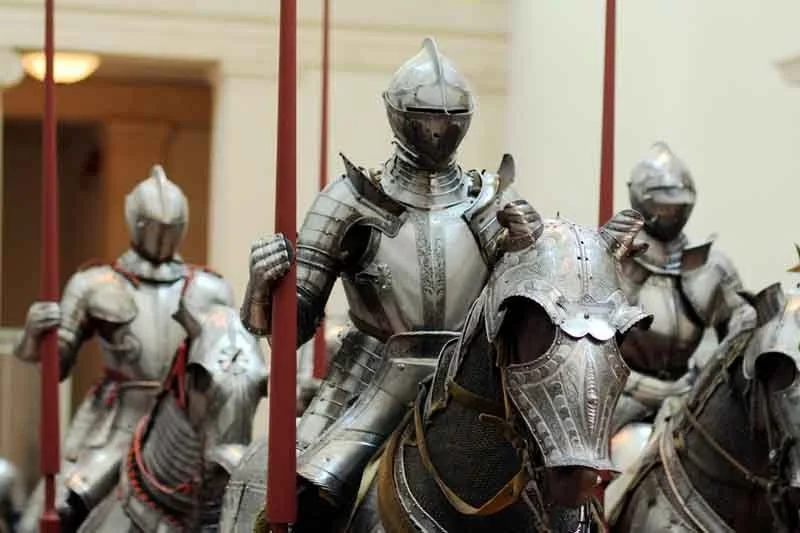
These metal suits were developed hundreds of years ago to protect warriors from swords and arrows, but they eventually became beautiful works of art.
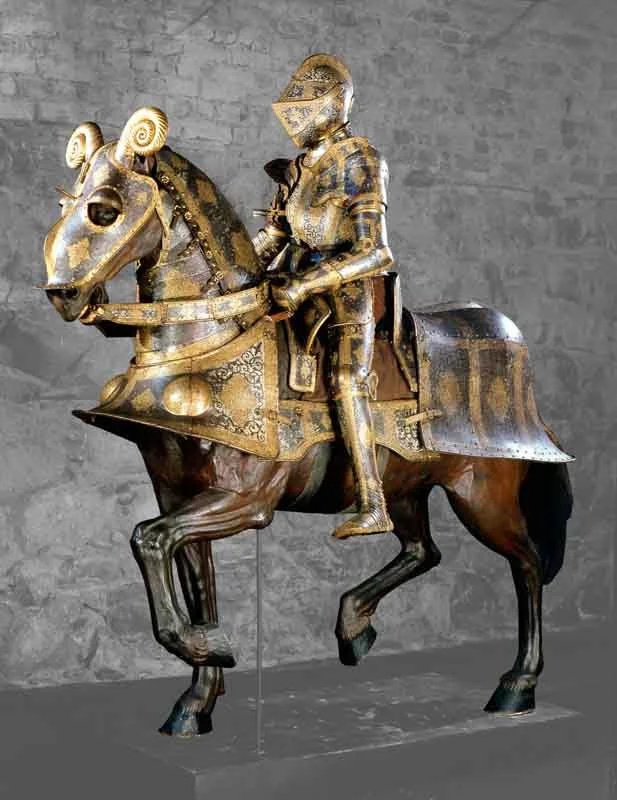
Now, fast forward to the 21st century.
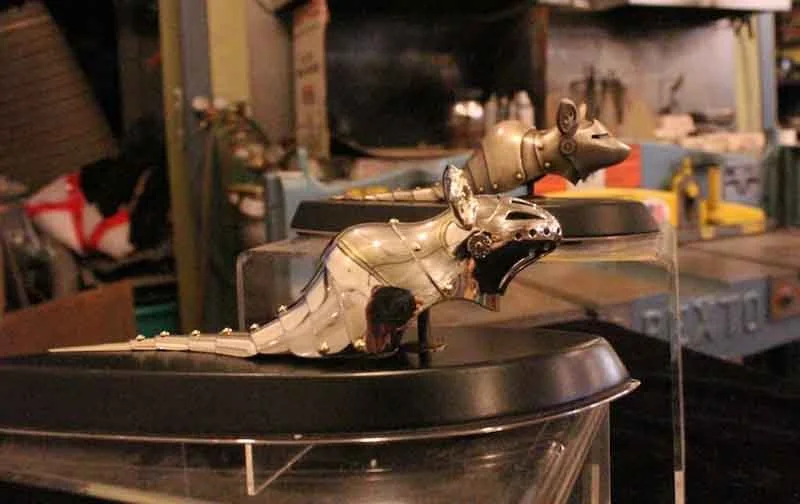
The days of knights and castles are long gone, but one incredible artist is keeping the ancient tradition of armor making alive. However, there is a massive twist to his work.
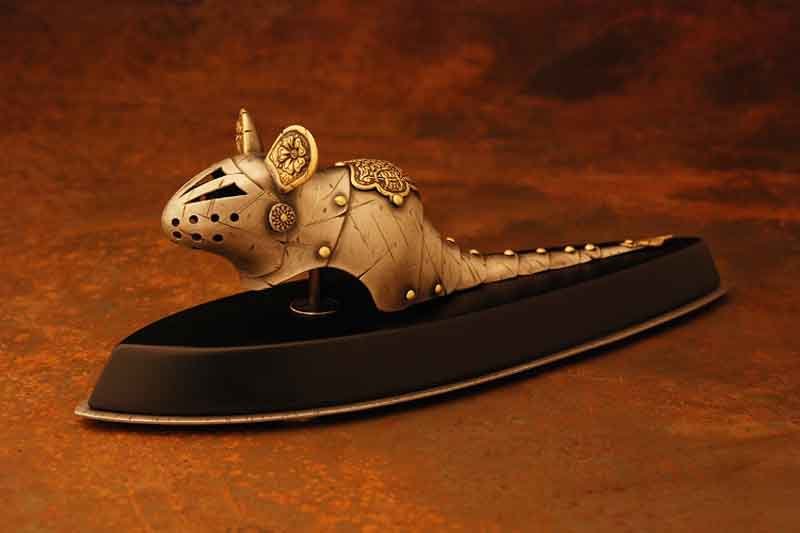
Instead of making armor for people, he is creating suits for mice.
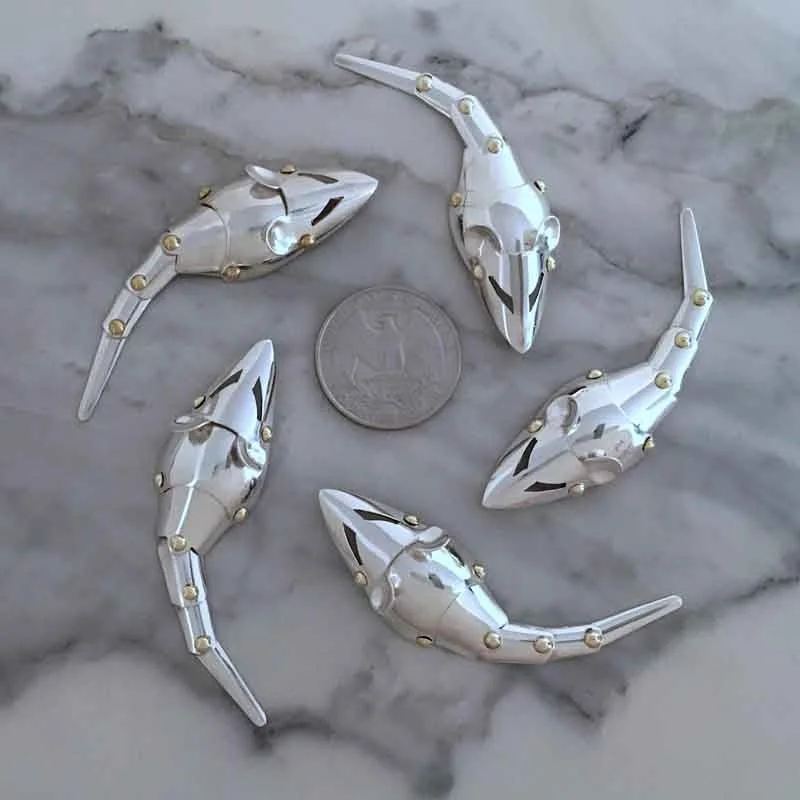
Yes, you read that correctly. We are talking about helmets and breastplates that could fit in the palm of your hand.
A Childhood Fascination
The artist behind these tiny masterpieces is named Jeff de Boer.
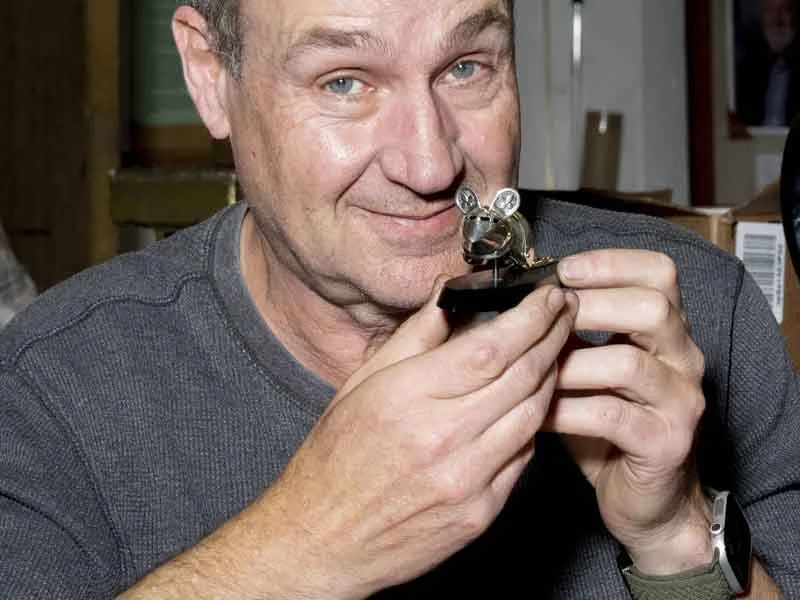
His journey began over forty years ago when he was just a high school student. However, his love for metal and history started even earlier than that.
When he was a young child, he visited a museum in Calgary and saw a suit of armor for the first time. He was immediately captivated.
He says that he has had a lifetime fascination with history, archeology, museums, and armor.
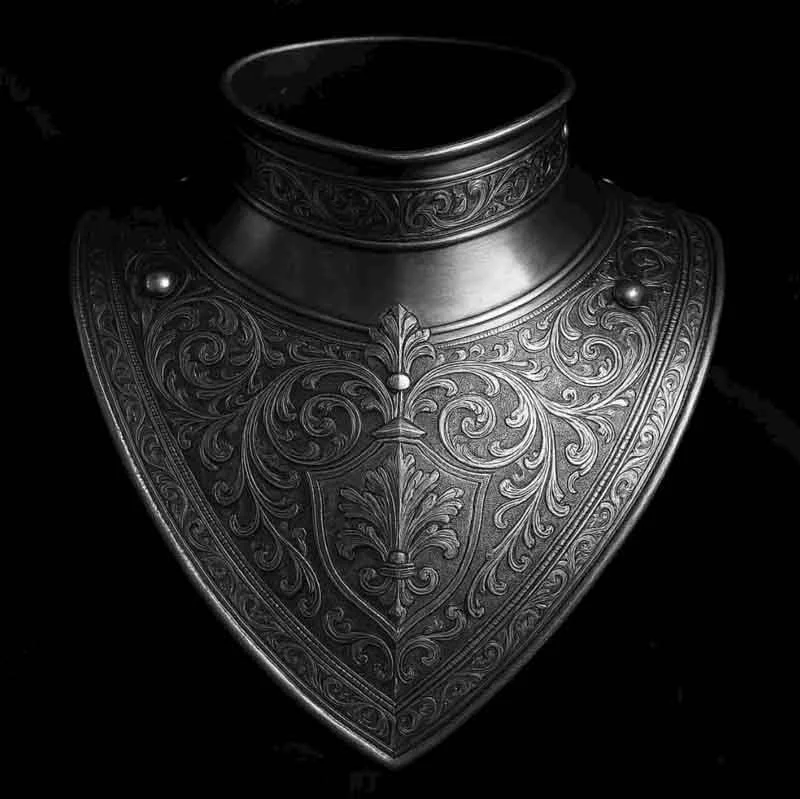
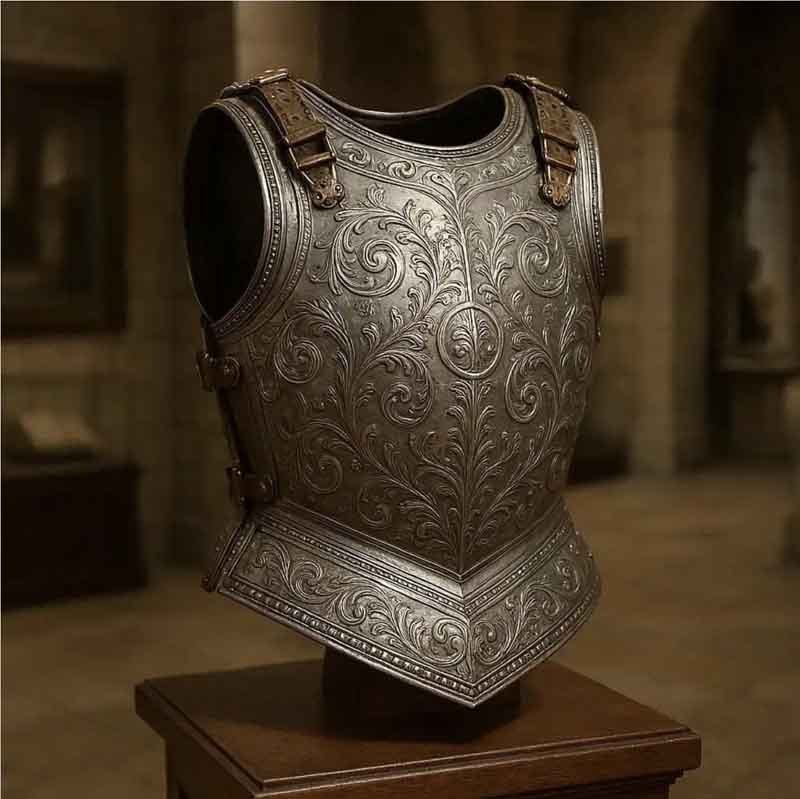
Jeff de Boer did not just look at armor; he grew up learning how to build things with metal.
His father was a fabricator who worked with sheet metal, so young Jeff spent his childhood playing around in his dad's shop.
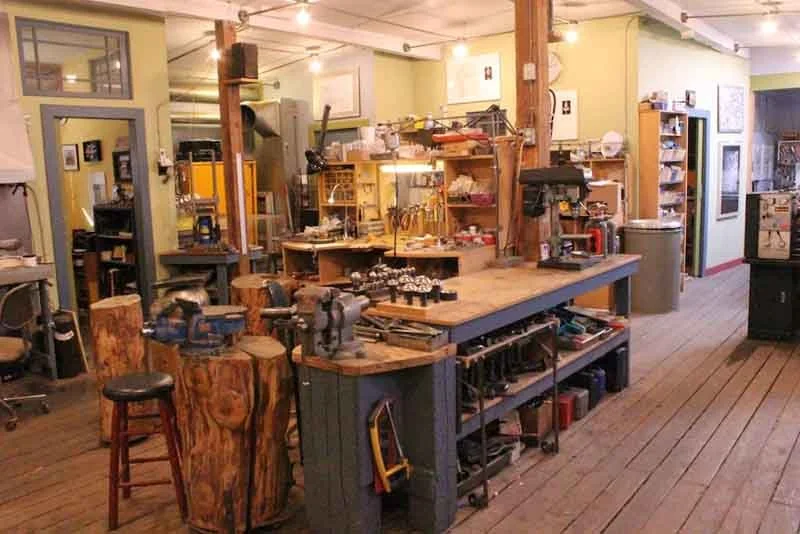
He learned the skills so well that he actually built a few full-sized suits of armor for humans.
The problem was that a human-sized suit took a very long time to build. It took more time than he wanted to spend on a single project.
The Big Idea
Eventually, de Boer went to art school to study jewelry making. This was where everything changed.
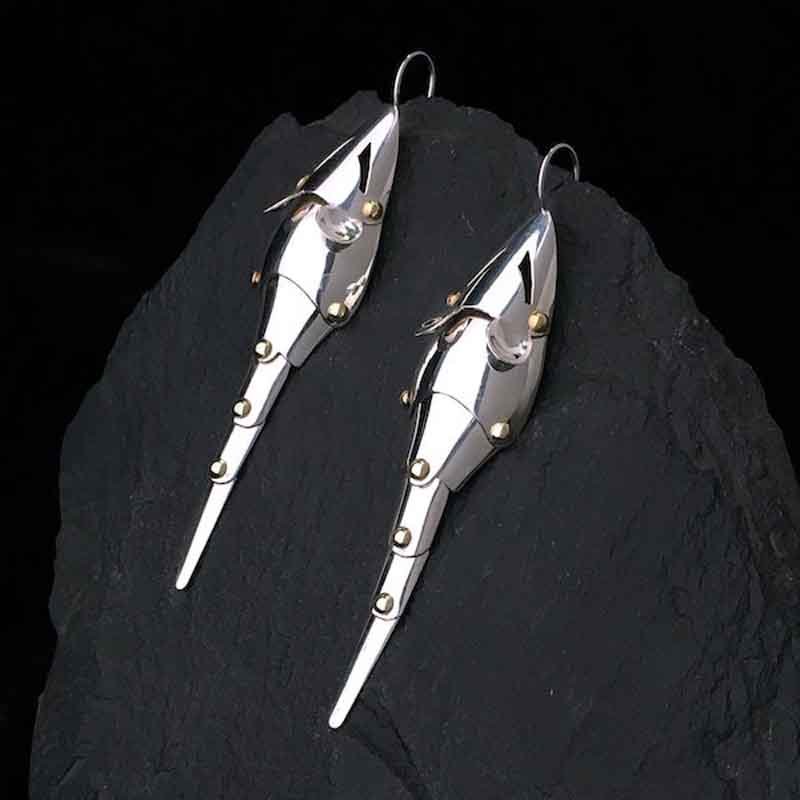
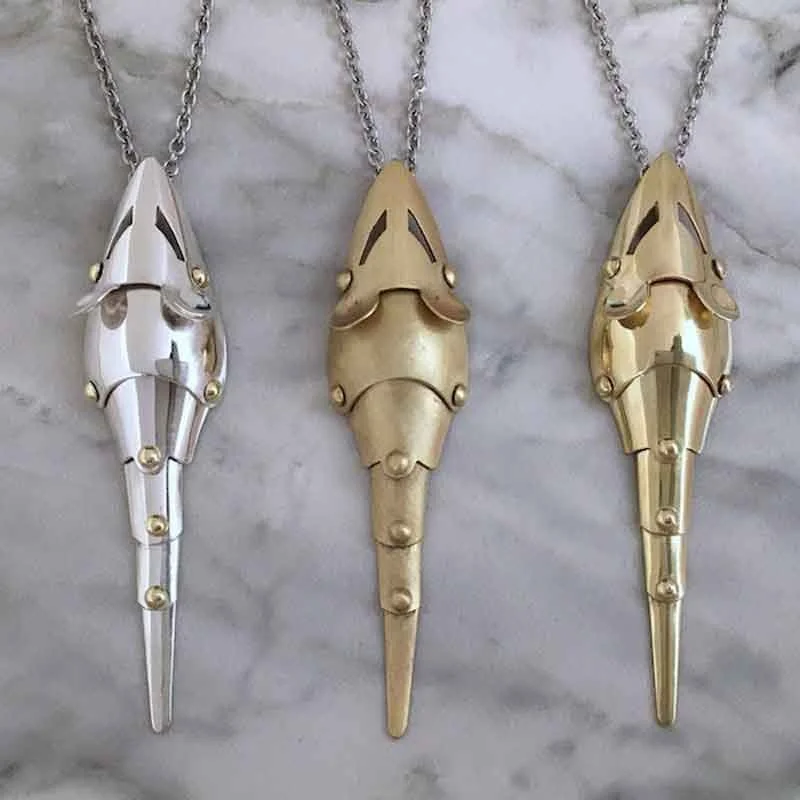
He was sitting in class, working with the minute tools used to make rings and necklaces, when he had a brilliant idea. He realized that if he used these tiny jewelry tools, he could build a complete suit of armor in a much shorter time frame.
But he could not build it for a human. He had to build it for a mouse.
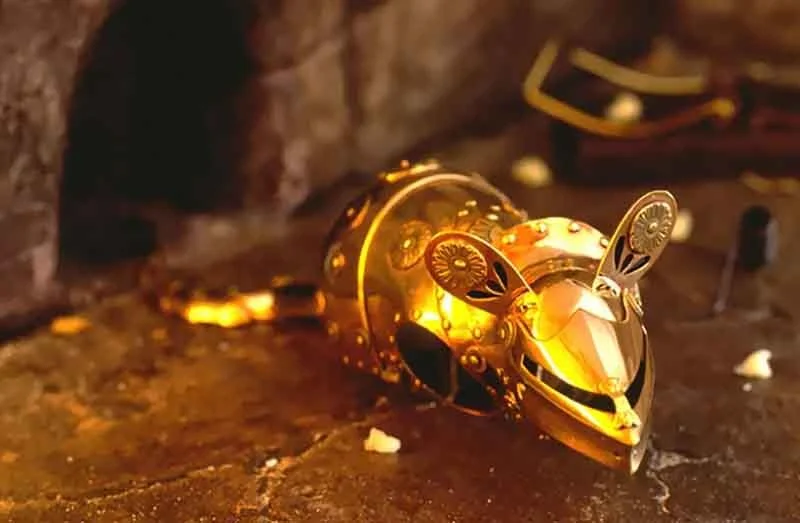
The idea of making a miniature human figure did not feel right to him, but making a life-size suit for a creature like a mouse made perfect sense.
When he finished his first creation, he handed it to his teachers. He remembers that the room went silent.
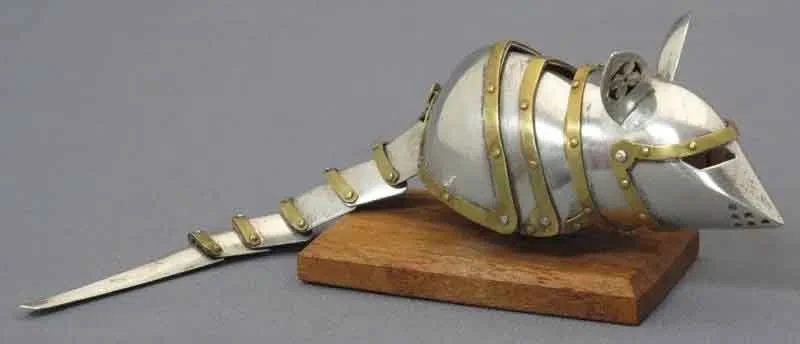
The teachers were amazed and told him that he did not need to worry about making jewelry anymore because he had found something truly special. Their belief in his idea turned out to be correct.
While he was still a student, de Boer took his mouse armor to local art galleries. This led to his first commercial exhibition. That first show led to another, and then another.
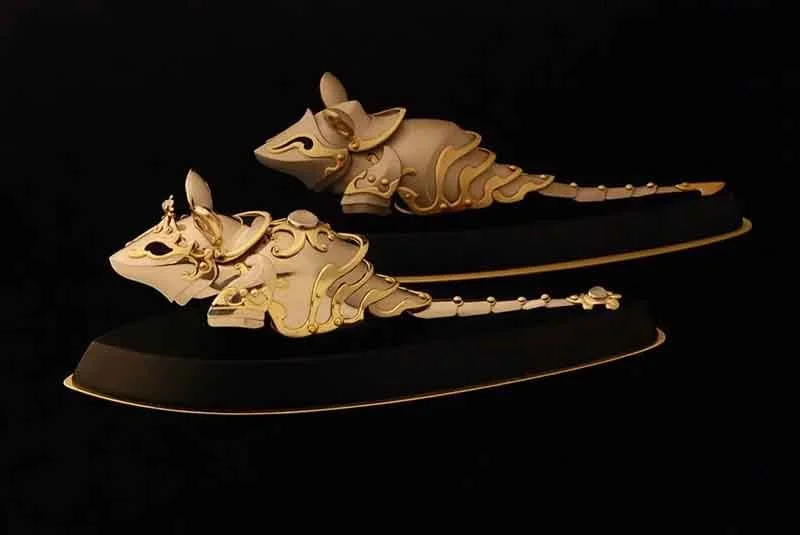
Soon, he had a career selling his work and taking commissions to build special armor for people.
The Underdog & the Exoskeleton
You might be asking yourself the same question many people ask Jeff de Boer on social media. Why?
Why would anyone make armor for a mouse?.
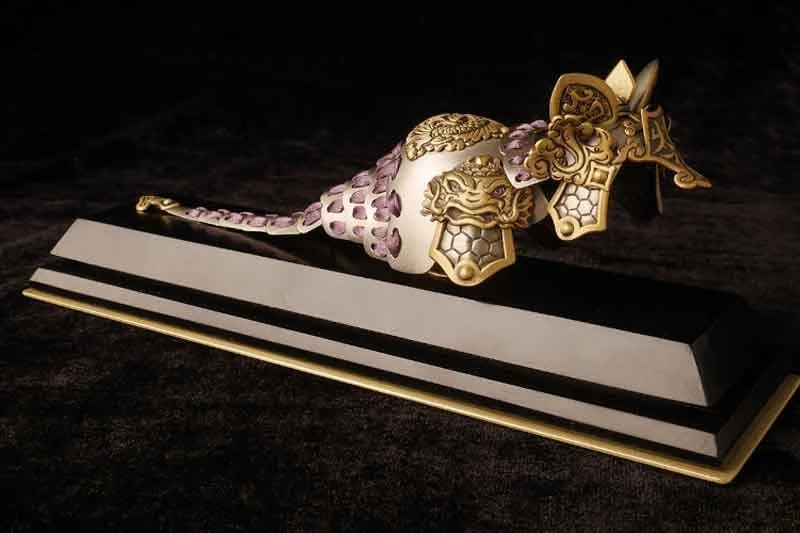
His simple answer is that making mouse armor is just as practical as making a necklace or a pendant. It is art.
But if you dig a little deeper, there is a more meaningful reason.
De Boer is interested in the idea of the "underdog," or the little guy. He thinks about how every creature needs protection to survive in a hostile world. He explains that even tiny amoebas in the ocean evolved tough skins to survive in hot water.
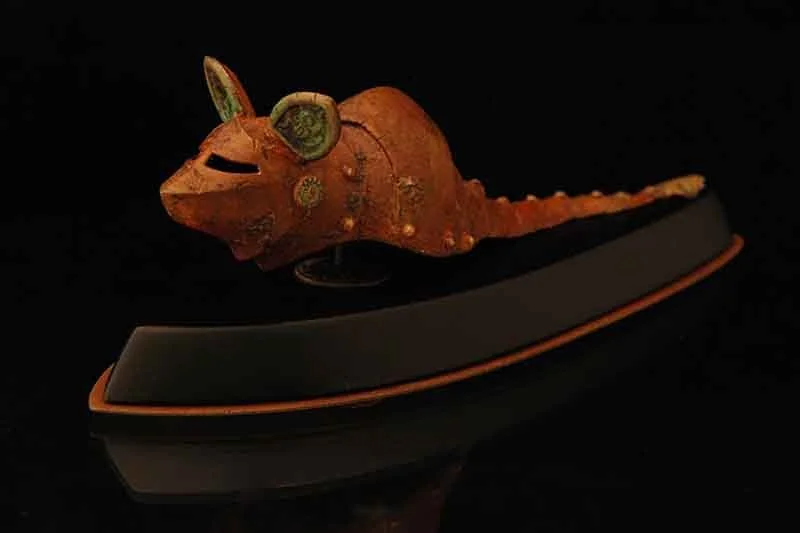
He notes that if you have an exoskeleton, or a hard shell on the outside of your body, you can survive the bite of a monster.
As an artist who makes small things, de Boer often feels like the "little guy" himself, so he identifies with the mouse.
He believes many people feel this way as they navigate through life.
The mouse armor represents a dream we all have. It is the idea that a small, defenseless creature could put on a suit of armor, find an edge, and go out to make a difference in the world.
It makes us wonder what our own personal armor would be and what quest we would go on.
World History in Miniature
One of the coolest things about working on a mouse scale is that de Boer can explore designs from all over the world.
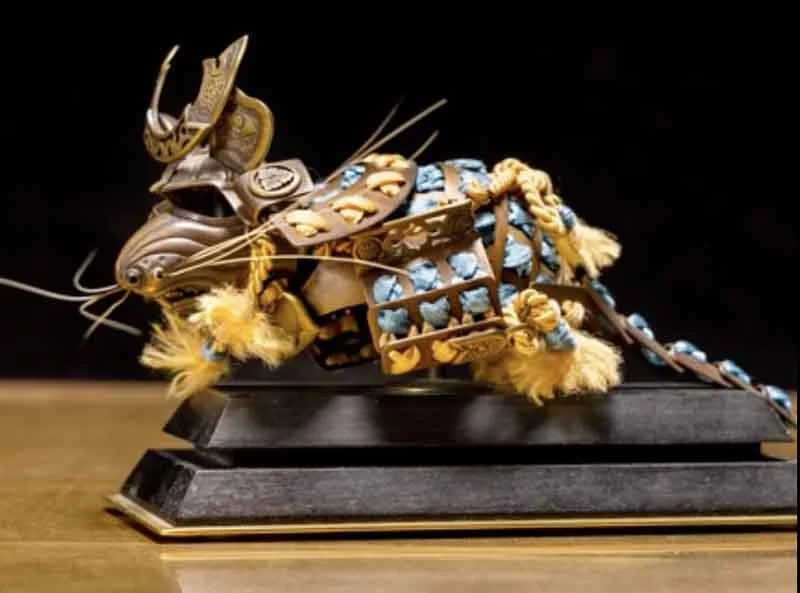
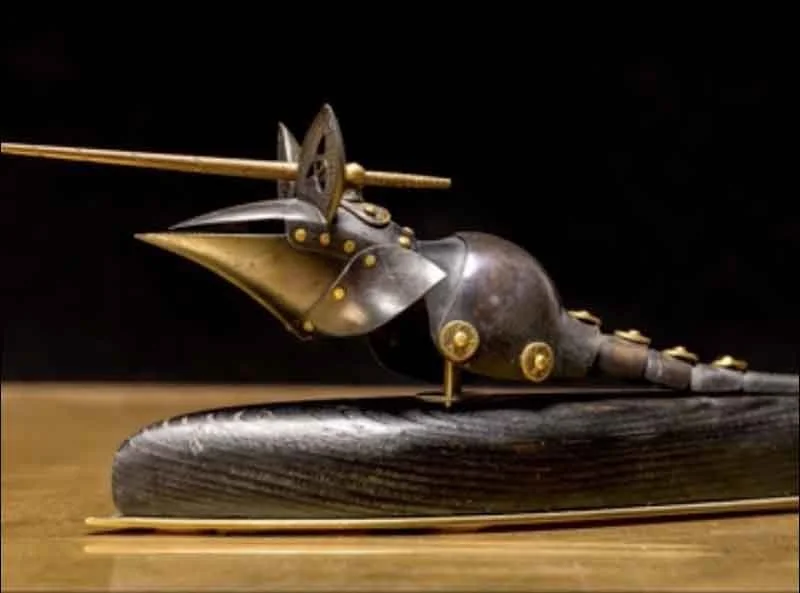
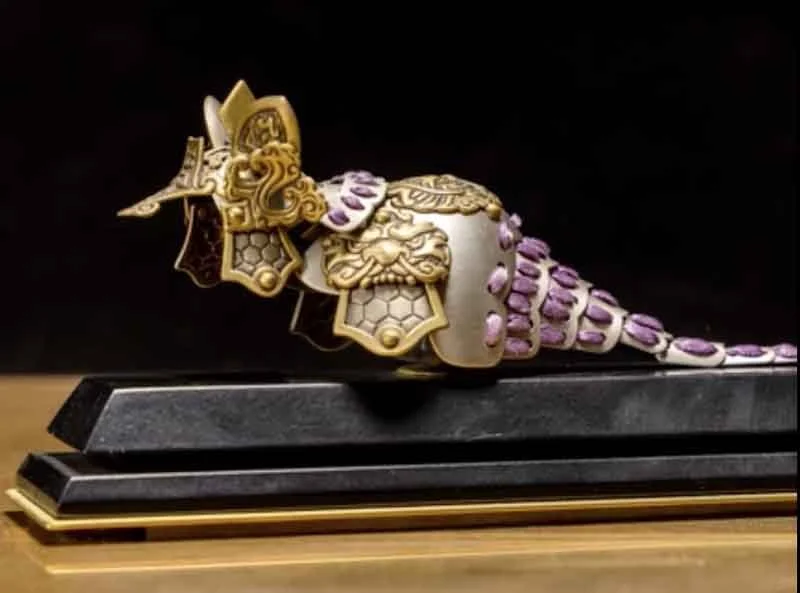
He gets to look at different cultures and modify their history to fit a tiny rodent. His creations are inspired by armor traditions from Scandinavia, India, Japan, and beyond.
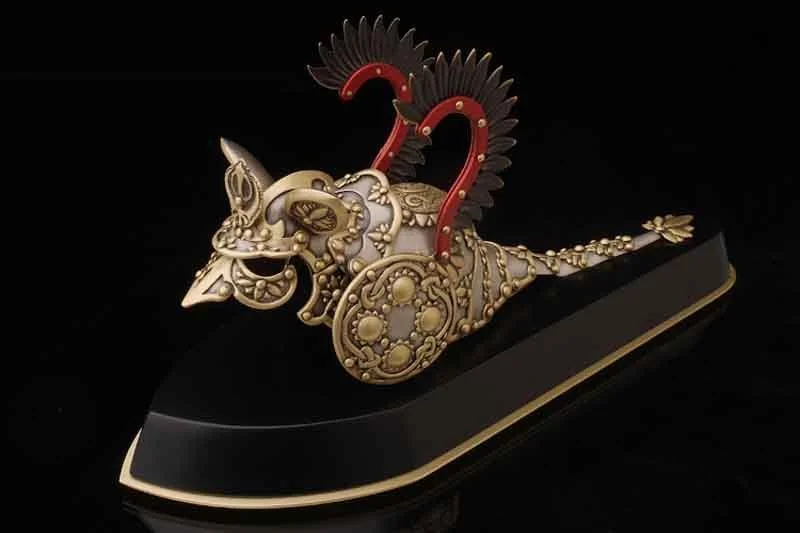
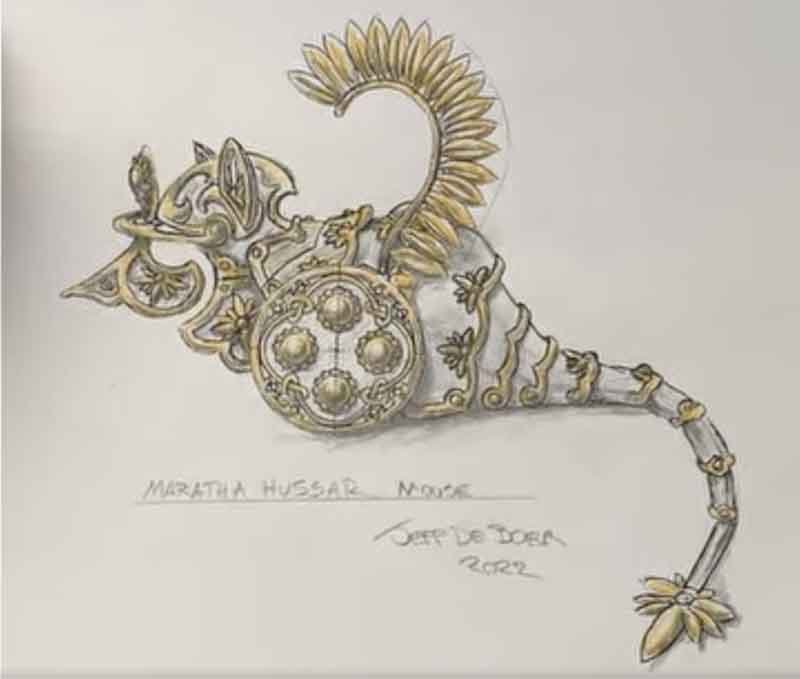
He loves researching historical armor from every time period and culture. Sometimes, a client will ask for a very specific design. For example, he once created a "Maratha Hussar" mouse suit.
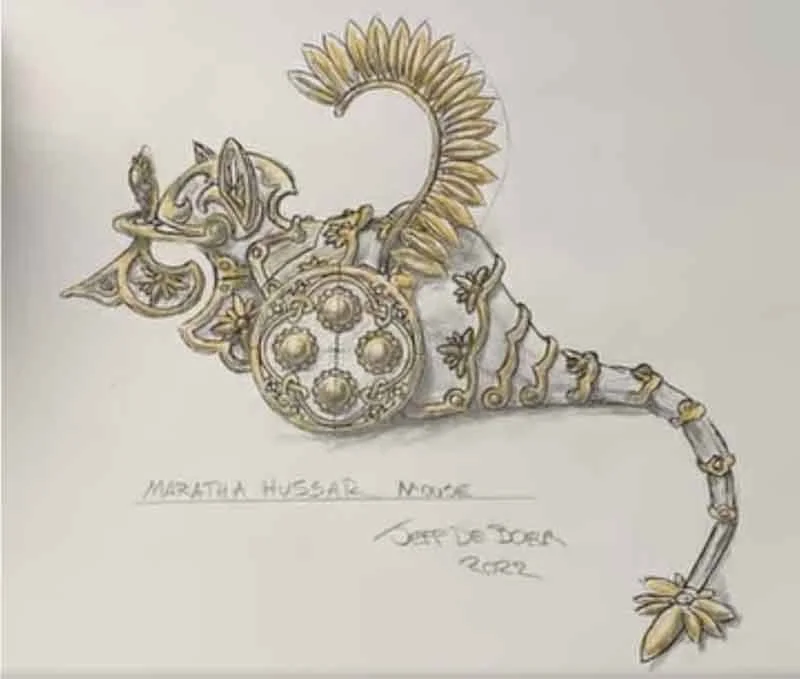
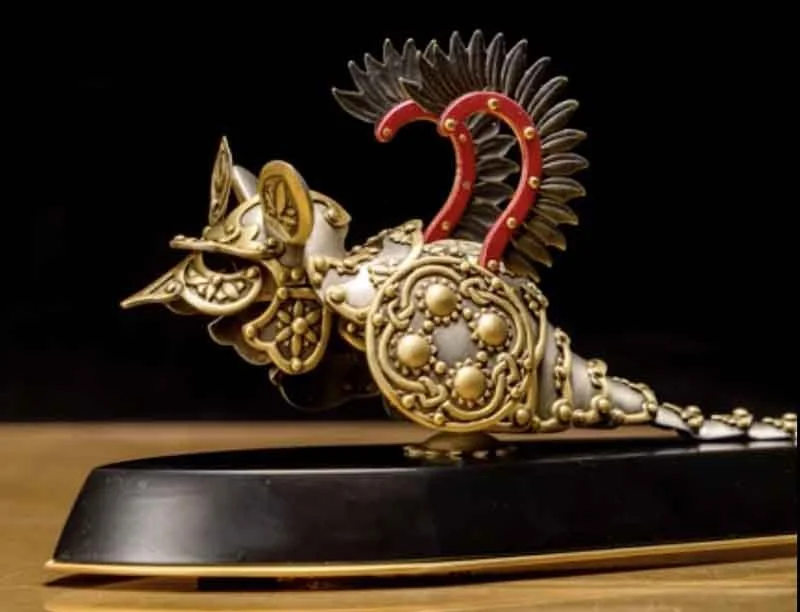
This was a fusion of two different styles: the Maratha Empire from India and the Polish Winged Hussars from Europe.
He made this design for a couple where one person was from India and the other was from Poland. This shows how some of the best ideas come from collaboration between the artist and a patron.
Hard Work & Heavy Metal
Just because the armor is small does not mean it is easy to make. Jeff de Boer spends a huge amount of time on every single piece.
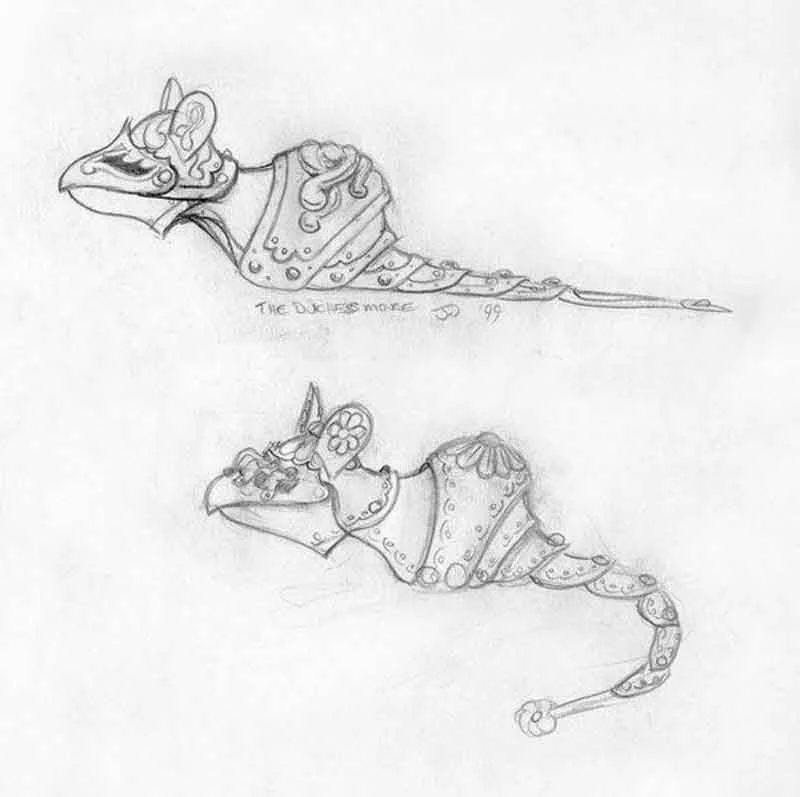
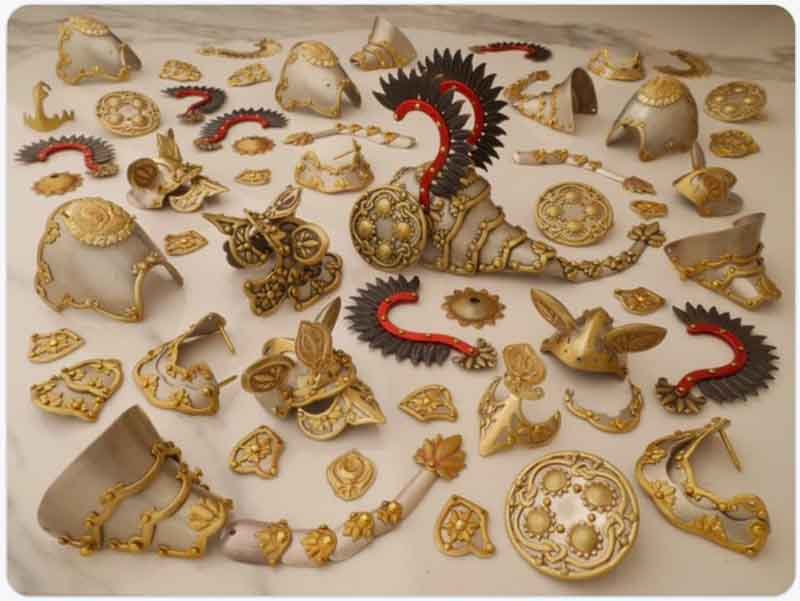
On average, the process of research, design, and tooling takes up to 50 hours before he even picks up a hammer to start building. Once he starts building, making a mouse suit takes another 30 to 50 hours.
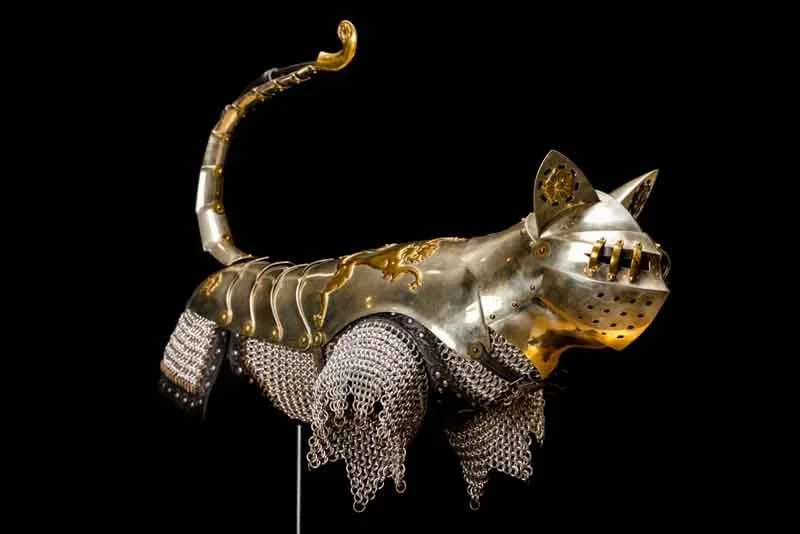
He also makes armor for cats, though no one should ever try to put these metal suits on a real animal.
A suit of armor for a cat is much larger and more detailed. A complex, decorated cat suit can take up to 400 hours to finish.
Lately, de Boer has been working mostly with nickel because it gives a shiny, steely look. He trims the nickel with brass for decoration.
He likes this combination of metals because it is very stable and easy to take care of. He says it will last for thousands of years. He also uses steel, copper, and occasionally silver and gold.
Teaching the Next Generation
Jeff de Boer does not keep his skills a secret.
He teaches classes where students can learn the science of forging and soldering metal. In his classes, students learn everything from creating molds to punching and shaping the metal pieces.
At a recent master class at the Pratt Fine Arts Center in Seattle, he had a very interesting mix of students.
One student was Thiago Vidotto, a video game designer. Thiago wanted to learn how real armor is constructed so he could make his digital video game characters look more believable. He explained that for digital art to look real, it needs to have imperfections. He wanted to learn where to add distress to the armor so it looked like it had been used in battle.
Another student, Laurie Raubacher, signed up because she wanted to improve her metalworking technique. But she also signed up simply because she loved the idea of mouse armor. She appreciates the whimsical nature of the art. She believes it exists just to be enjoyed.
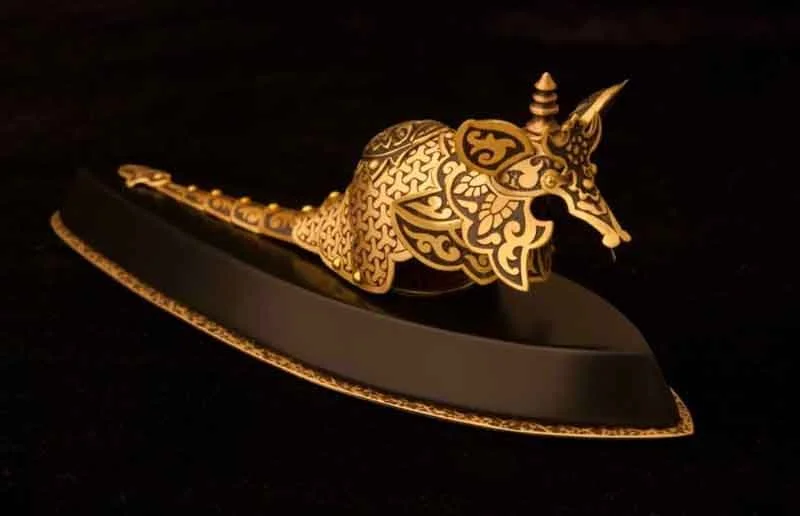
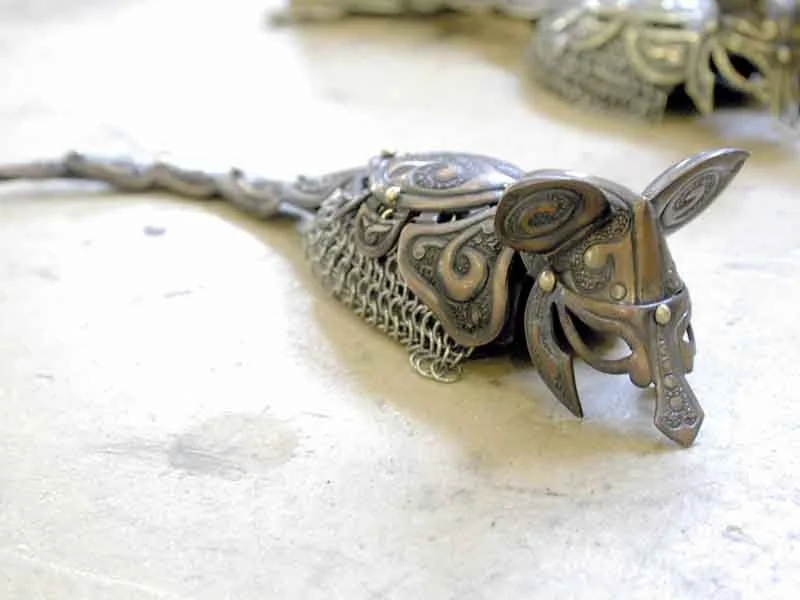
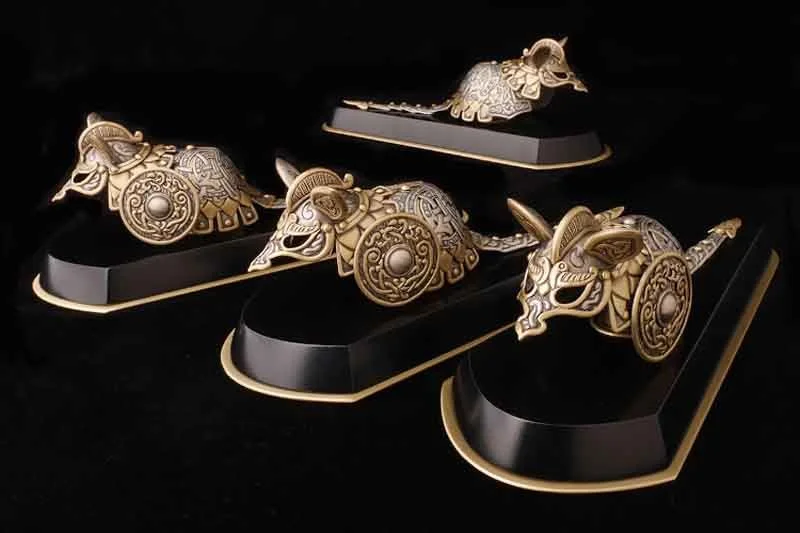
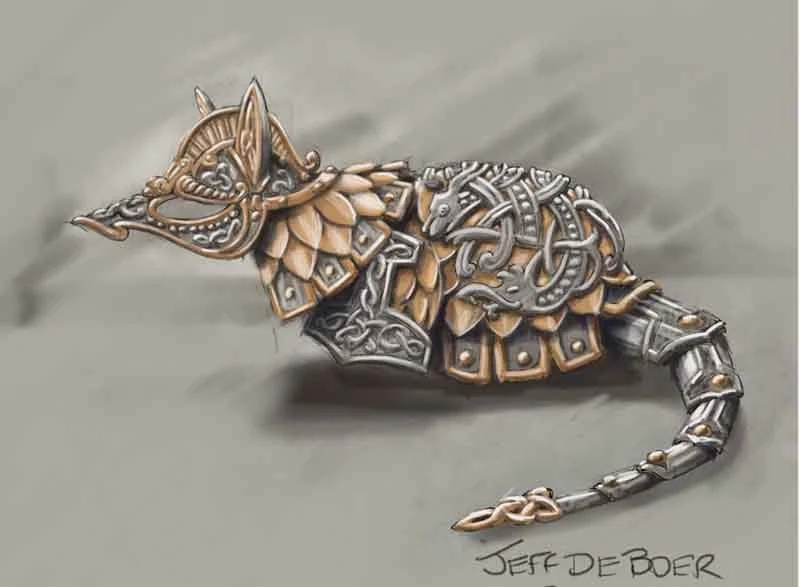
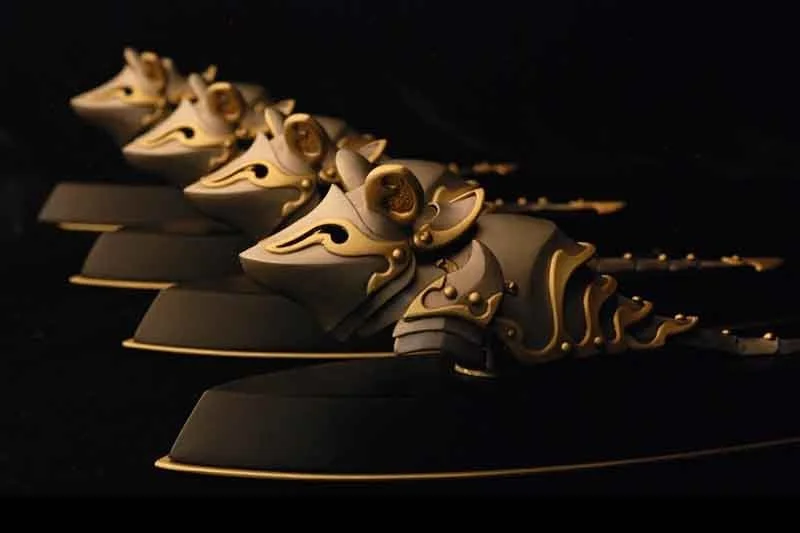
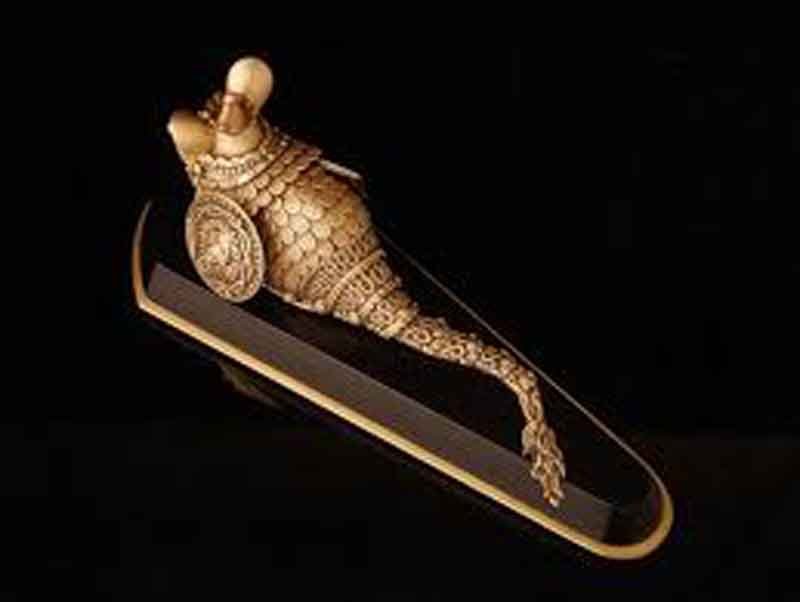
Jeff de Boer hopes that his work brings enjoyment and delight to everyone who sees it. By keeping this ancient art alive, he hopes to inspire people to suit up and slay their own dragons.

Archeology (n.): The scientific study of human history and prehistory through the excavation of sites and the analysis of artifacts.
Collaboration (n.): The action of working with someone to produce or create something.
Commission (n.): A formal request or order for a specific piece of art to be made.
Distress (n.): A scratch, mark, or sign of wear on an object that makes it look older or used.
Exhibition (n.): A public display of works of art or items of interest, held in an art gallery or museum.
Exoskeleton (n.): A rigid external covering for the body in some invertebrate animals, providing both support and protection.
Fabricator (n.): A person or company that constructs products by combining typically diverse parts, especially using metal.
Fascination (n.): The power to draw or attract someone; a strong interest in something.
Fusion (n.): The process or result of joining two or more things together to form a single entity.
Hostile (adj.): Unfriendly; antagonistic; belonging to a military enemy.
Imperfection (n.): A fault, blemish, or undesirable feature that makes something not perfect.
Minute (adj.): Extremely small.
Patron (n.): A person who gives financial or other support to a person, organization, cause, or activity.
Practical (adj.): Likely to succeed or be effective in real circumstances; useful.
Soldering (n.): The process of joining metal parts together by melting a filler metal (solder) into the joint.
Viability (n.): The ability to work successfully.
Whimsical (adj.): Playfully quaint or fanciful, especially in an appealing and amusing way.

► COMPREHENSION QUESTIONS
— please answer with complete sentences
What inspired Jeff de Boer to begin creating armor for mice?
What did Jeff de Boer’s father do for a living?
What was the “problem” creating full-size armor for human being?
When and where did “everything change” for Jeff?
How did Jeff’s teachers respond to his idea to create armor for mice?
Jeff says he makes mouse armor because it is an art, like jewelry making.
He says there’s also a deeper reason he make mouse armor.
What is that deeper reason?
What is the "Maratha Hussar" mouse suit?
What is Jeff doing for the 50 hours before he starts making a new set of mouse armor?
What metals does Jeff work with and why?
Tell about two of the students who are learning from Jeff.
A+ BONUS: Watch the two videos below (they are not long).
Tell about two things that are in the videos that are not in the text above.