
What You Have in Common With a Pigeon
&
Why It’s Causing Problems for You



• Read •
What You Have in Common With a Pigeon
&
Why It’s Causing Problems for You
The Strange Case of the Hungry Birds
More than fifty years ago, some scientists began to watch animals like pigeons and rats very closely.
They noticed something very weird happening that they did not expect. This strange event, or phenomenon, was quite a mystery at first.

The scientists did not know it then, but what they saw would one day explain a big problem we have today.
It explains why so many of us feel like we just cannot put our phones down.
It shows how our apps and games do not actually give us the quick happiness we think they do.
Instead, these devices often make us feel a constant sense of wanting more.
Hungry pigeons
In the 1970s, researchers decided to try an experiment with a group of hungry pigeons.

They put the birds inside a long, simple box. The scientists wanted to see if the pigeons could learn a new trick to get their dinner.
At one end of the box, they put a small light that would flash on and off. At the very other end of the box, they put a place where food would appear.
The rule was simple: when the light flashed, the food would arrive a few seconds later. The light was a signal that a reward was coming soon.
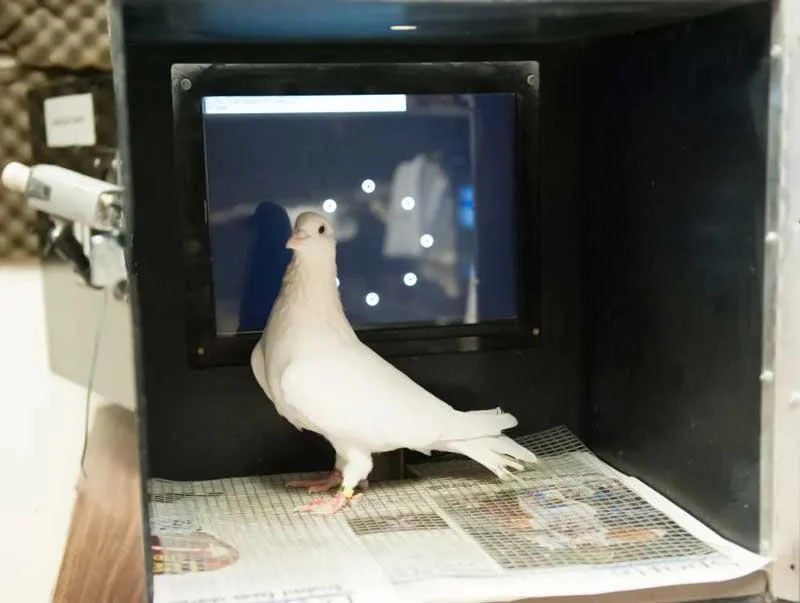
At the start of the study, the pigeons were very smart. They mostly ignored the flashing light. Instead, they stayed right next to the spot where the food appeared.
They were hungry, and they wanted to be ready to eat the moment the seeds arrived. This made perfect sense.
If you knew a pizza was going to be delivered to your front door every time a bell rang, you would probably wait by the door.
You would not go run into the backyard to look at the bell.
The Magnet of the Flashing Light
As the days went by, the pigeons started to act in a bizarre way.
The flashing light began to draw them toward it like a very strong magnet.
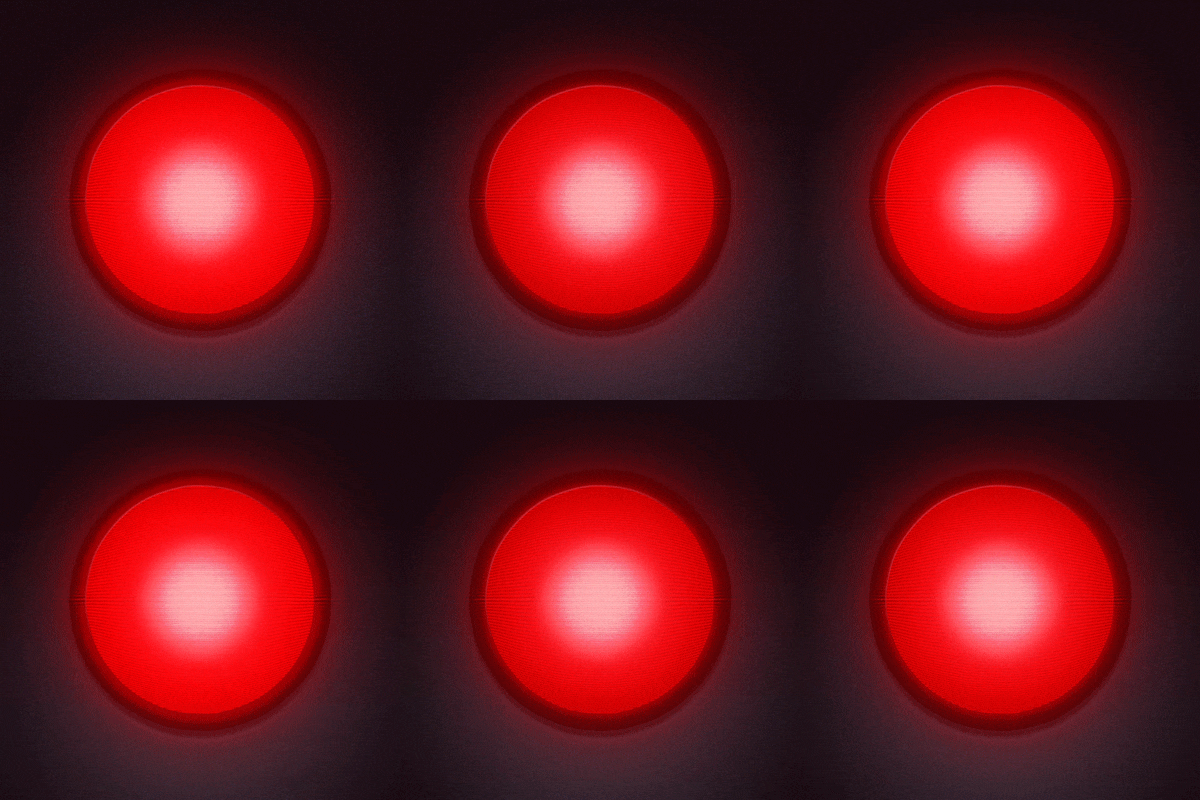
Robert Boakes was a scientist who watched this happen, and he said it was amazing to see.
The birds stopped waiting by the food. Instead, they flew to the other side of the box and began pecking at the light bulb. They pecked and pecked as fast as they could.
These birds were so busy pecking the light that they often missed their chance to eat.
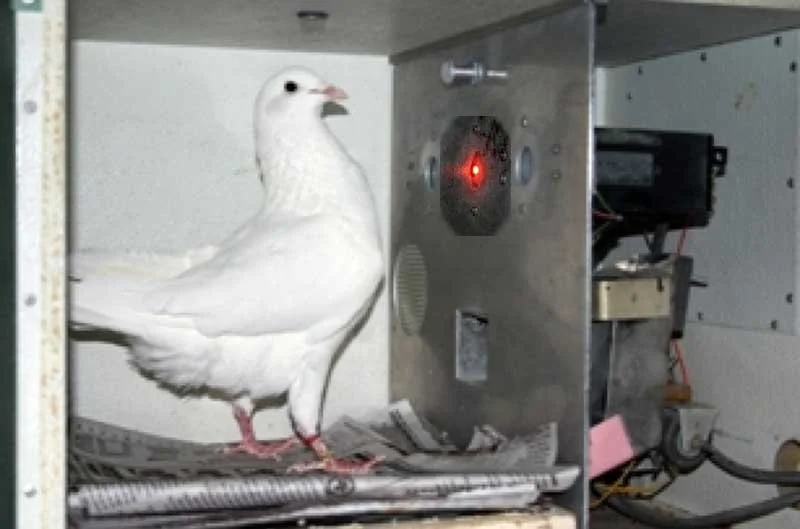
By the time they stopped pecking and turned around, the food was already gone.
The birds were literally going hungry because they could not stop looking at the signal for the food.
Sign Tracking
Mr. Boakes called this behavior sign tracking. This means the animal is chasing the sign of the reward instead of the reward itself.
In one test, a single pigeon pecked at that light thousands of times in just one hour. It seems very silly for a bird to choose a light bulb over a real meal.
However, experts say that most people today are acting exactly like those pigeons.
We carry a tiny device in our pockets that makes us do the same thing.

We swipe, we scroll, and we tap on our screens all day long.

Our smartphones and our favorite video games can trick us into stop looking for what we really need.
Instead of looking for real friendship or fun, we start to become obsessed with the signals on our screens.
These signals are things we associate with a basic human need: the need to belong and be with others.
Why We Can't Stop Swiping
Humans are social creatures, which means we really need to interact with other people.

In fact, wanting to be around friends is just as strong as wanting food or water. This is a fundamental part of being a person.
Our phones and tablets are like a giant cornucopia of sights and sounds that promise us we are being noticed. The colorful icons for our apps and those little red notification dots are just like the flashing light in the pigeon box.
Every time your phone makes a ding, a chirp, or a buzz, it is a signal that someone might be talking to you.
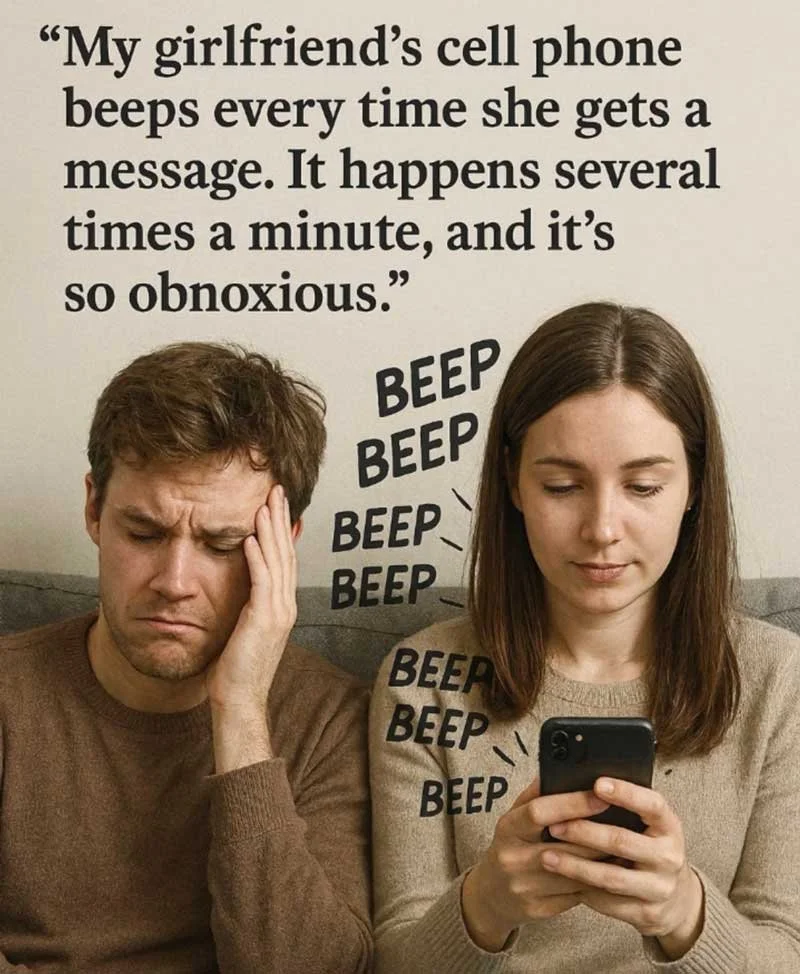
Even just seeing your phone sitting on a desk can be a potent signal that makes you want to reach for it.
Dopamine
Scientists have found that a special chemical in our brain called dopamine is what draws us to these signals.
For a long time, people thought dopamine was the "happy chemical" that made us feel pleasure. But now, we know that is not quite right.
Dopamine is about motivation and wanting.
It is the chemical that makes you want to grab a piece of cake when you see it.

But dopamine does not actually make you like the cake or feel full after you eat it.
Wanting something and liking something are two different things in your brain.
This is why you might spend an hour scrolling through videos on your phone even if you aren't really having fun.
Your brain is stuck in a loop of wanting the next signal, but it never feels satisfied or happy afterward.
Real Life Versus the Screen
One big problem is that the things we see on our phones are often just a "skeletal" version of real life.
This means it is like a thin, empty outline of a real friendship.
Seeing a picture of a friend or getting a "like" on a photo is a signal of belonging, but it is not the same as actually being with that friend.
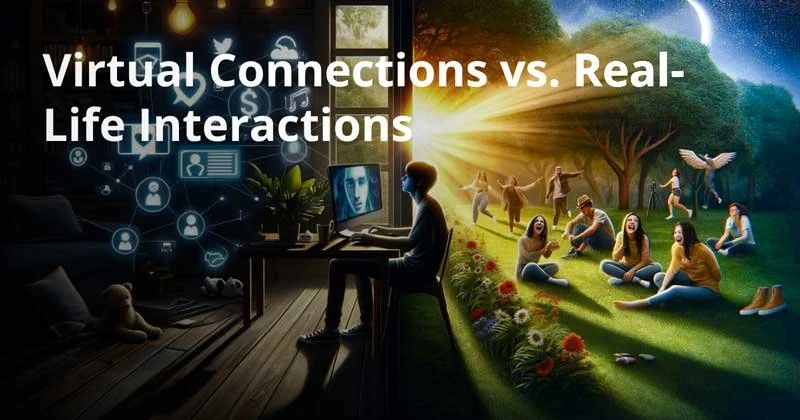
If we spend all our time pecking at our phones, we might squeeze out our real social lives. We are so busy with the signals that we forget to go out and get the "food" of real-world relationships.
To fix this, we have to find ways to protect ourselves and our friends.

We need to create times and places where phones and games are not just put away, but are totally unavailable.
We all need a sanctuary in our lives.
This is a safe place where we can focus on activities that truly fulfill us and help us grow. When we aren't distracted by buzzing pockets, we can finally spend time doing things that make us feel good for a long time.
A SCIENTIST FATHER’S RULE
One scientist has a very helpful rule for his own teenagers. He tells them they can only use their phones in places where the whole family likes to congregate, like the kitchen.
He never lets them take their phones upstairs into their bedrooms.

He teaches his kids that sitting alone in a room taking selfies can hinder them from making real friends. It can make a person feel lonely and sad instead of happy.
By stepping away from the screen, we can go out and meet real people in the real world. We can find the real satisfaction we have been looking for all along.

Associate (v.): to connect one thing with another in your mind.
Bizarre (adj.): very strange or unusual.
Compelling (adj.): something that is so strong or interesting that it makes you pay attention.
Component (n.): one part that makes up a larger whole thing.
Congregate (v.): to gather together in a large group or crowd.
Cornucopia (n.): a huge supply or a large amount of many different things.
Document (v.): to record or write down facts about something that happened.
Dopamine (n.): a chemical in the brain that helps create feelings of wanting and motivation.
Elicit (v.): to cause a reaction or a specific behavior to happen.
Flourish (v.): to grow well or become very successful.
Fundamental (adj.): a basic or very important part of something.
Gratification (n.): the feeling of pleasure you get when you get something you wanted.
Hinder (v.): to make it difficult for someone to do something or to get in the way.
Interaction (n.): the act of talking to or doing things with other people.
Motivation (n.): the reason or the "spark" that makes you want to do something.
Notification (n.): a sound or a message on a screen that tells you something new has happened.
Obsessed (adj.): thinking about one thing all the time in a way that is too much.
Phenomenon (n.): an interesting event or fact that can be seen or studied.
Potent (adj.): having a very strong effect or a lot of power.
Sanctuary (n.): a peaceful and safe place where you are protected from distractions.

► COMPREHENSION QUESTIONS
— please answer with complete sentences
Scientists put pigeons in a box.
What two things were in the box?
At the beginning of the study, how did the pigeons behave?
“As the days went by, the pigeons started to act in a bizarre way.”
What did they start to do?
What is “sign tracking"?
What do people do on their screens all day long?
What basic human needs are noted in the article?
Why do people think screens can meet their basic needs?
Explain why smartphones do — or do not — meet basic human needs.
Scientists used to think dopamine is the “happy chemical.”
What do they now think?
What is a "skeletal" version of real life?
(Hint: “skeletal” is like “skeleton” — bones, but no muscles, organs, skin)
ABCD (Above & Beyond the Call of Duty) — the only way to get to 50/50 (A+); you may need the points if you’ve dropped points above
Look at the “Symptoms of Cell Phone Addiction” below.
Which two symptoms will you watch out for in yourself?
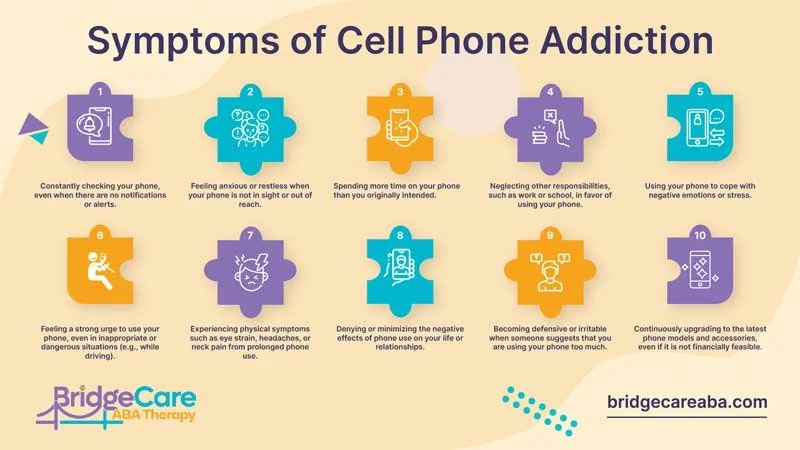
Constantly checking your phone, even when there are no notifications or alerts.
Feeling anxious or restless when your phone is not in sight or out of reach.
Spending more time on your phone than you originally intended.
Neglecting other responsibilities, such as work or school, in favor of using your phone.
Using your phone to cope with negative emotions or stress.
Feeling a strong urge to use your phone, even in inappropriate or dangerous situations (e.g., while driving).
Experiencing physical symptoms such as eye strain, headaches, or neck pain from prolonged phone use.
Denying or minimizing the negative effects of phone use on your life or relationships.
Becoming defensive or irritable when someone suggests that you are using your phone too much.
Continuously upgrading to the latest phone models and accessories, even if it is not financially feasible.