◼︎ Las Uvas / pages 12-22
Abuelita, Esperanza’s grandmother, is a complex character (see page 13).
Describe her character as best you can.
Proverb: No hay roas sin espinas. There is no rose without thorns.
What might this proverb mean?
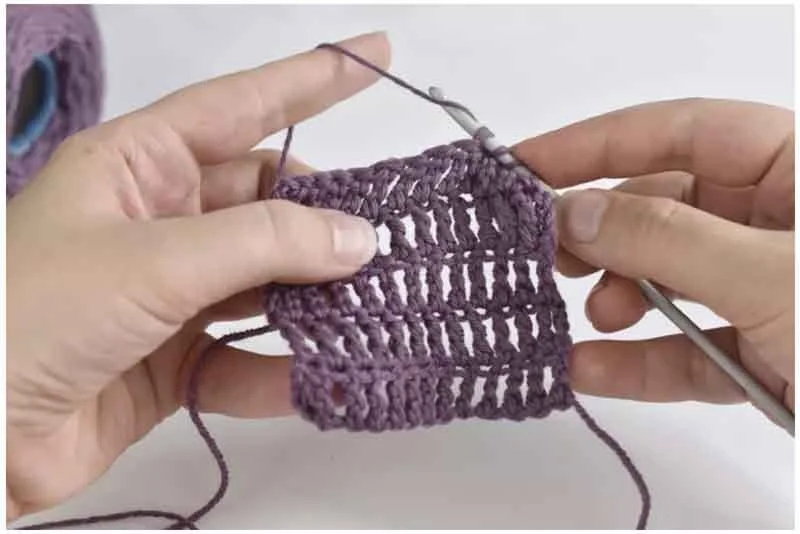
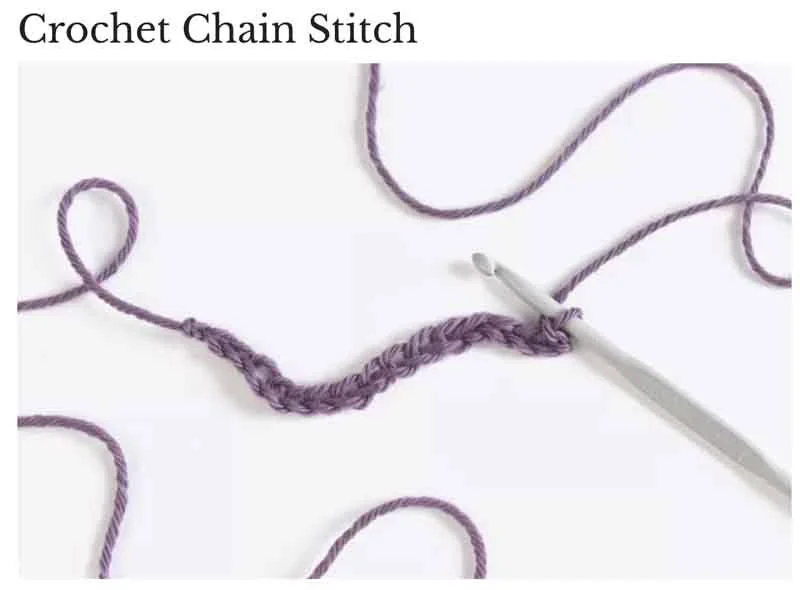
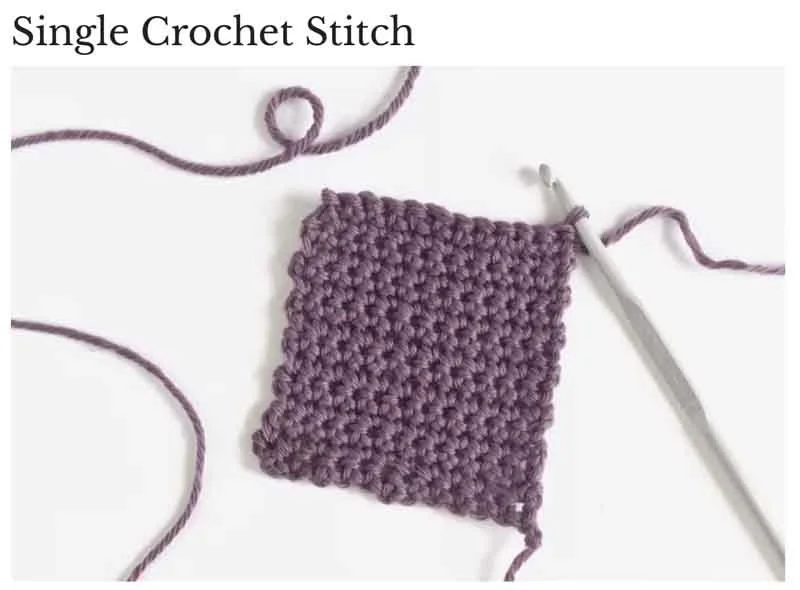
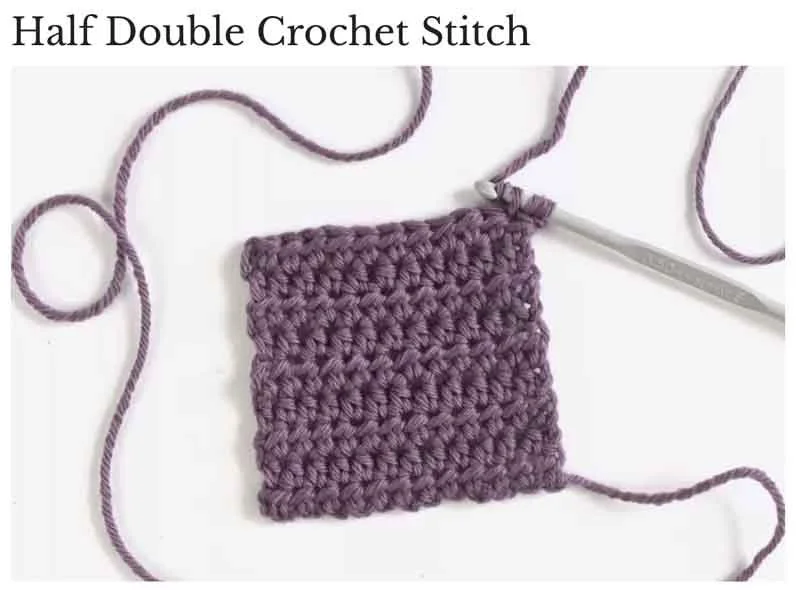
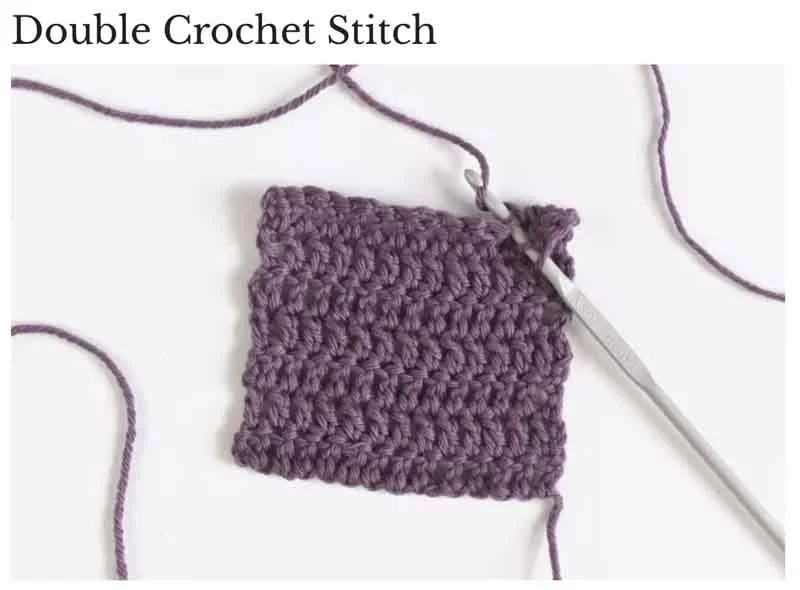
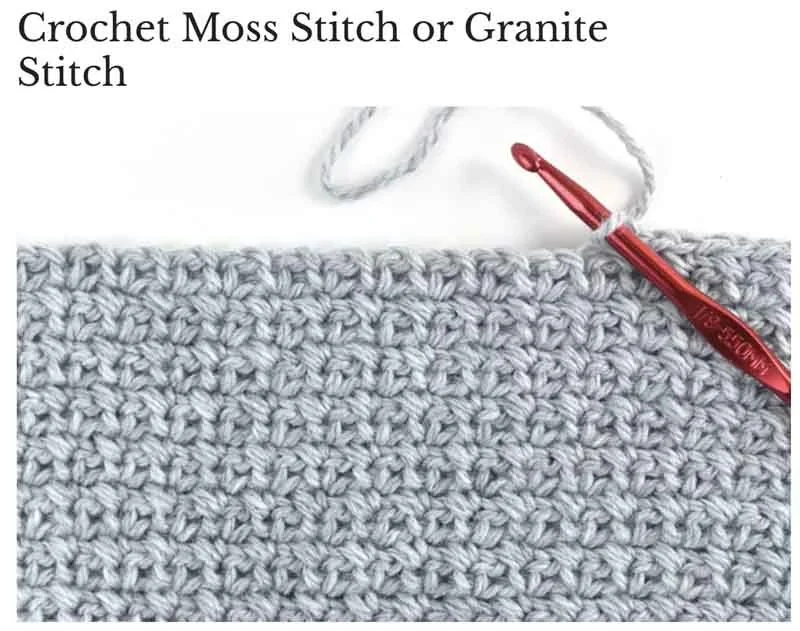
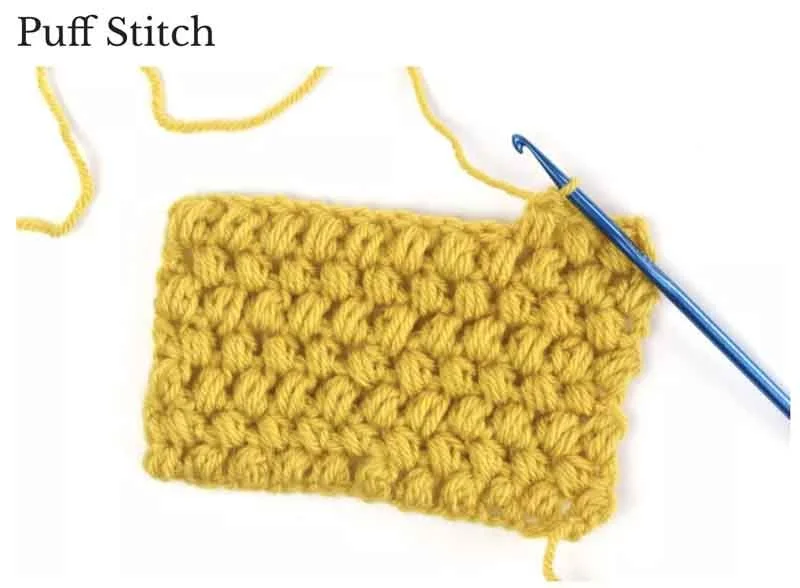
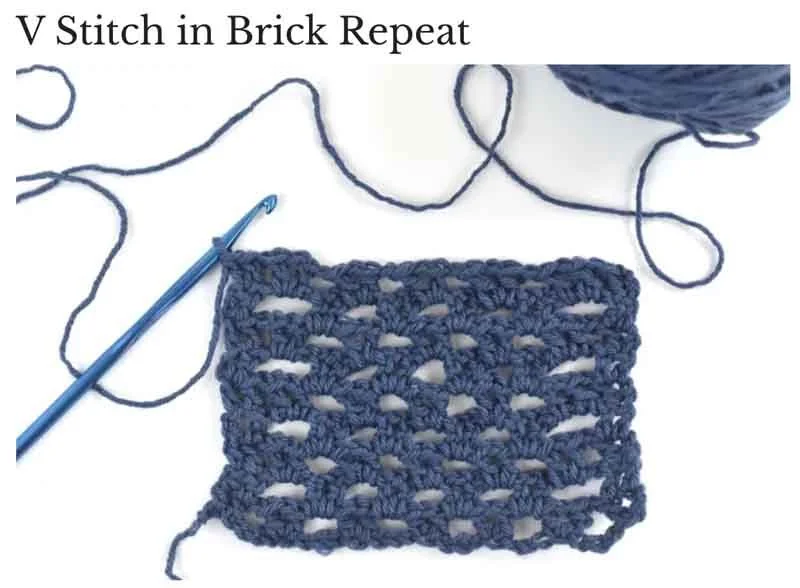
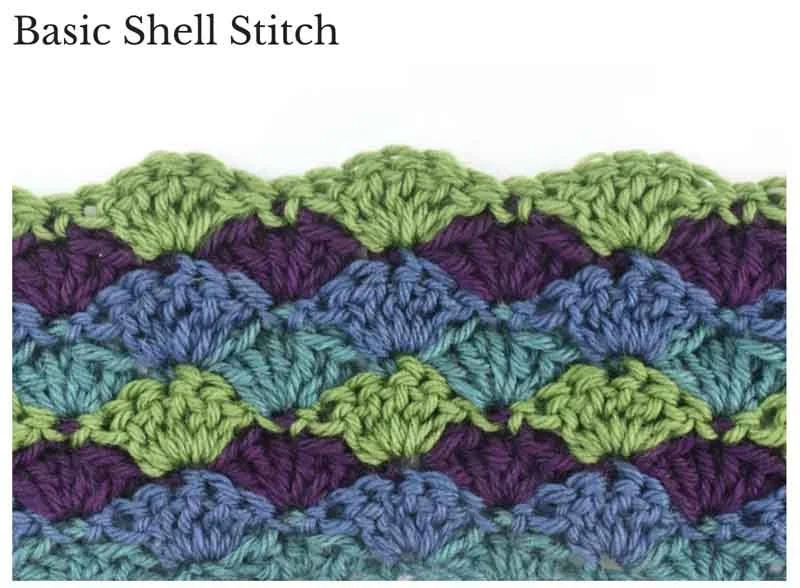
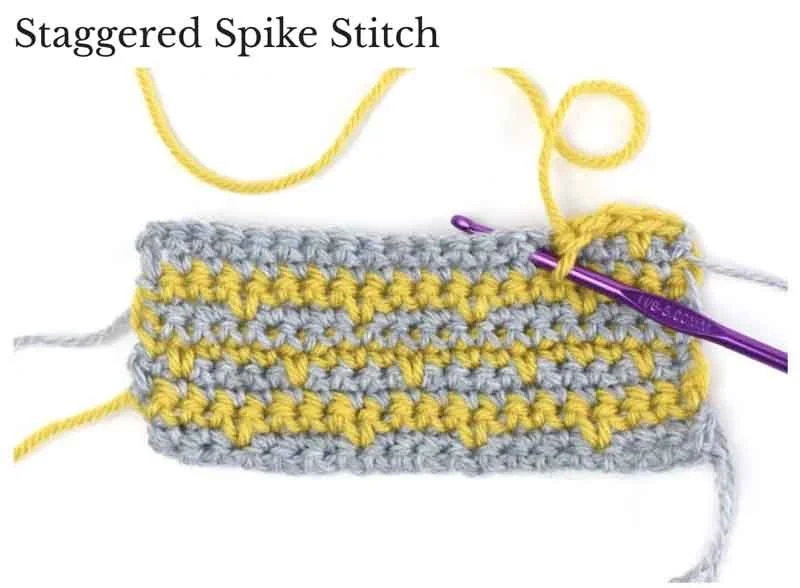
Abuelita is teaching Esperanza to crochet.
Look at the photos of crocheting below.
Describe crocheting as best you can.
Why is Abuelita crocheting? (page 13)
How does Abuelita put love and good wishes in the blanket?
What do we learn about Alfonso, Hortensia’s husband?
When Esperanza was young, she said she said, “I am going to marry Miguel!”
Her mother thens said, “You will feel differently as you get older.”
Explain what Mama means by this.
Who are Tio Luis and Tio Marco?
Tio Luis and Tio Marco never married.
What is Papa’s explanation for this?
Why does Mama faint and Esperanza fall to her knees, sinking “into a dark hole of despair and disbelief”?
ABCD (Above & Beyond the Call of Duty) — the only way to get to 50/50 (A+); you may need the points if you’ve dropped points above
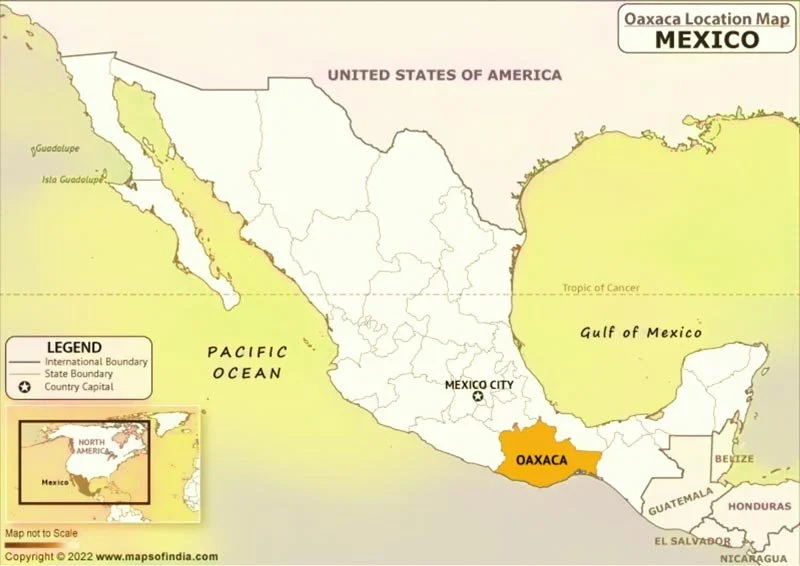
Hortensia is a Zapotec Indian from Oaxaca.
Look at the information below about the Zapotec civilization.
Is the Zapotec civilization like any other civilizations you have studied this year?
Explain.
CROCHET






ZAPOTEC CIVILIZATION
The Zapotec civilization — "The People that came from the clouds" (700 BC–1521 AD) is an indigenous pre-Columbian civilization that flourished in the Valley of Oaxaca in Mesoamerica.
Archaeological evidence shows that their culture originated at least 2,500 years ago.
The Zapotec archaeological site at the ancient city of Monte Albán has monumental buildings, ball courts, tombs and grave goods, including finely worked gold jewelry.
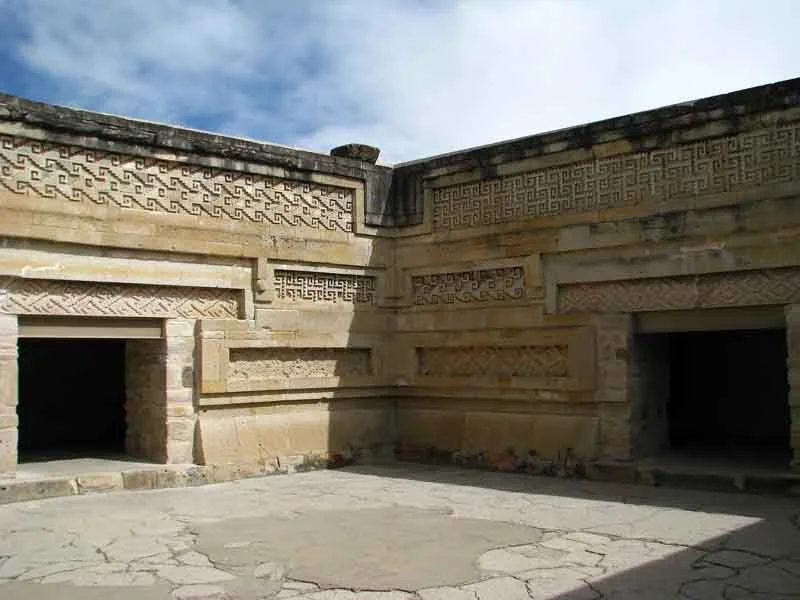
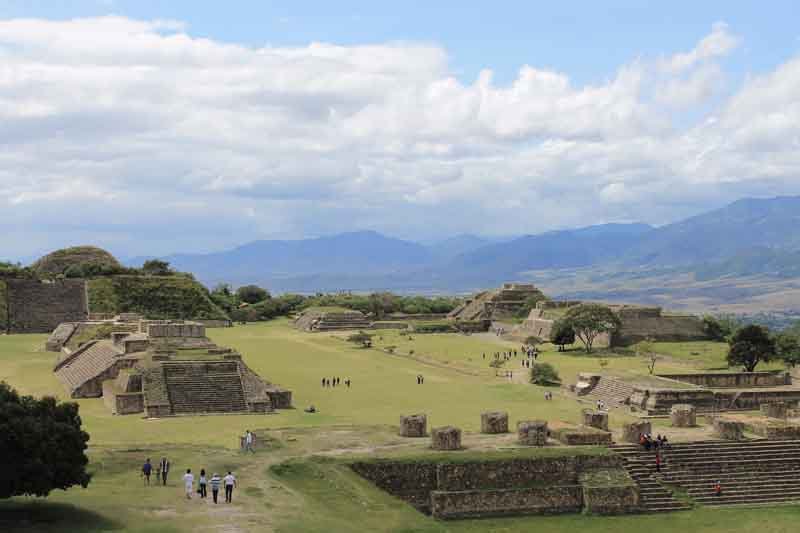
Monte Albán was one of the first major cities in Mesoamerica.
It was the center of a Zapotec state that dominated much of the territory which today is known as the Mexican state of Oaxaca.
Dr. Kirtland Peterson Cat Peterson Dr. Cat