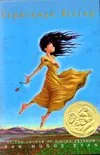
◼︎ Las Cebollas / pages 100 - 120
Look at the photographs of workers’ housing below. Describe what you see. Write at least three sentences. (They can be short.)
At the very bottom of page 101, Mama and Esperanza walk into a cabin. Describe what they see. Note at least three things.
Esperanza has “never been so miserable in all her life.” On page 104, Mama explains to Esperanza that they are lucky. Explain how they are lucky, even though Esperanza does not agree.
On their first full day in camp, what will Alfanso, Juan, Hortensia, Josefina, Mama, Isabel and Esperanza be doing? Hint: Yes, they’re all “working.” Pease provide details!
Where is Miguel?
Mama’s hair is tied into a single long braid. How has Esperanza seen her mother’s hair before? (Note more than one way.)
In her new “home,” Esperanza sees chinaberry and mulberry trees. Look at the photos below. Compare and contrast chinaberries and mulberries.
Isabel, eight years old, is shocked that Esperanza, thirteen years old, doesn’t know how to wash clothes. Later, a group of women laugh at Esperanza for not knowing how to sweep. Explain.
Miguel says to Esperansa, “At your service mi reina.” Go to translate.google.com. Choose to translate from Spanish to English. What does mi reina mean in English?
At the very end of this chapter we see an important change in Esperanza. What might this be?
ABCD (Above & Beyond the Call of Duty) — the only way to get to 50/50 (A+); you may need the points if you’ve dropped points above
Miguel says “they” will only hire Mexicans to lay tracks and dig ditches.
“They” won’t hire Mexicans as mechanics, even if Mexicans can “fix any engine.”
How do you make sense of this?
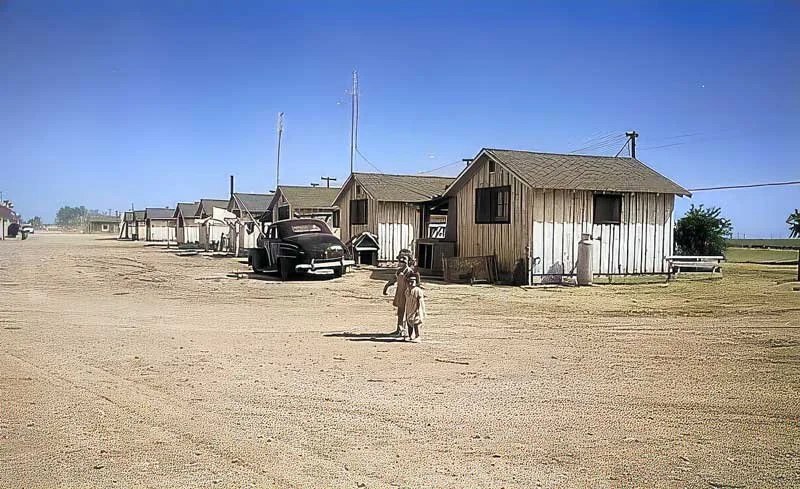
• California: Workers’ houses, circa 1930. Original black & white photo colorized.
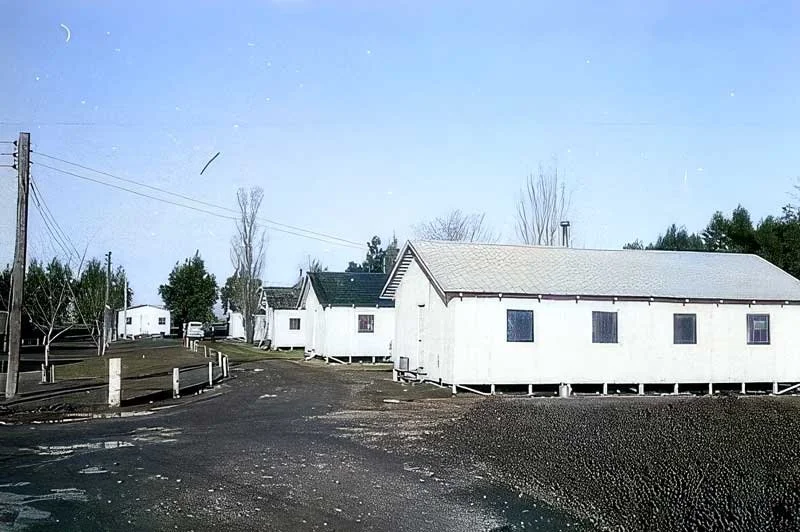
• California: Workers’ houses, circa 1930. Original black & white photo colorized.
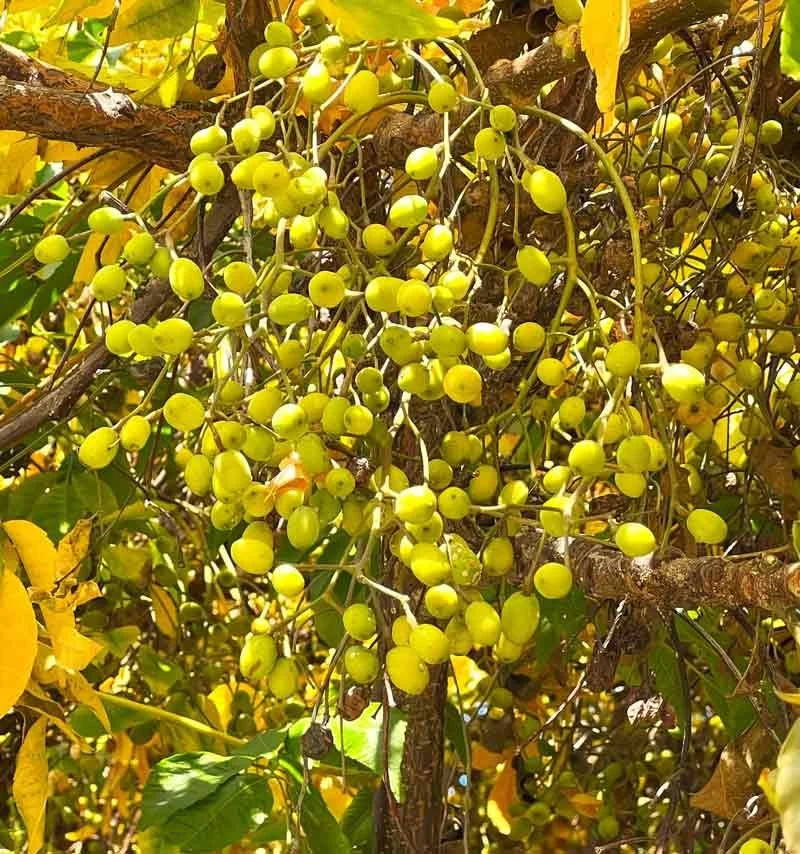
• Chinaberries
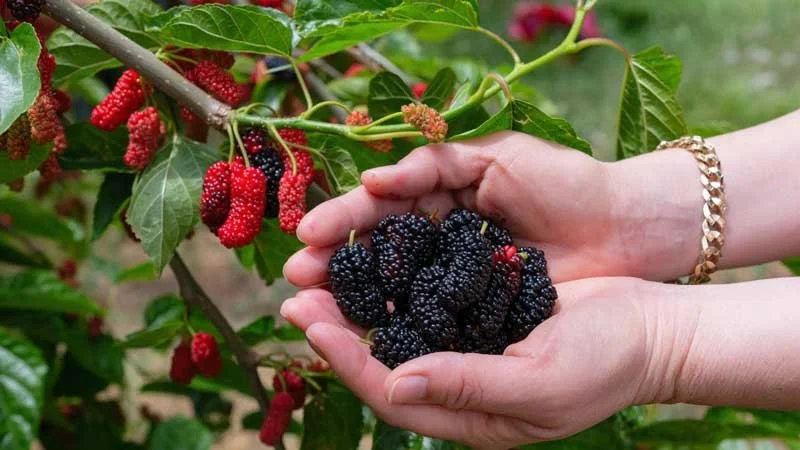
• Mulberries
Dr. Kirtland Peterson Cat Peterson Dr. Cat