
The Mystery of the Giant Kelp Forest


• Read •
The Mystery of the Giant Kelp Forest
An Impossible Discovery
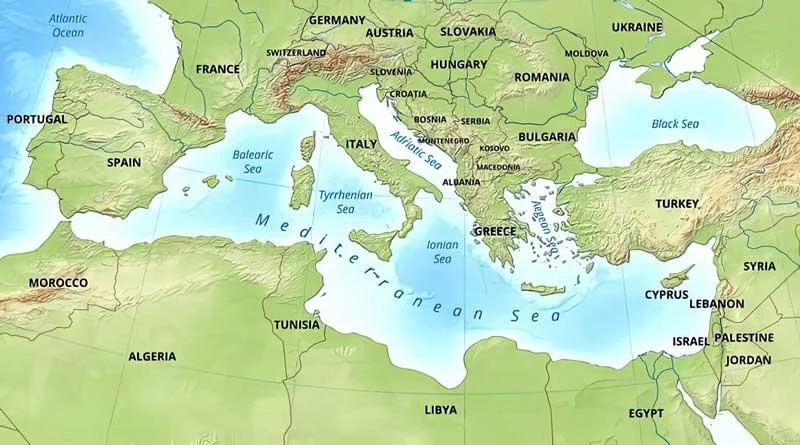
In the mid-20th century, the first scuba technology allowed deep-sea divers in the Mediterranean Sea to reach previously impossible depths.
After descending into the mesophotic zone—an ocean region spanning 30 to 150 meters deep—these aquanauts made a remarkable discovery.

DEFINITION
Mesophotic (adj.) – Relating to the middle ocean depth zone that receives only a small amount of sunlight.
Aquanaut (n.) – An underwater explorer or diver who swims or lives beneath the surface of the sea.
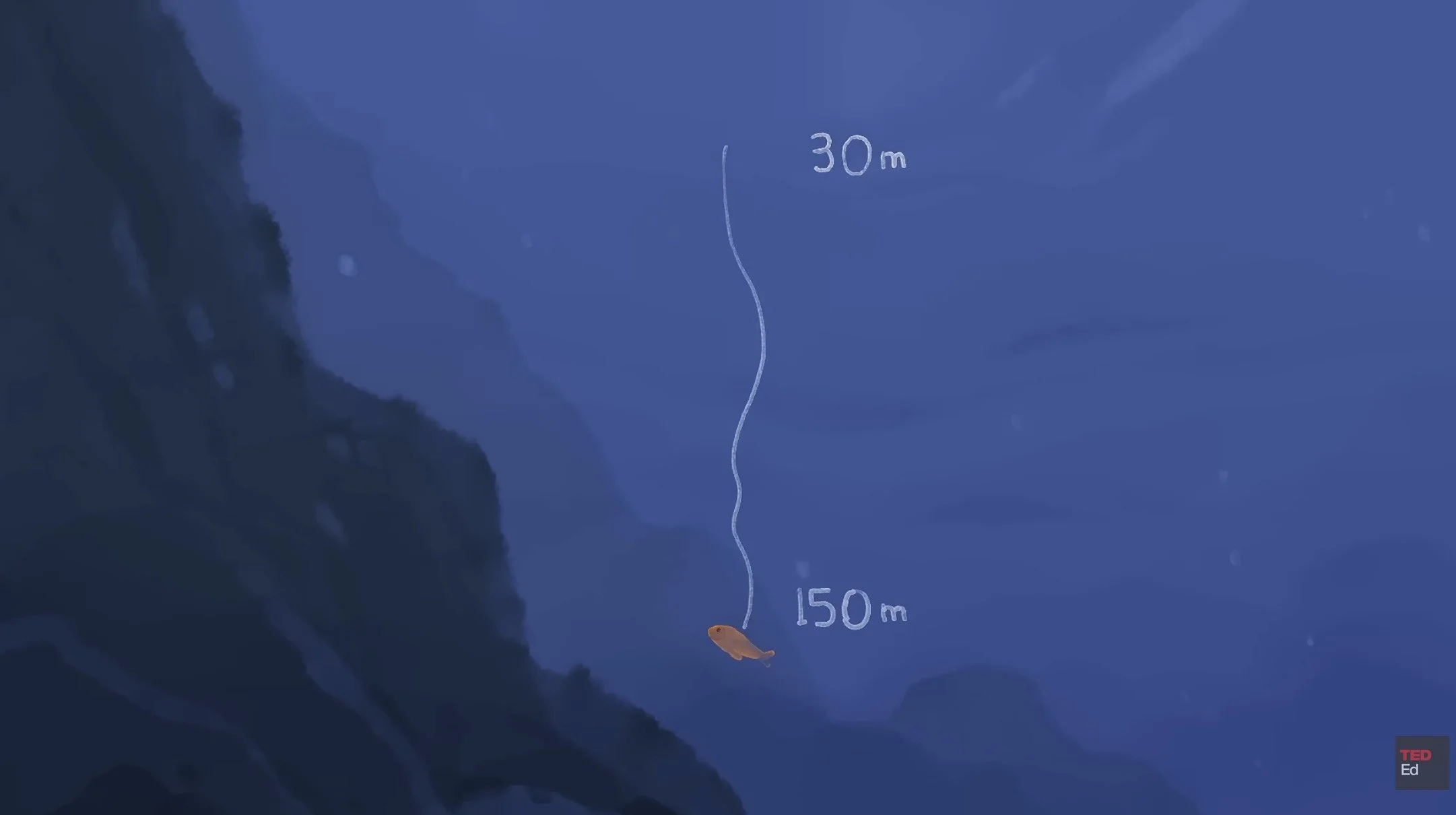
Up to 90 meters below the surface, where sometimes only 0.1% of surface sunlight can reach, they found a forest of huge kelp over twice the size of a giraffe.
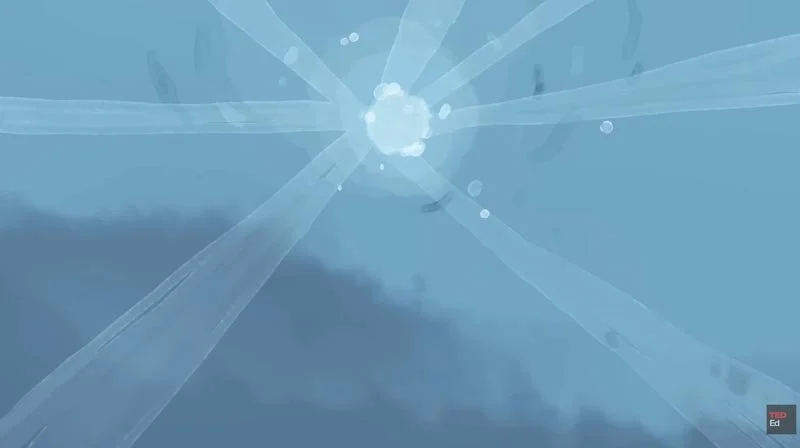
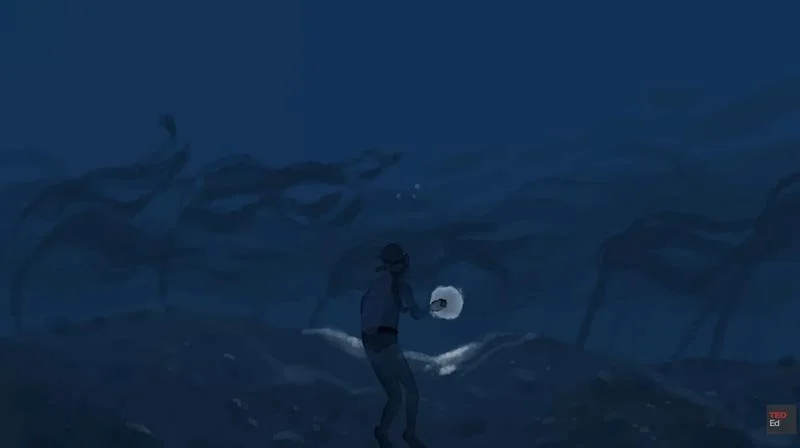
Today, kelps are known to be the largest marine plants, and there had already been talk of such giants being pulled up from enormous depths in the late 19th century.
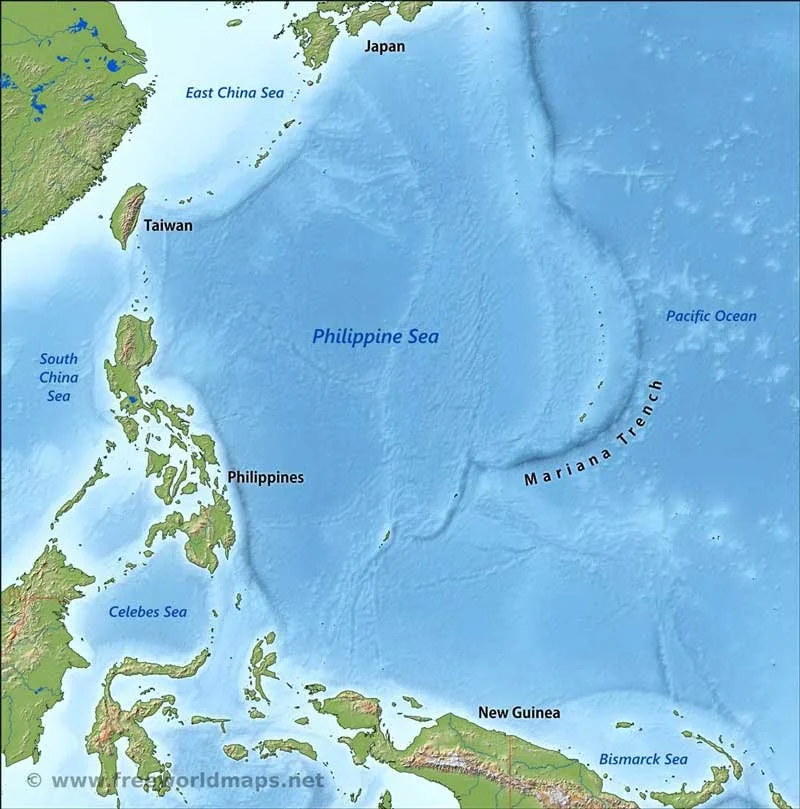
Following the Mediterranean discovery, fishermen, naval officers, and scientists began dredging up more massive mesophotic kelps in the Philippine Sea and off the coasts of Brazil, Australia, and North America.
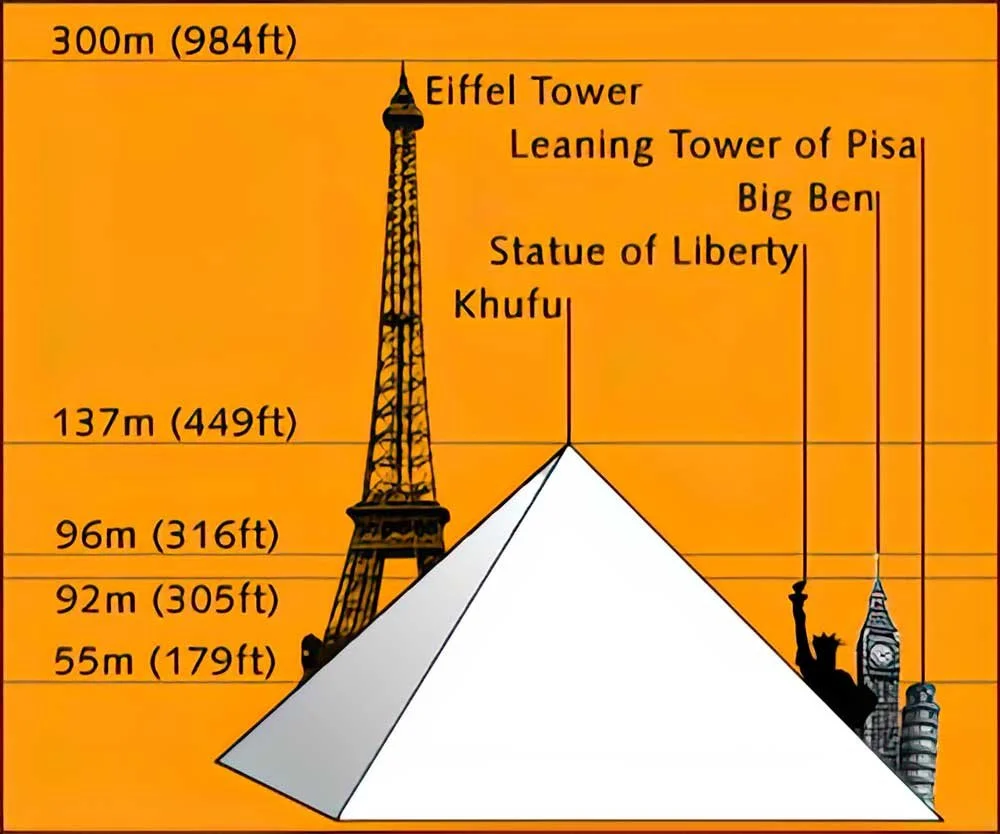
There were even claims of plants this large being brought up from as deep as 150 meters—deeper than the Great Pyramid of Giza is tall.
Living in the Shadow
These forests should be impossible.
Like any other plant, kelps require light to grow. Yet these specimens grow as large as—and often even larger than—their shallow counterparts, all with less light than they should require just to stay alive.
DEFINITION
Specimen (n.) – An individual plant, animal, or object collected as a sample for scientific study.
Counterpart (n.) – A person or thing that corresponds to or has the same function as another in a different place.
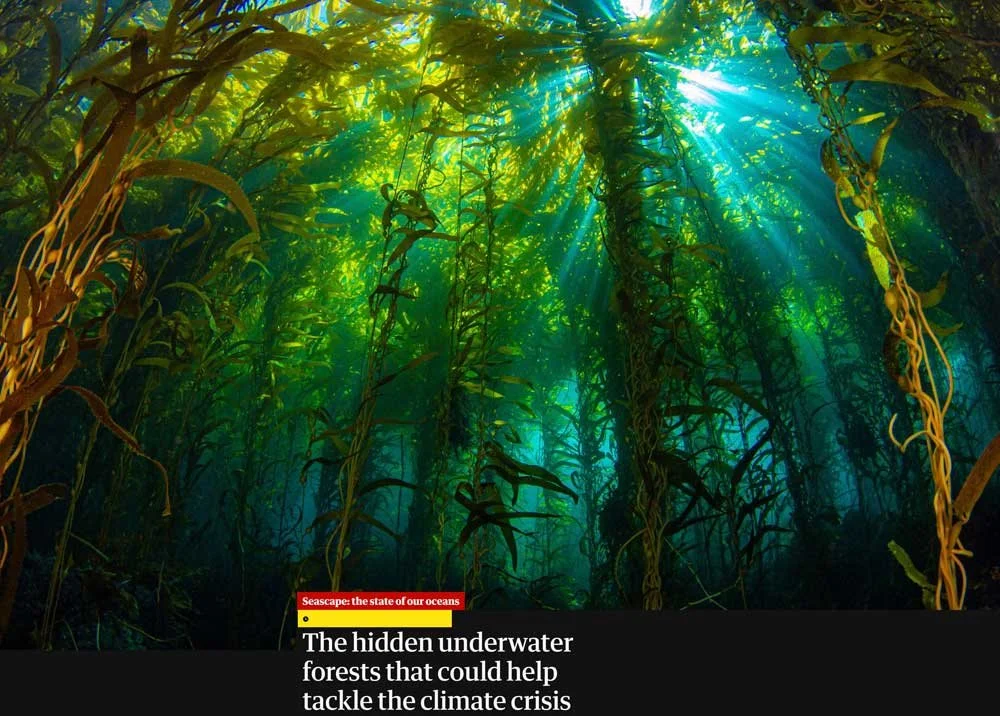
Then again, the mesophotic zone is the border between two worlds: one where life depends on the energy provided by sunlight, and another where life has learned to live in darkness.
So, how have these large, light-dependent organisms adapted to thrive at such depths?
Researchers are still investigating the answer to this question, but they do have theories.
Efficient Adaptations & Energy Savings
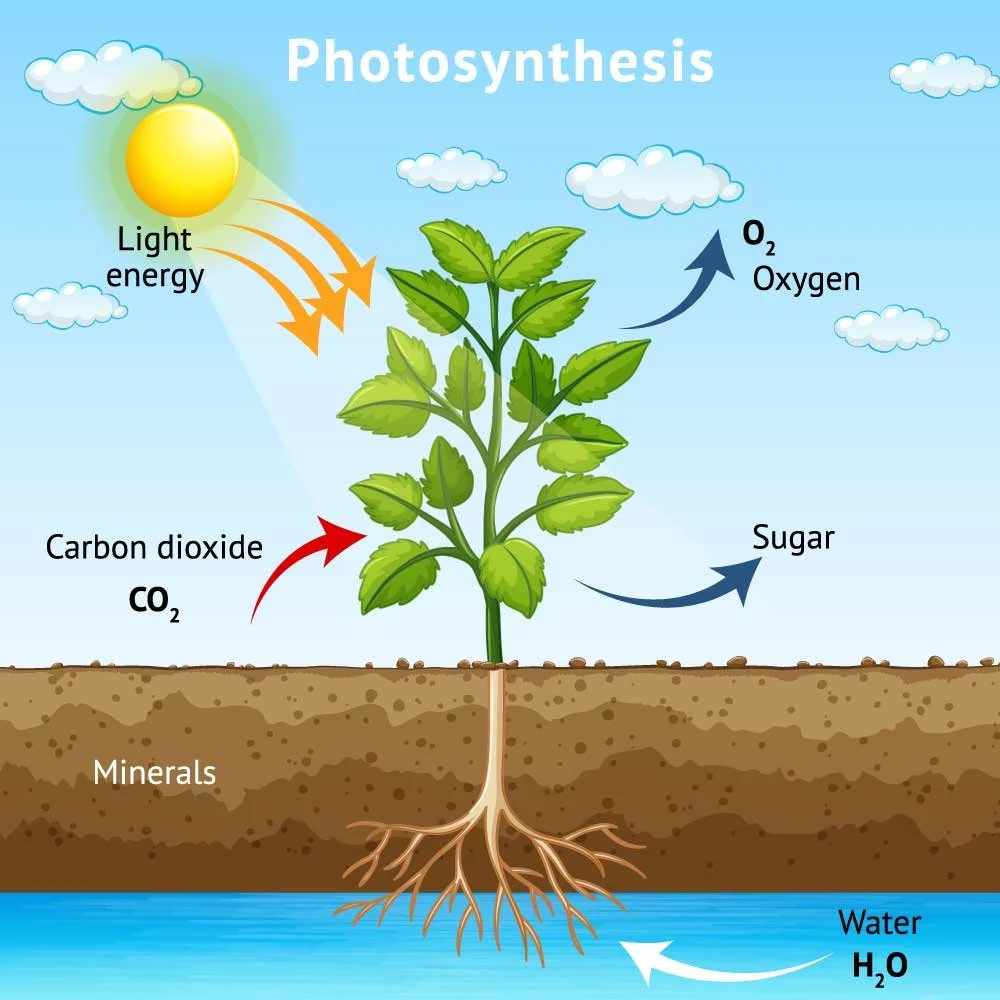
Mesophotic kelps photosynthesize more efficiently than their shallow counterparts.
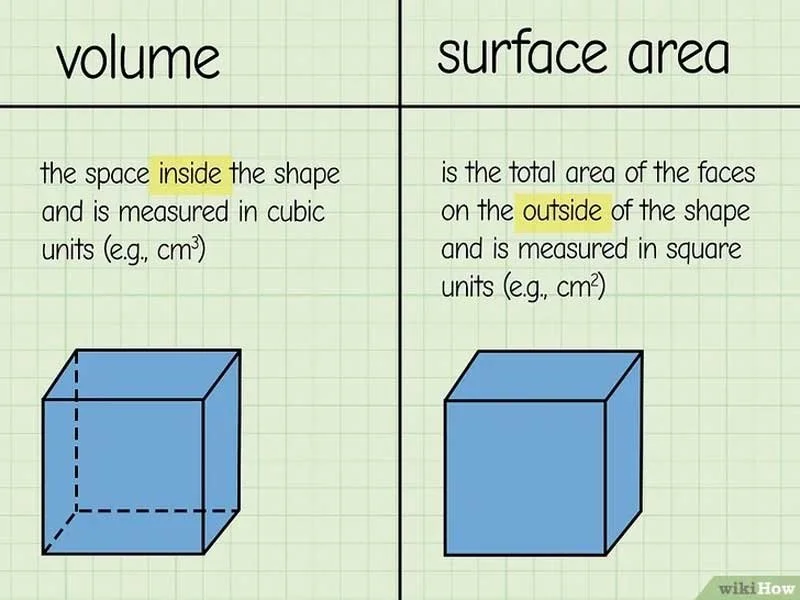
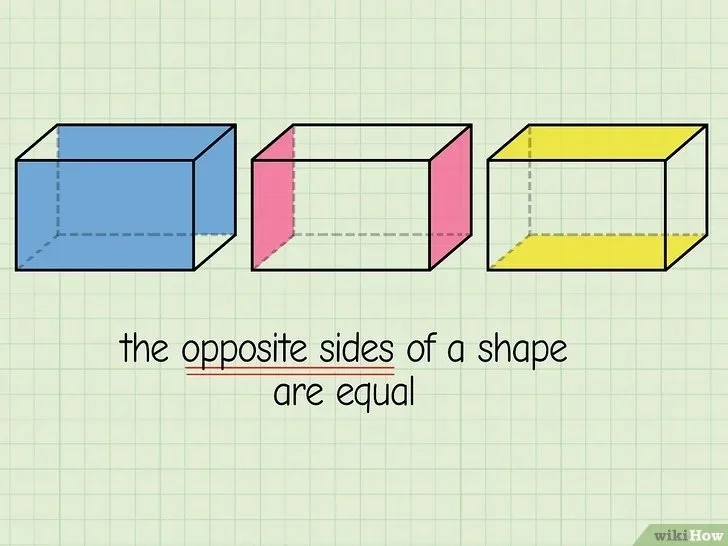
Some researchers suggest this might be due to having a very large surface area relative to their biomass, which allows deep kelps to maximize light harvesting and minimize respiration.
DEFINITION
Photosynthesize (v.) – The process by which green plants use sunlight, carbon dioxide, and water to make food.
Biomass (n.) – The total mass or weight of living biological material in a given area.

However, taking these adaptations into account, existing research still suggests that deep kelp forests do not photosynthesize enough to sustain their growth and respiration, even at peak sunlight.
The real key to their success might be thriftiness.
DEFINITION
Thrift (n.): wise use and saving of money or other resources.
Photosynthesis depends on four main ingredients: sunlight, water, nutrients, and carbon dioxide (CO2).
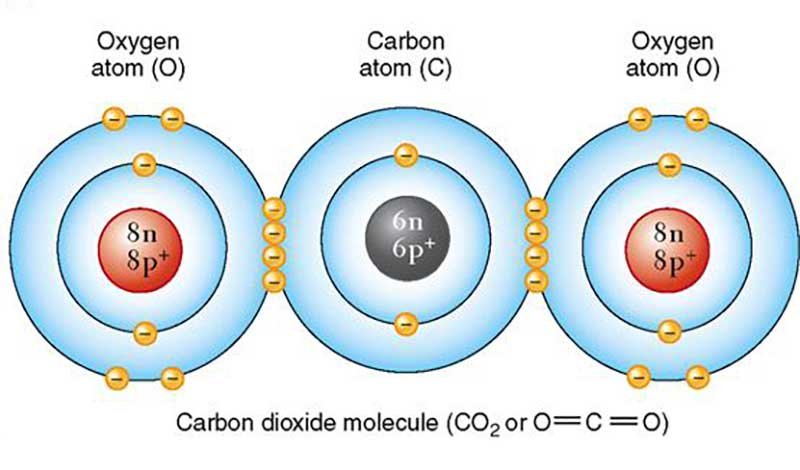
While sunlight is severely limited, the deep ocean is full of water, nutrients, and CO2.
Most marine CO2 exists in a bicarbonate form that requires a lot of energy to convert.
Most aquatic plants have evolved mechanisms to handle this energy-intensive process, but deep kelps take an easier path.
Since deeper waters have abundant dissolved CO2 that does not need conversion, they get their fill through low-energy passive diffusion.
DEFINITION
Diffusion (n.) – The natural spreading out of particles or gas from an area of high concentration to an area of low concentration.
Mesophotic kelps also save energy by not producing molecular sunscreen, which shallow plants typically need to prevent damage from excess sunlight.

Surviving the Seasons & Supporting Ecosystems
These are not the only tricks deep kelps use to conserve energy.
In the darker winter months, these plants suppress their respiration and subsist on the carbon reserves they stocked up during the summer.
DEFINITION
Conserve (v.) – To protect something from harm, loss, or waste; to use energy or resources wisely.
Respiration (n.) – The process in living organisms of taking in oxygen and releasing carbon dioxide to produce energy.
Subsist (v.) – To maintain life or stay alive on a limited amount of food, energy, or resources.
This adaptation is similar to how shallow polar kelp forests survive months of darkness.
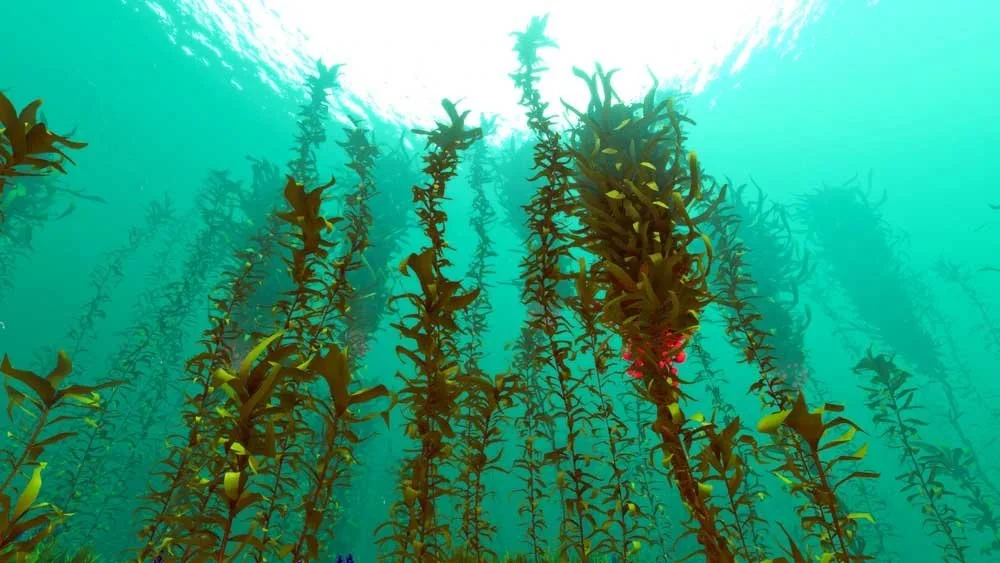
While a mesophotic kelp’s access to sunlight changes with the seasons, water temperature remains fairly consistent in the deep ocean, meaning they do not have to contend with extreme temperature swings.
This allows these deep forests to act as a climate refuge, providing a stable home for marine species fleeing heatwaves in shallower waters.
DEFINITION
Refuge (n.) – A shelter or safe place that provides protection from danger or difficult conditions.
Kelps also draw down some of the atmospheric CO2 that causes climate change.
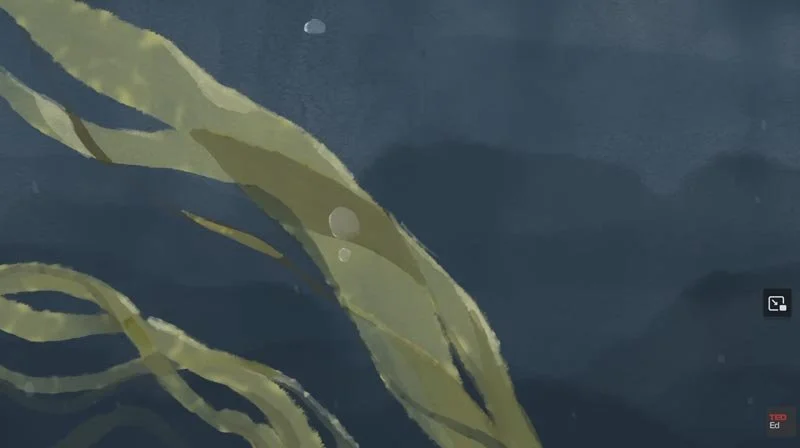
In fact, kelp detritus continues to photosynthesize and draw down carbon dioxide as it drifts to the ocean floor.
DEFINITION
Detritus (n.) – Loose material or debris that comes from organic waste or decomposing plants and animals.
Exploring Hidden Forests
Though researchers are still investigating the exact impact of kelp on the carbon cycle, much remains to be learned about these hidden underwater ecosystems.
Scientists do not yet know how much of the seafloor these forests cover. Because most kelp forests are invisible to satellites, researchers rely on cutting-edge underwater robots to find answers.
These remotely operated vehicles (ROVs) can explore and film depths far beyond the reach of human divers.
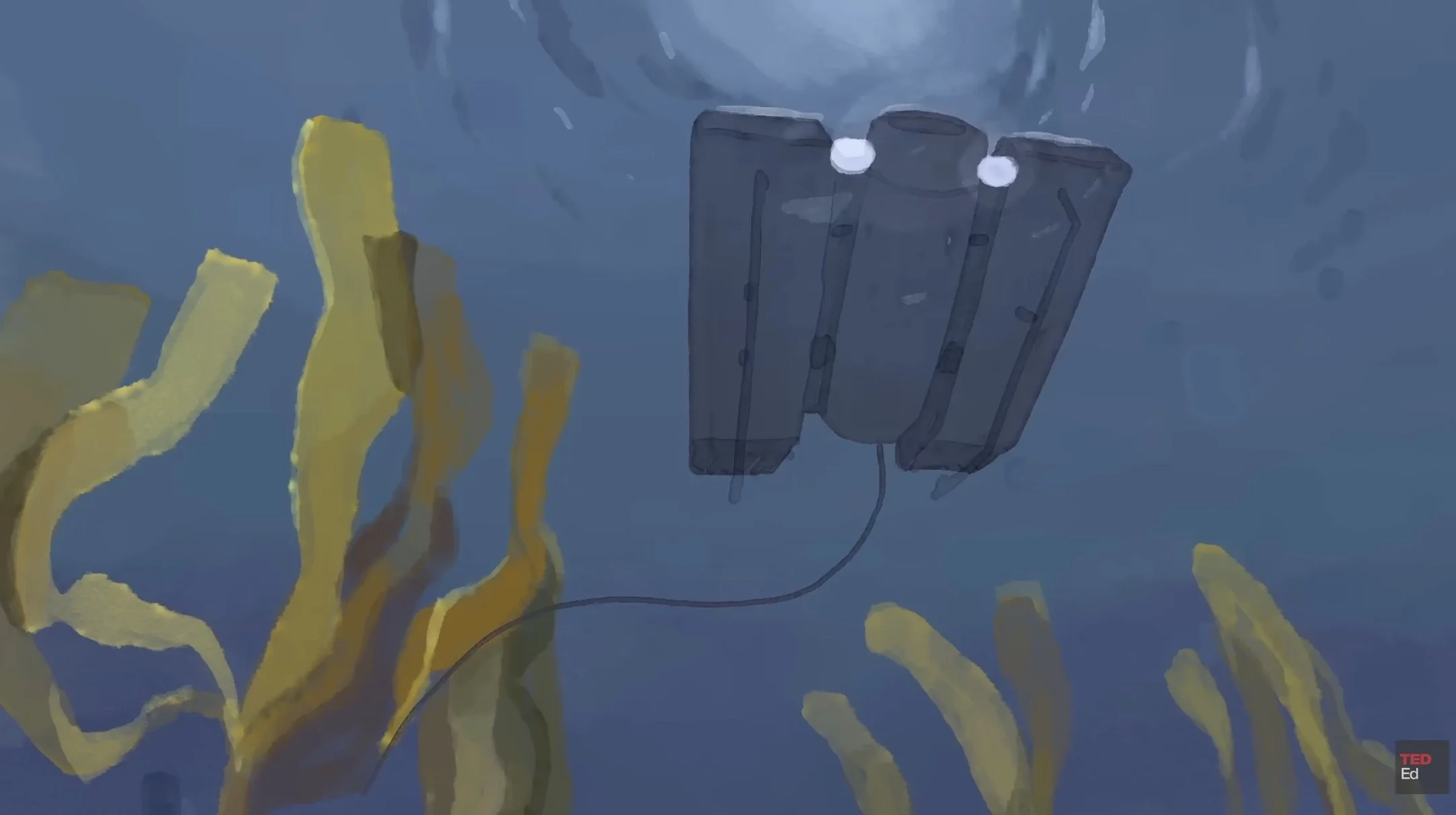
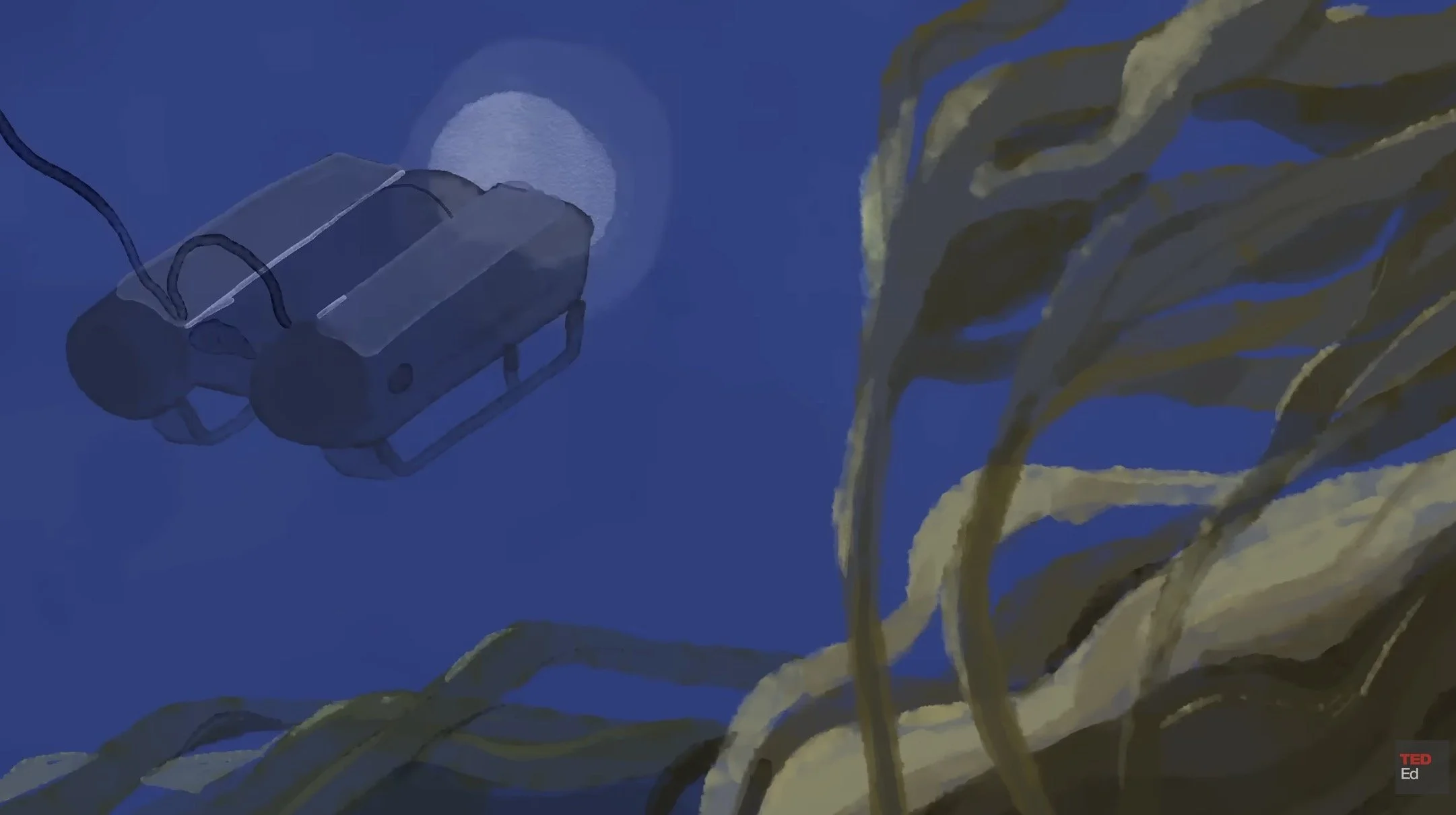
With their help, marine biologists have already discovered new kelp forests, including those off the tropical coast of the Galápagos Islands.
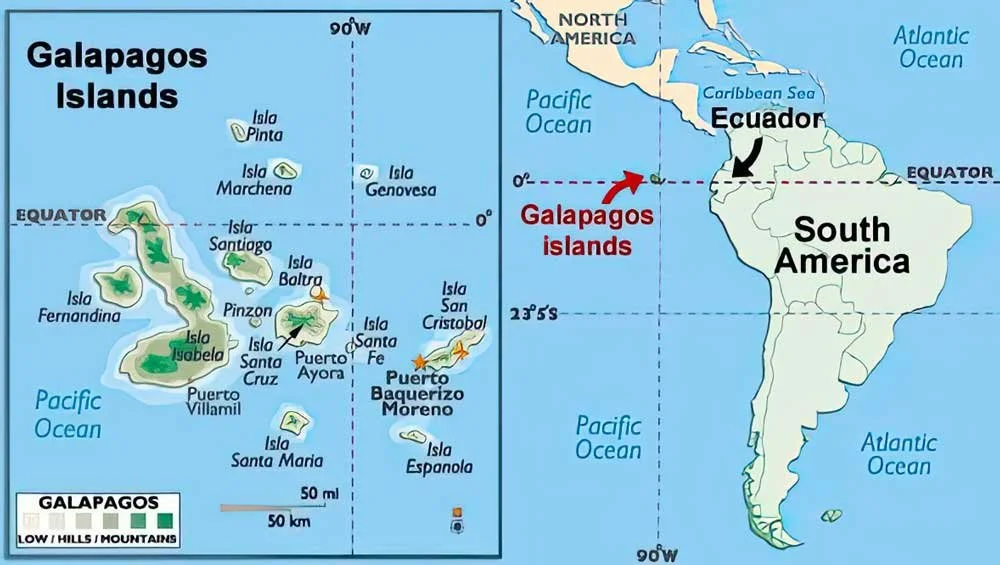
Given how many surprises these seemingly impossible forests have already revealed, many more mysteries remain to be discovered.


► WATCH VIDEO
— about 5 minutes

► COMPREHENSION QUESTIONS
— please answer with complete sentences
Name four African-continent countries that border the Mediterranean Sea.
Name four European countries that border the Mediterranean.
Name four countries bordering the Philippine Sea.
What is the mesophotic zone?
What does the verb — the action word — photosynthesize mean?
In your own words, what is the difference between volume and surface area?
What four ingredients does photosynthesis rely on?
Why does kelp not need molecular sunscreen?
What does it mean to conserve energy?
If deepwater kelp forests are invisible to satellites, how do scientists study them?
ABCD (10 points)
Write a new question based on the “Science of Skin” text or the video.
Answer it.
Dr. Kirtland Peterson Cat Peterson Dr. Cat