
EFFECTIVE PRACTicE


• Read •
PRACTICE
Mastering any physical skill, be it performing a pirouette, playing an instrument, or throwing a baseball, takes practice.
Practice is the repetition of an action with the goal of improvement, and it helps us perform with more ease, speed, and confidence.
So what does practice do in our brains to make us better at things?

Pirouette (n.): A full turn of the body on one foot, typically done in ballet.
Repetition (n.): The act of doing or saying something again.
Our brains have two kinds of neural tissue: grey matter and white matter.
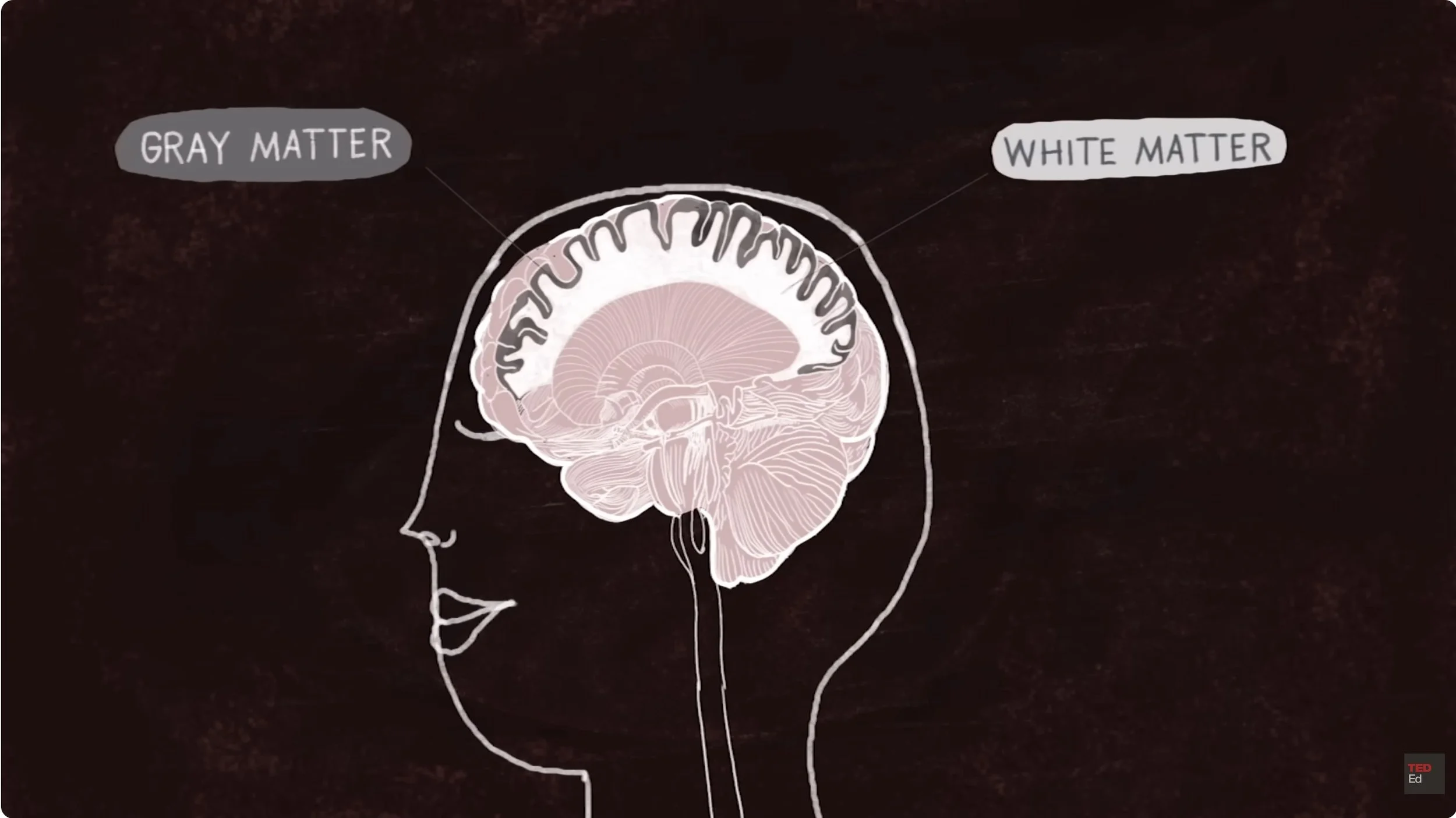
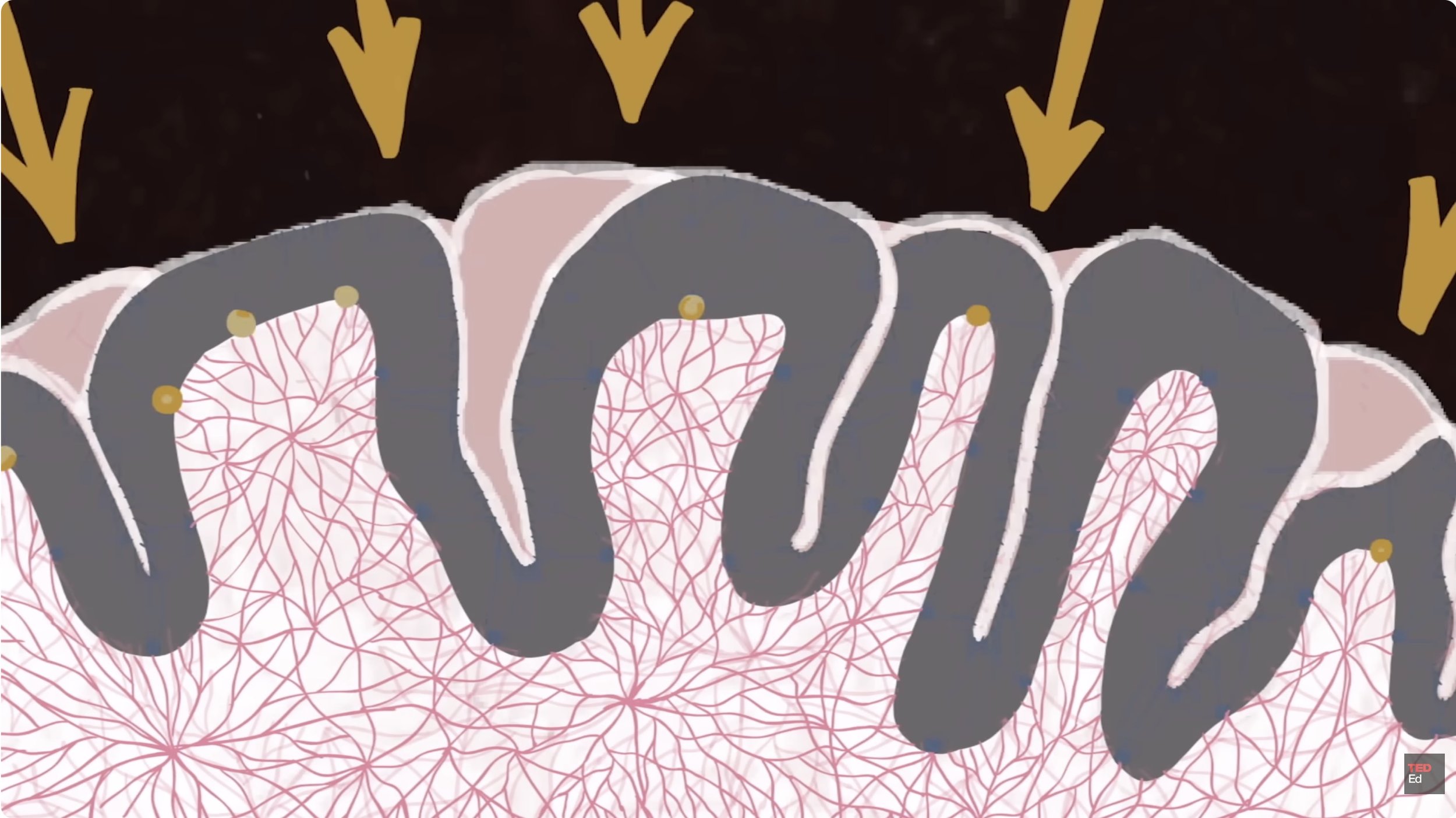
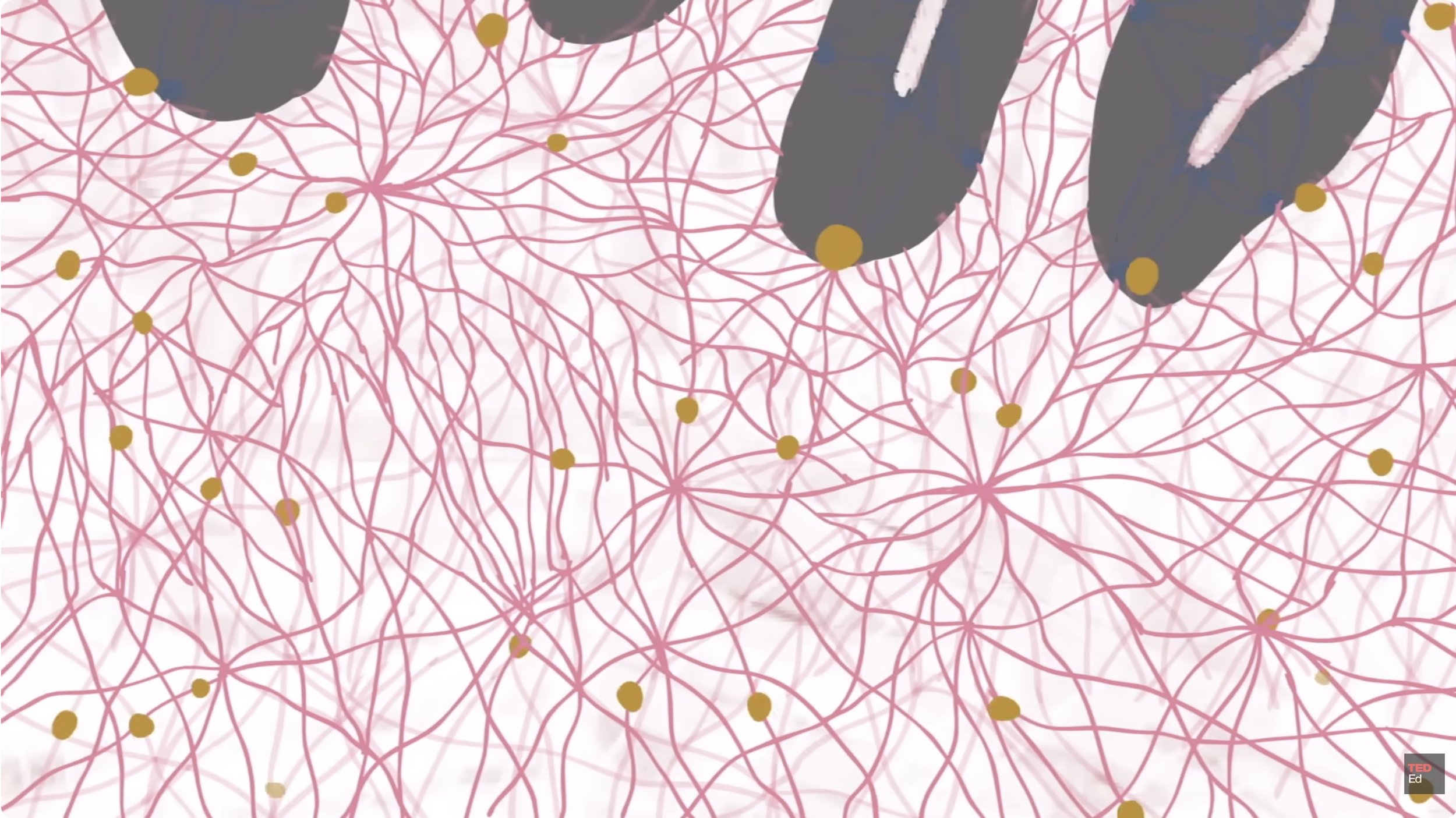
The grey matter processes information in the brain, directing signals and sensory stimuli to nerve cells, while white matter is mostly made up of fatty tissue and nerve fibers.
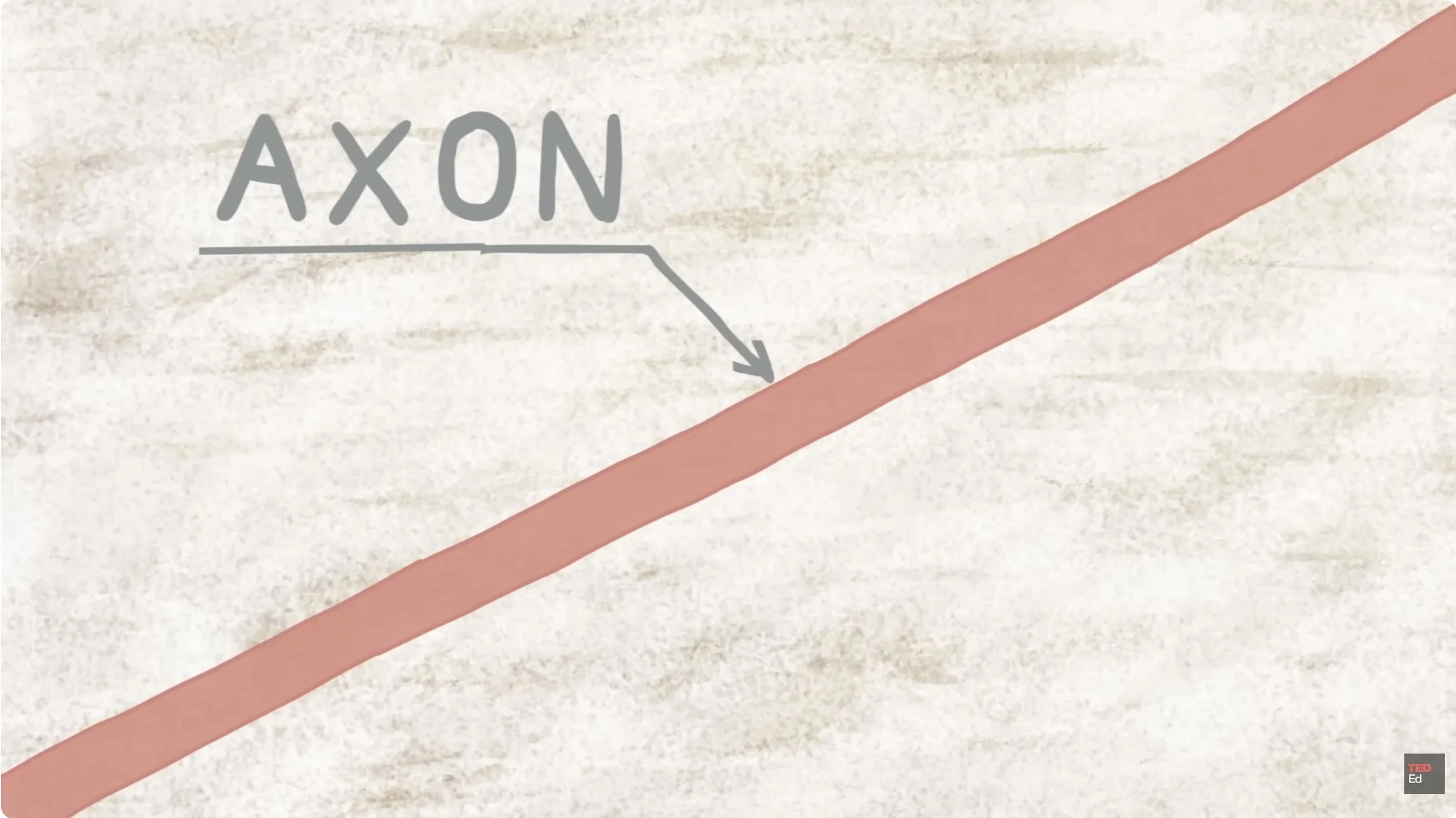
In order for our bodies to move, information needs to travel from the brain's grey matter, down the spinal cord, through a chain of nerve fibers called axons to our muscles.
Neural (adj.): Relating to a nerve or the nervous system
Tissue (n.): A group of similar cells that work together to perform a specific function in a body.
Stimuli (n.): Things that cause a reaction or response in a body or mind.
Axons (n.): Long, thin parts of nerve cells that send electrical signals away from the cell body to other cells.
What Does Practice Do?
So how does practice or repetition affect the inner workings of our brains?
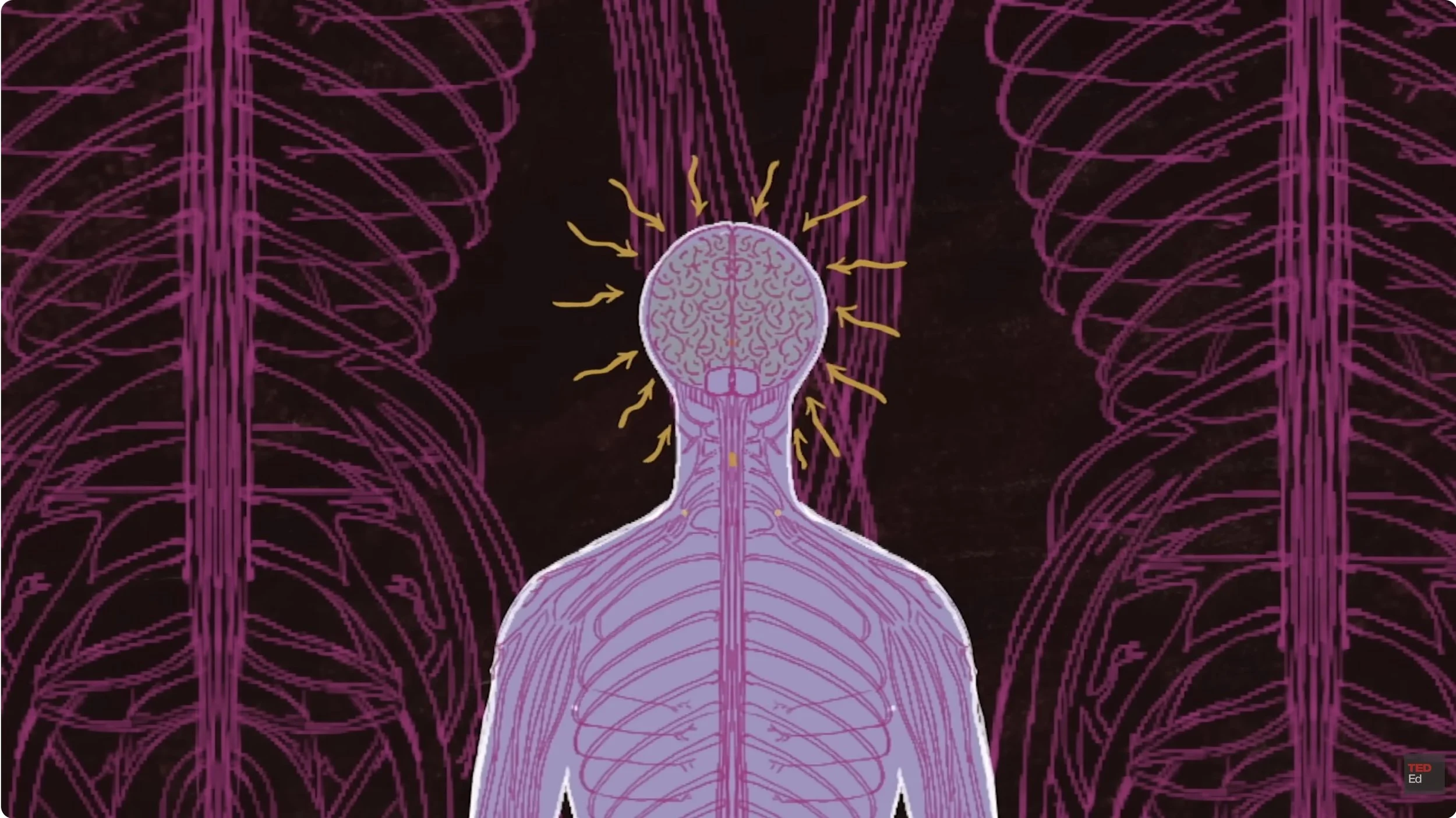
The axons that exist in the white matter are wrapped with a fatty substance called myelin.
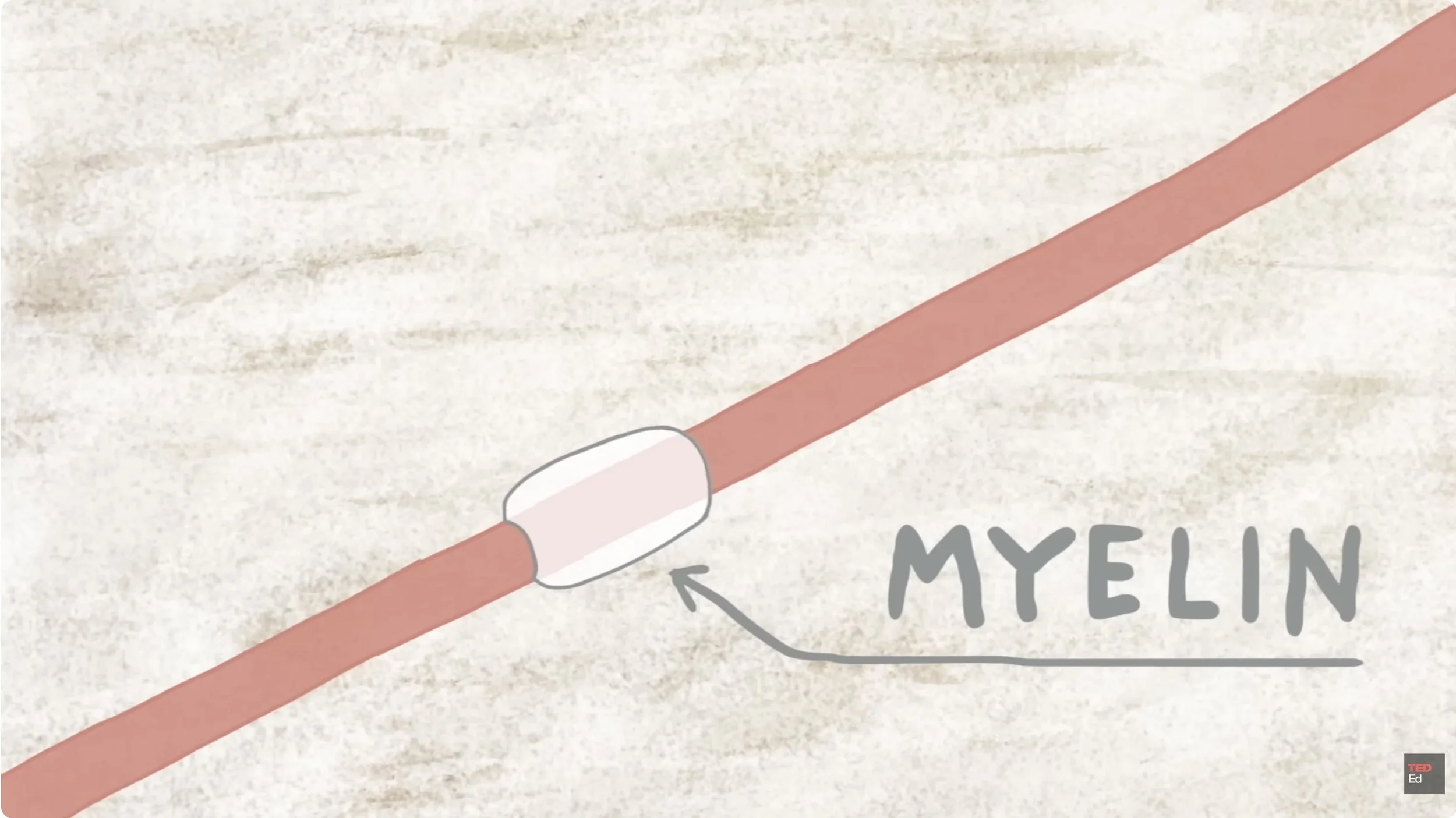
And it's this myelin covering, or sheath, that seems to change with practice.
Myelin (n.): A soft, fatty substance that forms a protective sleeve around nerve fibers.
Sheath (n.): A close-fitting protective cover or outer layer.
Myelin is similar to insulation on electrical cables.
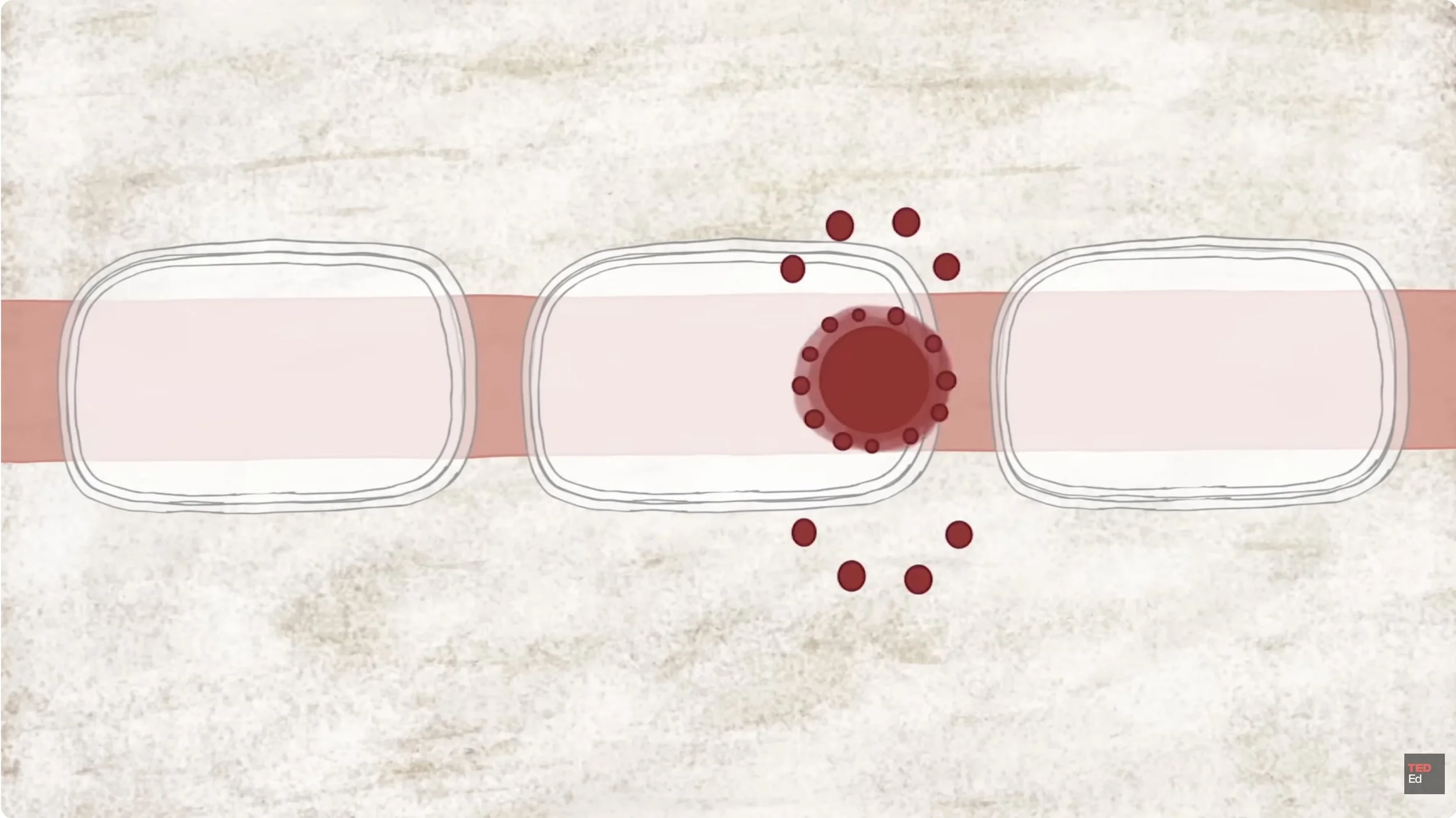
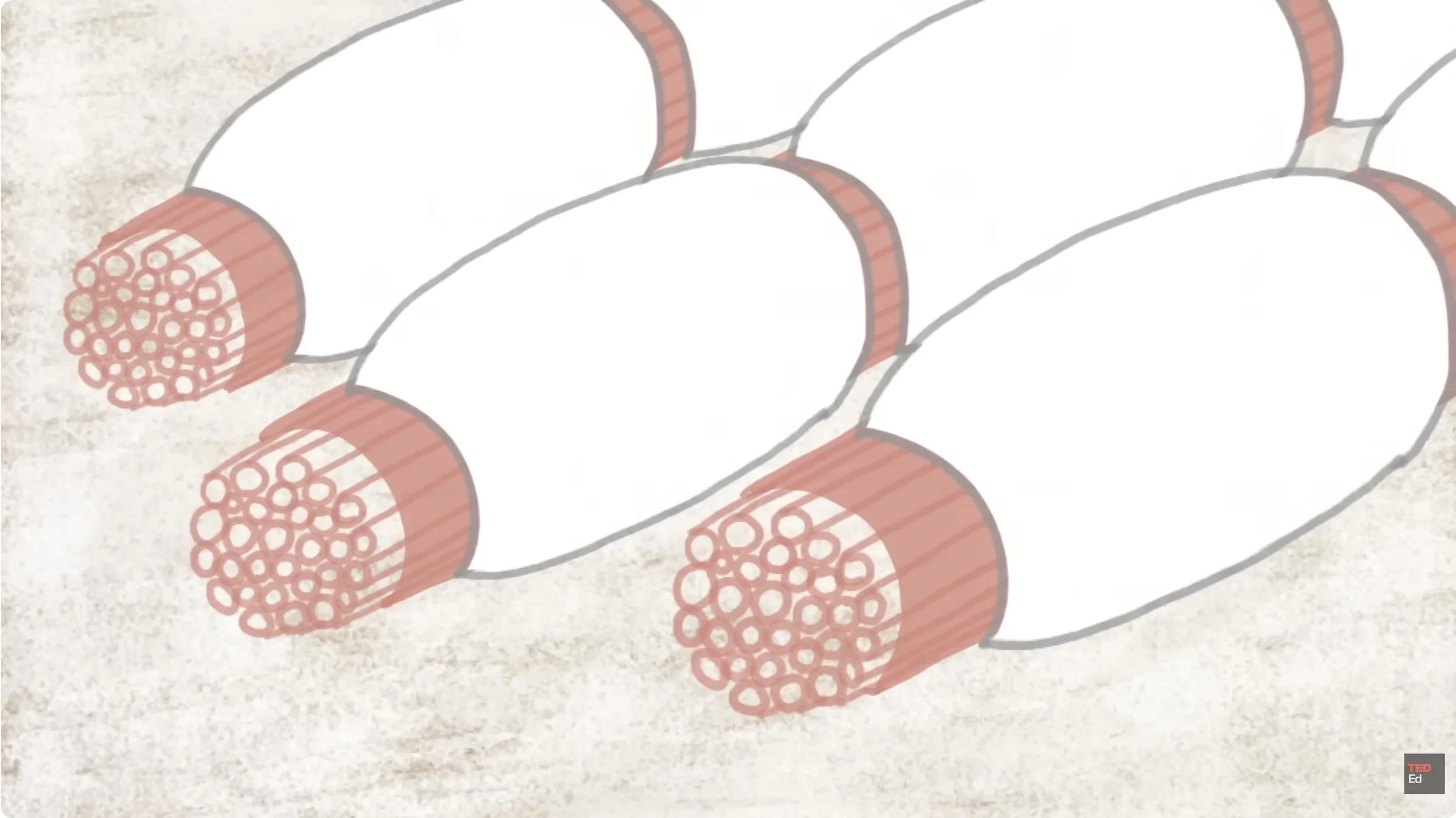
It prevents energy loss from electrical signals that the brain uses, moving them more efficiently along neural pathways.
Insulation (n.): A material used to prevent the loss of heat, electricity, or sound.
Efficiently (adv.): Doing something quickly and well without wasting time, energy, or materials.
Some recent studies in mice suggest that the repetition of a physical motion increases the layers of myelin sheath that insulates the axons.
And the more layers, the greater the insulation around the axon chains, forming a sort of superhighway for information connecting your brain to your muscles.
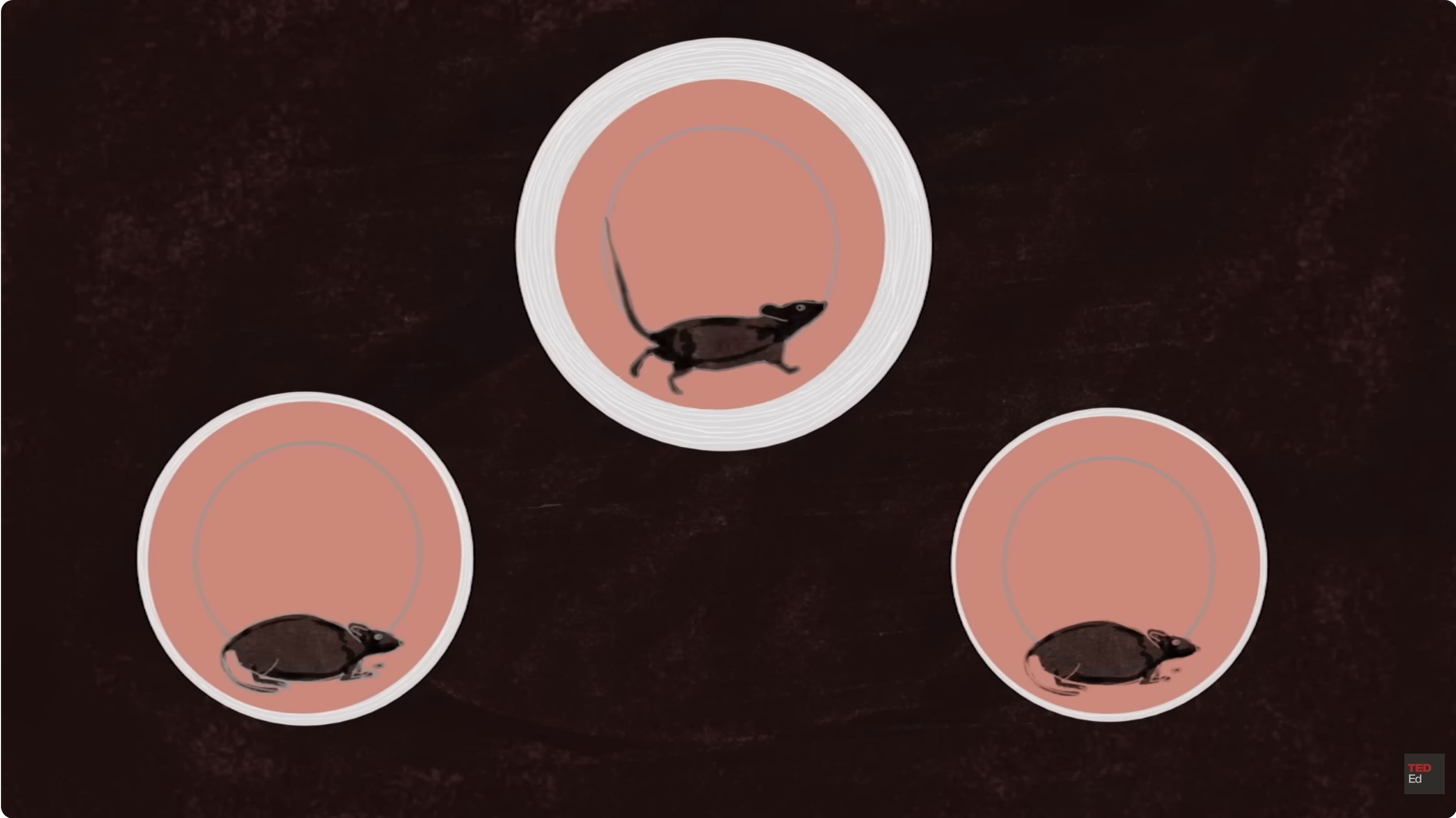
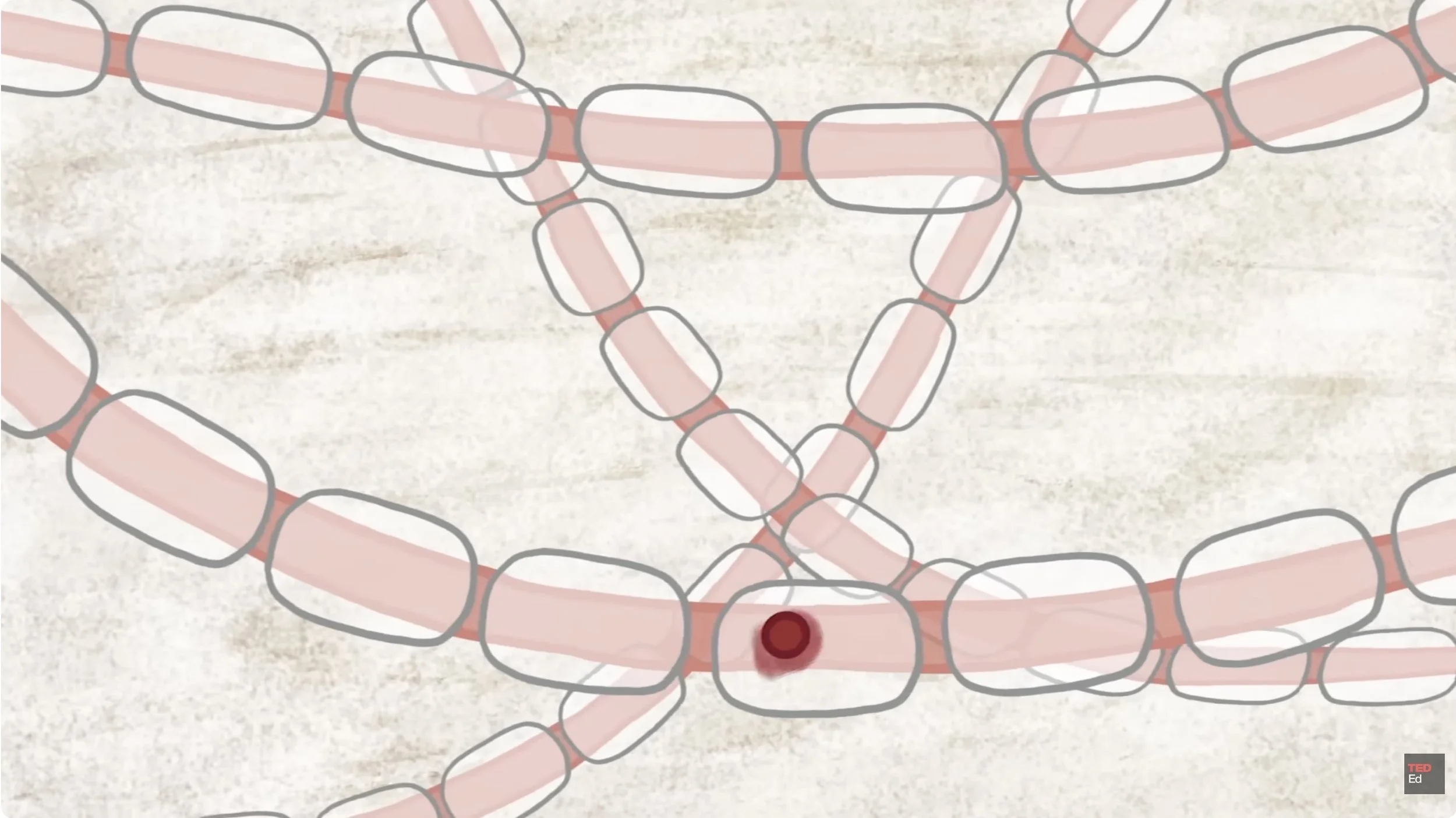
So, while many athletes and performers attribute their successes to muscle memory, muscles themselves don't really have memory.
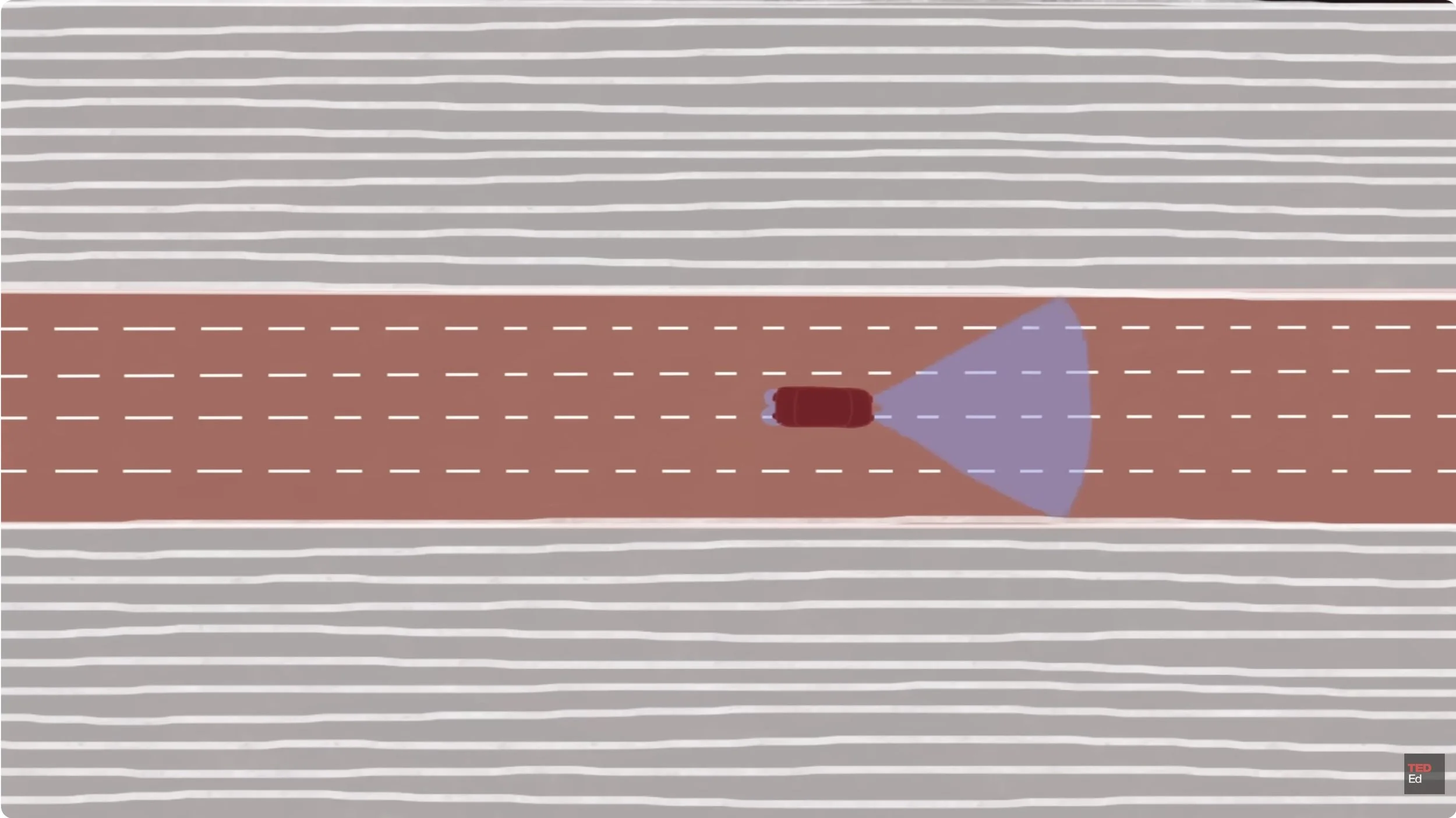
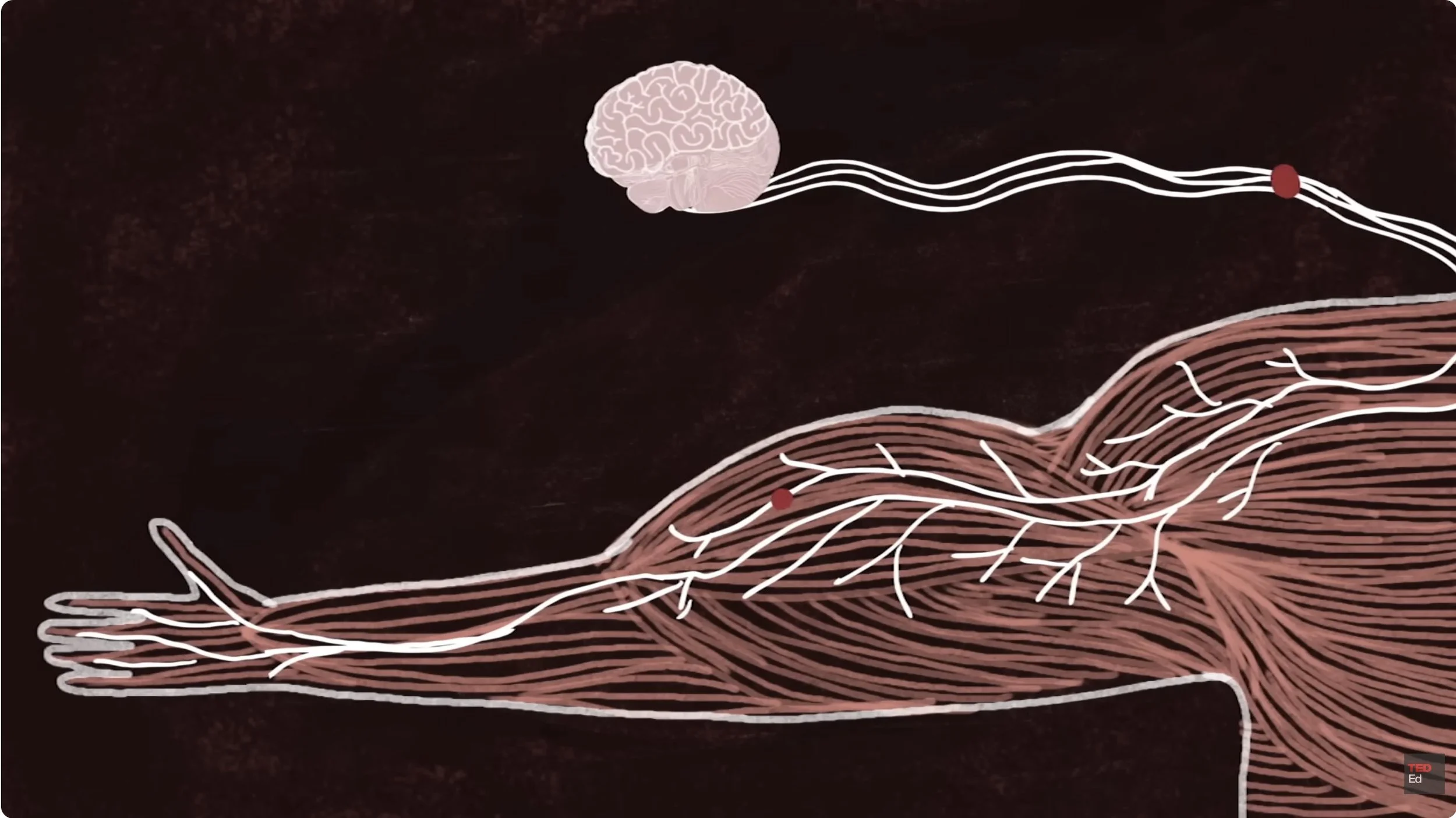
Rather, it may be the myelination of neural pathways that gives these athletes and performers their edge with faster and more efficient neural pathways.
Attribute (n.): A quality, feature, or characteristic belonging to a person or thing.
Attribute (v.): To regard something as caused by, coming from, or belonging to a particular source or credit.
There are many theories that attempt to quantify the number of hours, days, and even years of practice that it takes to master a skill.
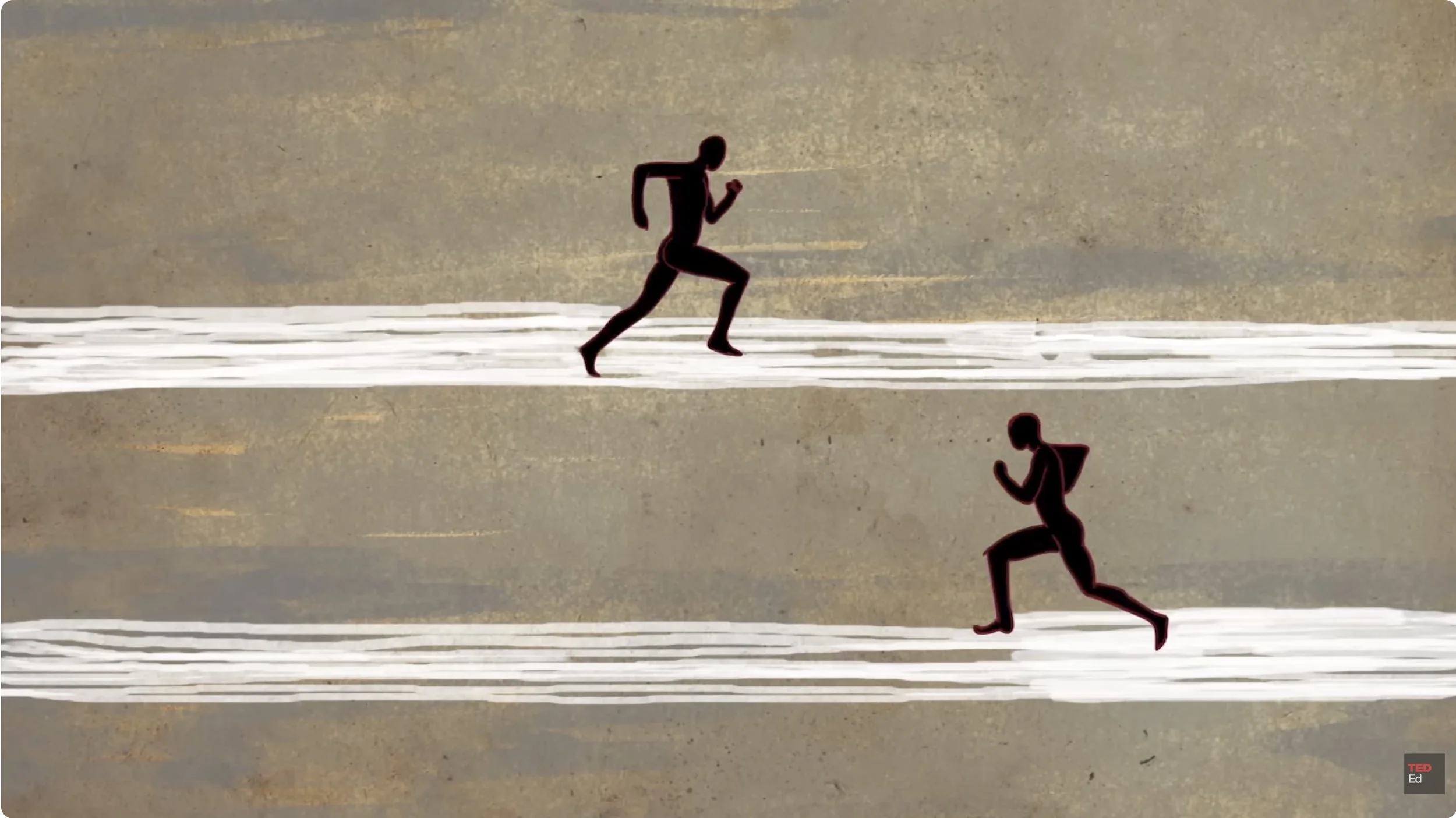
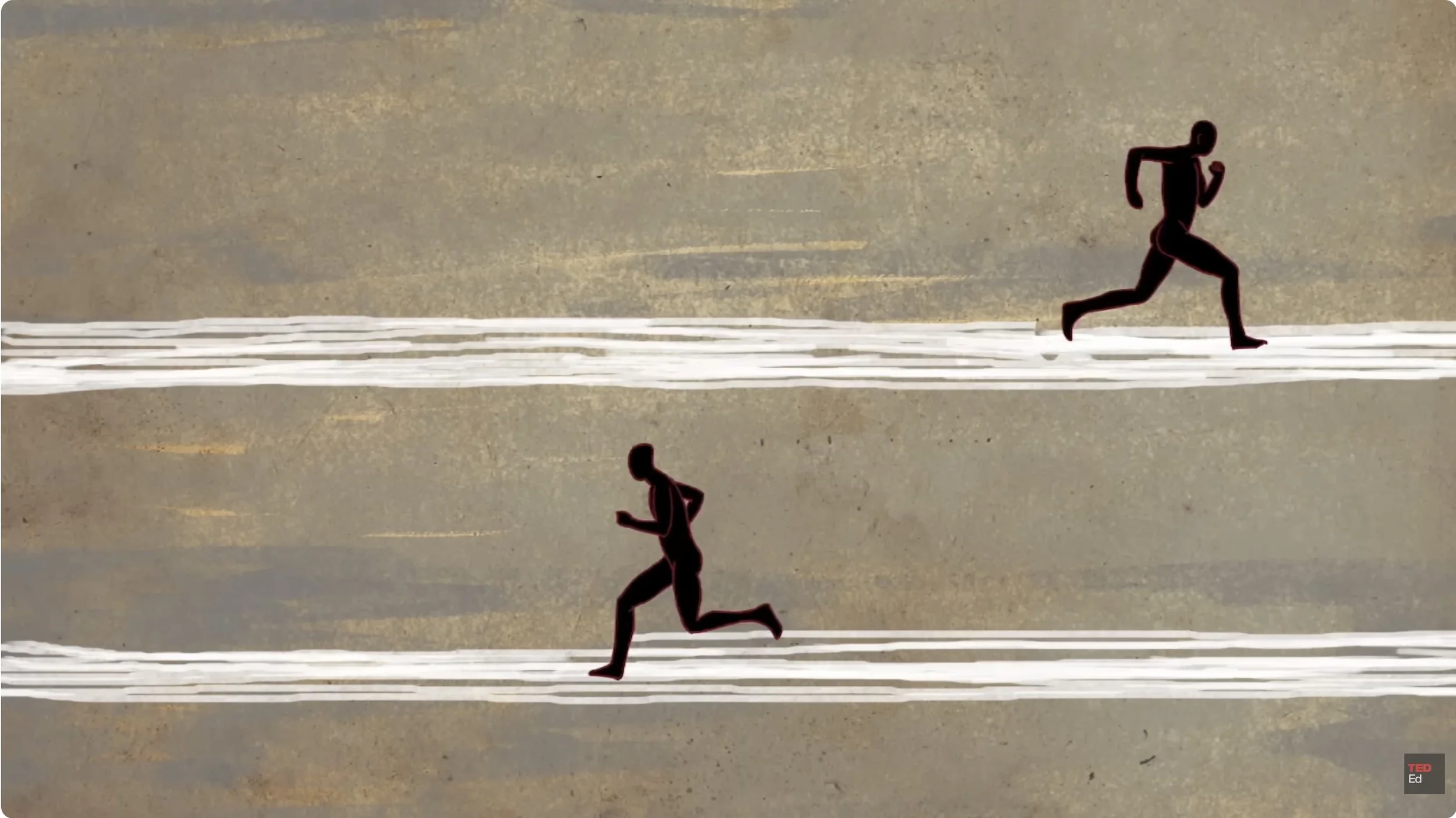
While we don't yet have a magic number, we do know that mastery isn't simply about the number of hours of practice.
It's also the quality and effectiveness of that practice.
Quantify (v.): To measure or express the amount or quantity of something.
How to Practice Effectively
Effective practice is consistent, intensely focused, and targets content or weaknesses that lie at the edge of one's current abilities.
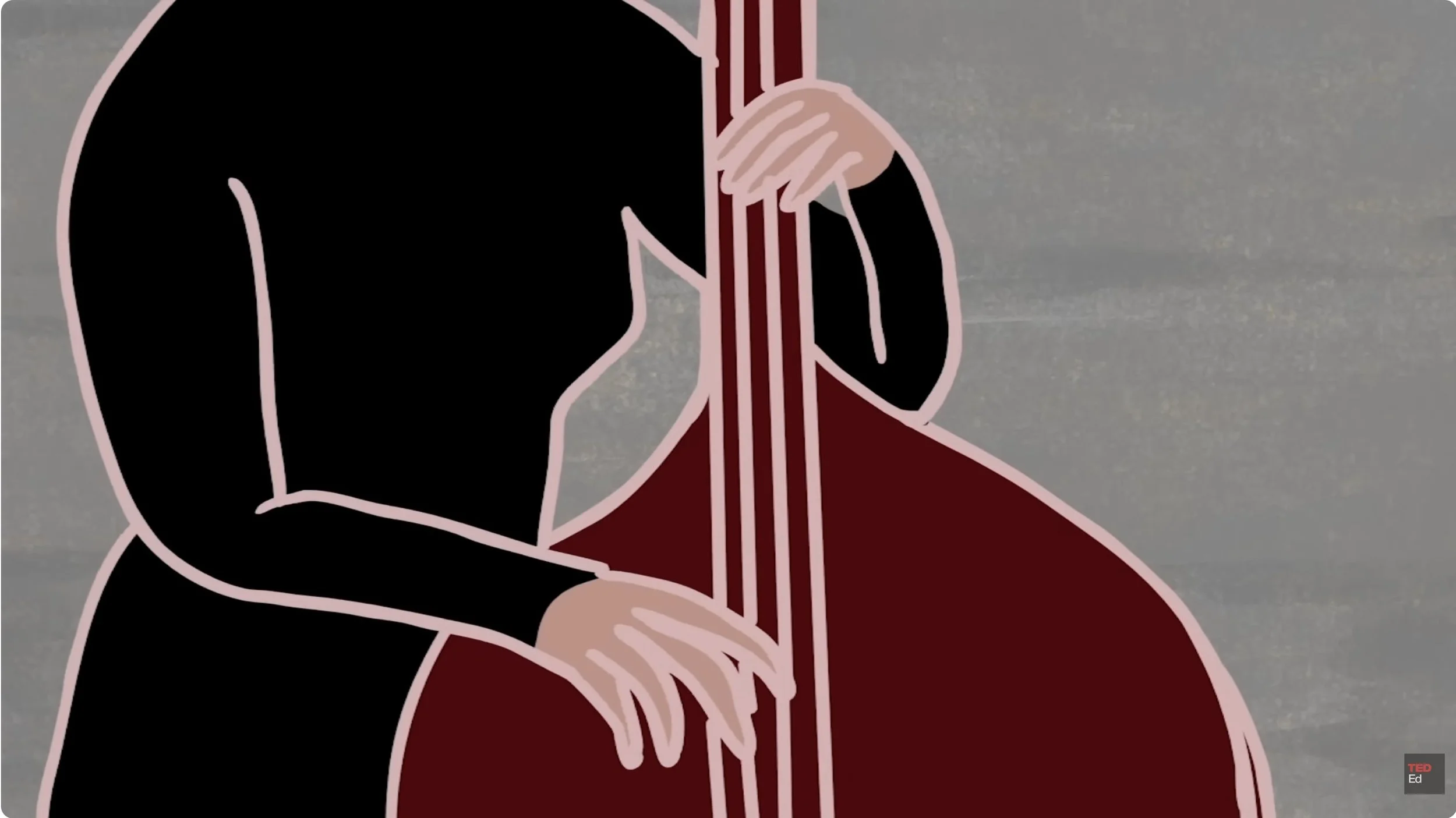
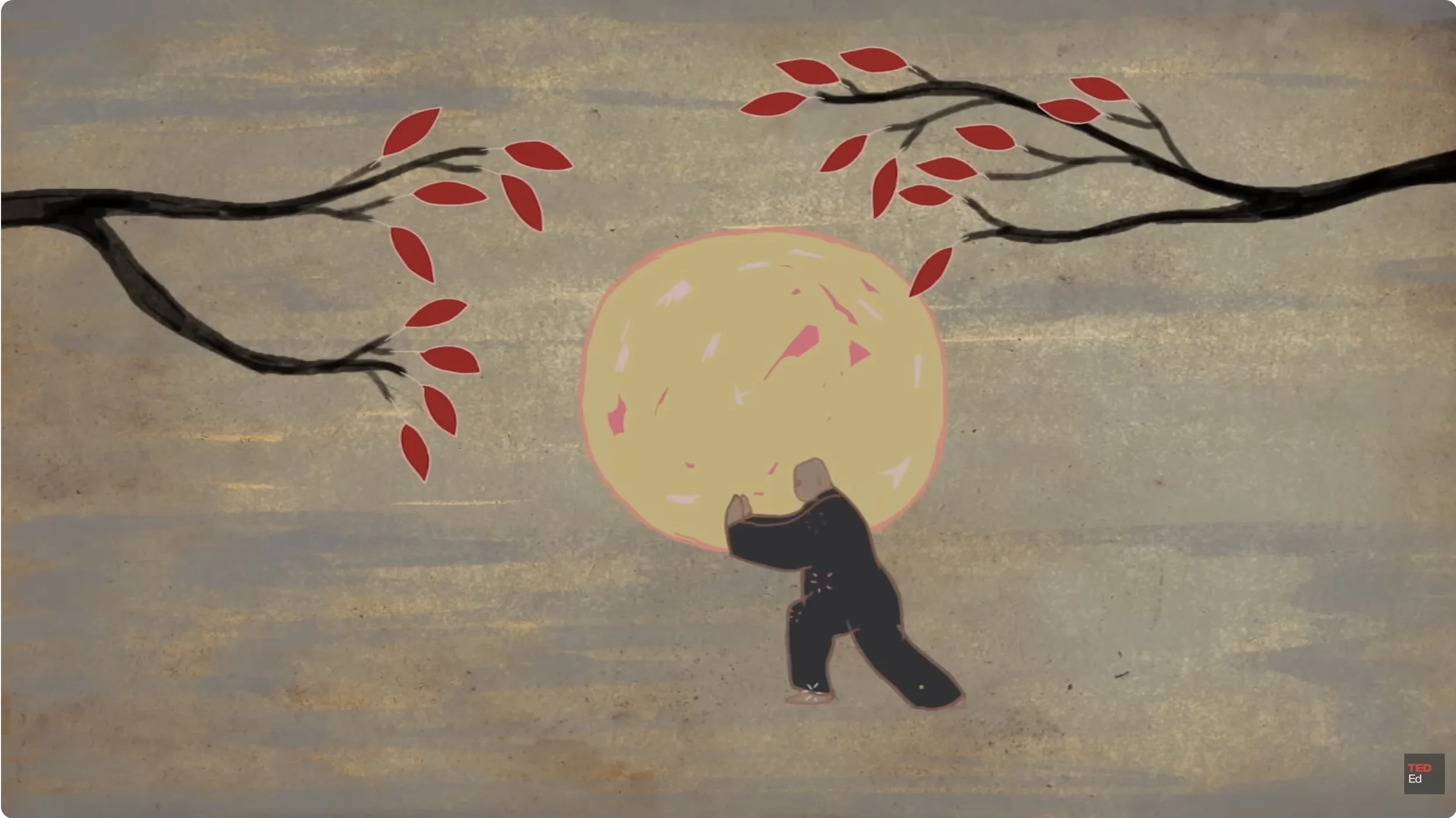
So if effective practice is the key, how can we get the most out of our practice time? Try these tips.

Consistent (adj.): Acting or done in the same way over time to maintain a steady standard.
Focus on the task at hand. Minimize potential distractions by turning off the computer or TV and putting your cell phone on airplane mode.
In one study, researchers observed 260 students studying. On average, those students were able to stay on task for only six minutes at a time.
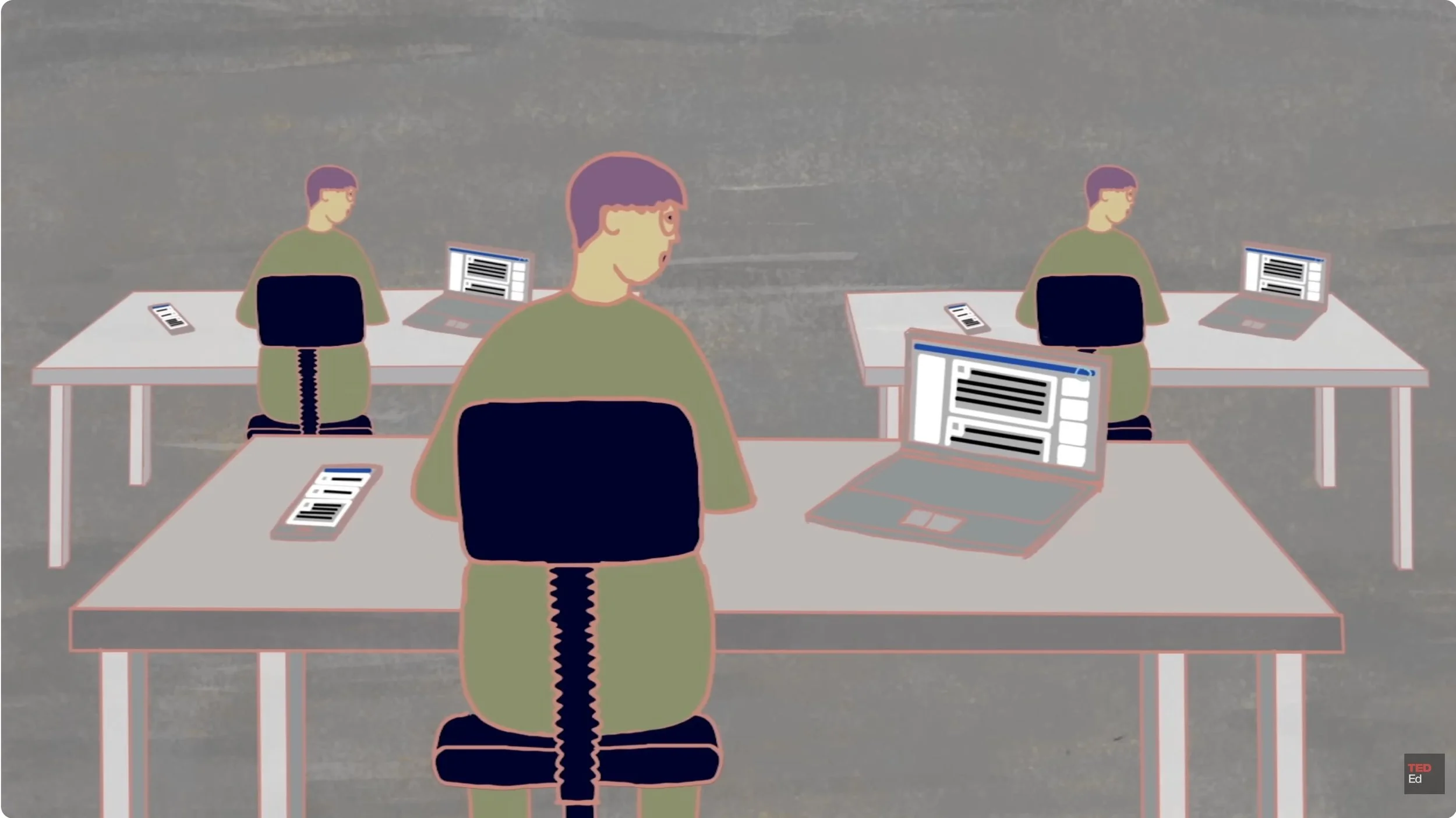
Laptops, smartphones, and particularly Facebook were the root of most distractions.
Start out slowly or in slow-motion.
Coordination is built with repetitions, whether correct or incorrect. If you gradually increase the speed of the quality repetitions, you have a better chance of doing them correctly.
Coordination (n.): The ability to use different parts of the body together smoothly and efficiently.
Next, frequent repetitions with allotted breaks are common practice habits of elite performers.
Studies have shown that many top athletes, musicians, and dancers spend 50–60 hours per week on activities related to their craft.
Many divide their time used for effective practice into multiple daily practice sessions of limited duration.
Duration (n.): The amount of time that something continues or lasts.
And finally, practice in your brain in vivid detail.
It's a bit surprising, but several studies suggest that once a physical motion has been established, it can be reinforced just by imagining it.
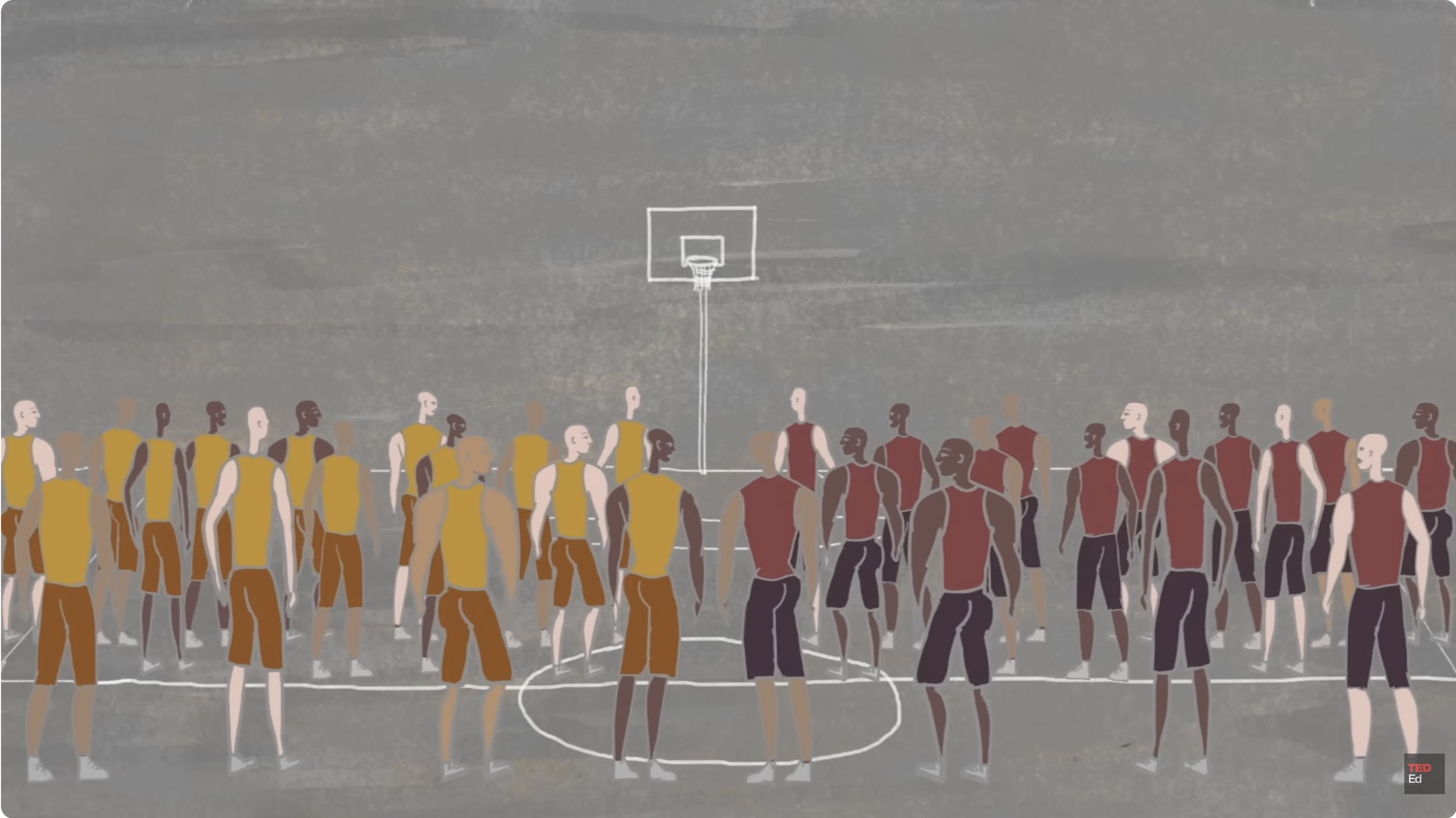
In one study, 144 basketball players were divided into two groups. Group A physically practiced one-handed free throws while Group B only mentally practiced them.
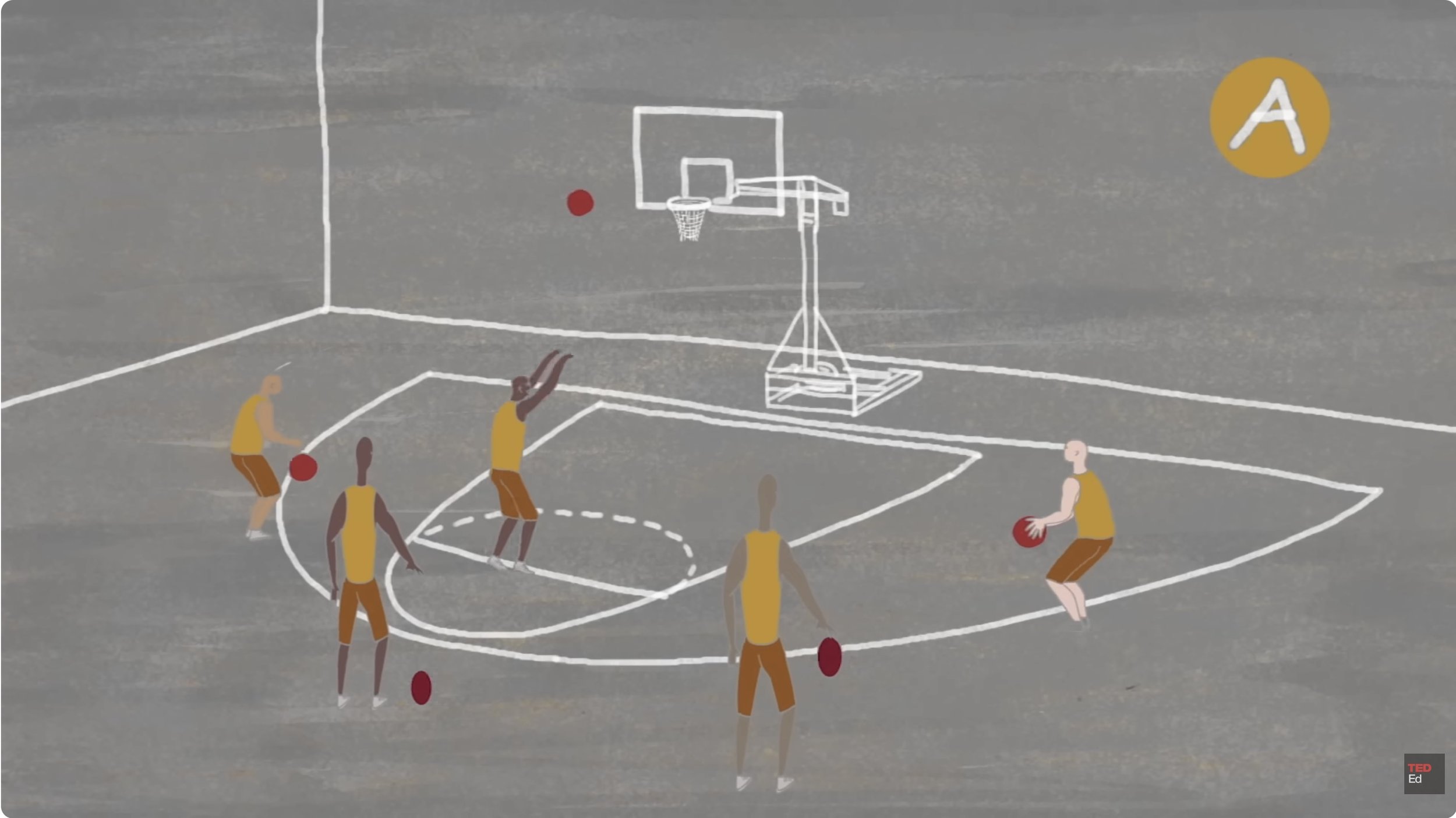
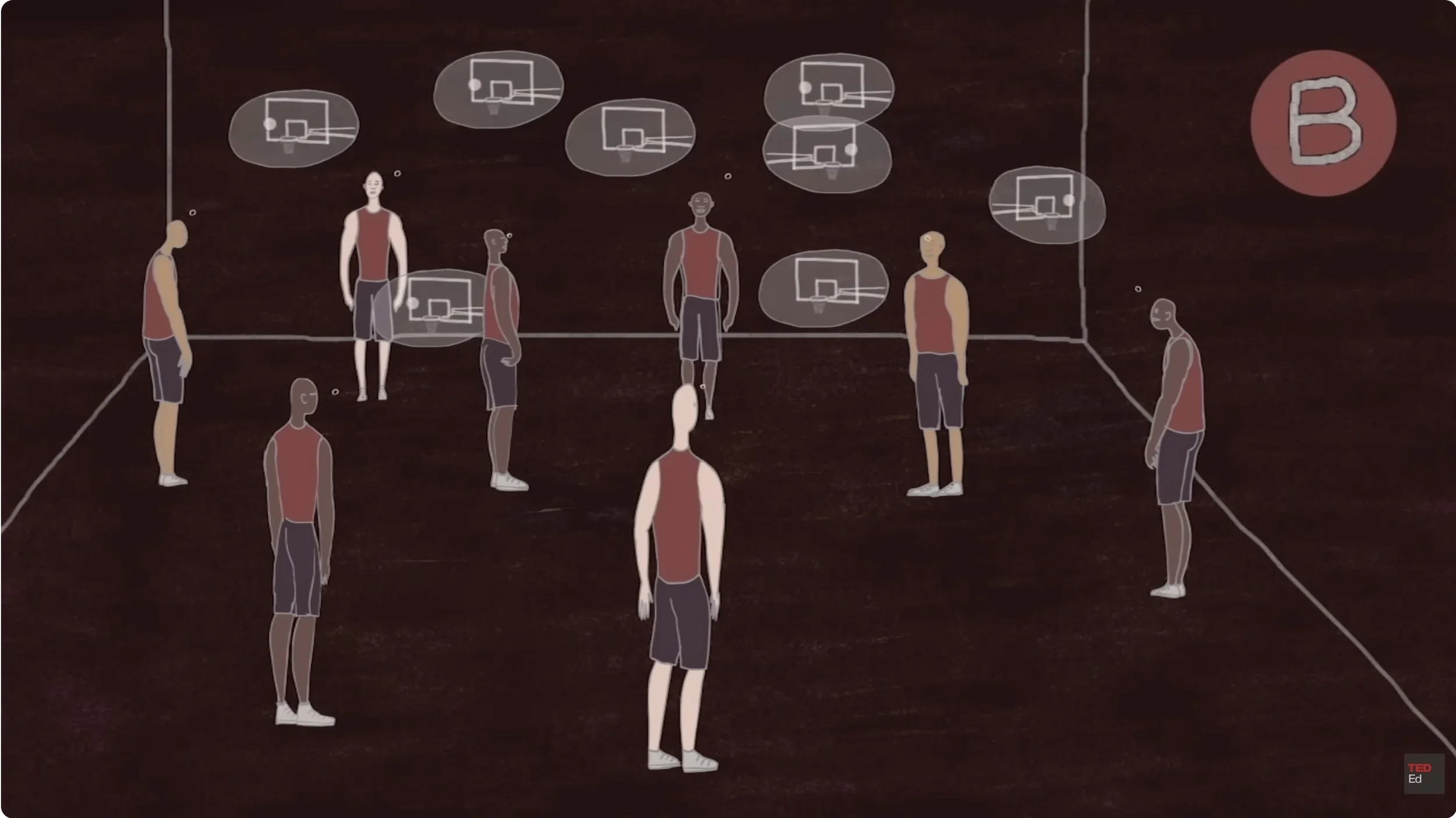
When they were tested at the end of the two-week experiment, the intermediate and experienced players in both groups had improved by nearly the same amount.
Reinforce (v.): To strengthen or support by additional material, evidence, or effort.
As scientists get closer to unraveling the secrets of our brains, our understanding of effective practice will only improve.
In the meantime, effective practice is the best way we have of pushing our individual limits, achieving new heights, and maximizing our potential.
Unravel (v.): to solve, explain or understand something complicated.
Maximize (v.): to make the best or largest possible use of something.


► WATCH VIDEO
— about 5 minutes
x

► COMPREHENSION QUESTIONS
— please answer with complete sentences
What are the two types of neural tissue?
Where can myelin be found?
What is myelin similar to?
How does the repetition of a physical motion affect the layers of myelin sheath that insulates the axons?
If I want to get better at a skill, is it enough to practice for many hours?
What can I do to make my practice most effective?
What is at the root of most distractions?
How many hours each week do top athletes and musicians spend practicing?
How do we know imagining an action can helpful in developing a skill?
Some people you need to practice to 10,000 hours to master a skill.
Based on what you’ve learned in this article, what do you think?
ABCD (10 points)
Think about the sports, music, art, writing, acting, acting, languages and more than you enjoy.
What skill would you like to master?
What would you do to achieve your goal?
Dr. Kirtland Peterson Cat Peterson Dr. Cat