
MAUI 1


• Read •
MAUI 1
INTRODUCTION
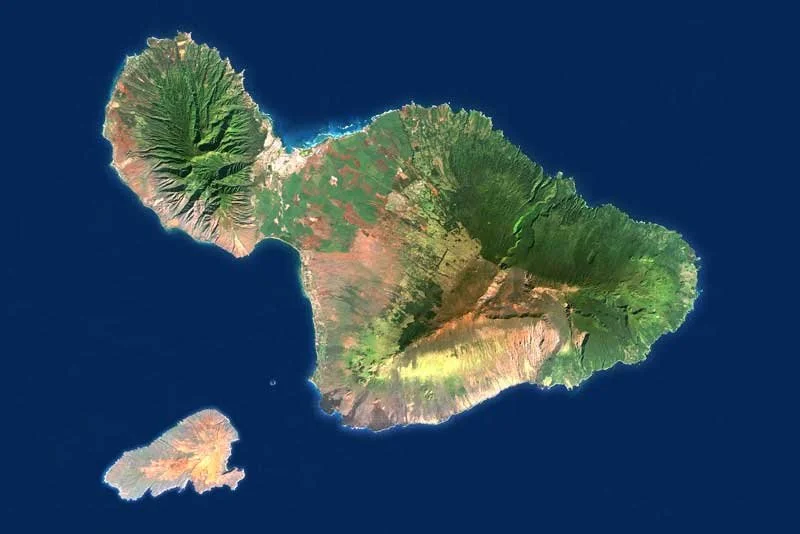
Maui is the second-largest island in the Hawaiian archipelago, at 727.2 square miles (1,883 square kilometers).
In 2020, Maui had a population of sbout 170,000, the third highest of the Hawaiian Islands, behind Oʻahu and Hawaiʻi Island.
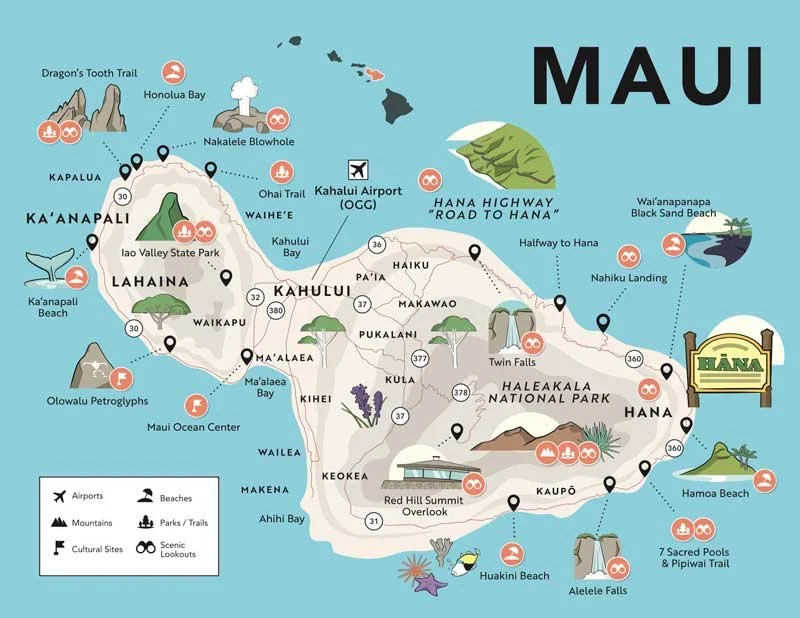
Kahului has a population of about 30,000. It is Maui's commercial and financial hub.
Other significant populated areas include Kīhei, Lāhainā, and Upcountry Maui (including Makawao, Pukalani, Kula, and Ulupalakua).
Lāhainā was mostly destroyed by fire in 2023.
Maui is dominated by two volcanic features: Haleakalā in the southeast, and the West Maui Mountains in the northwest.
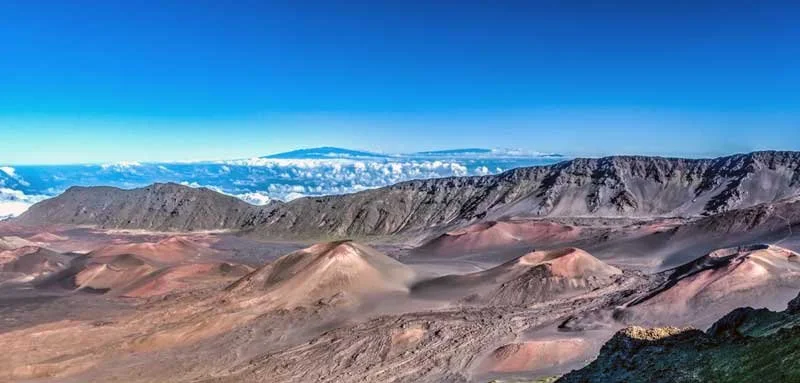
• Haleakala
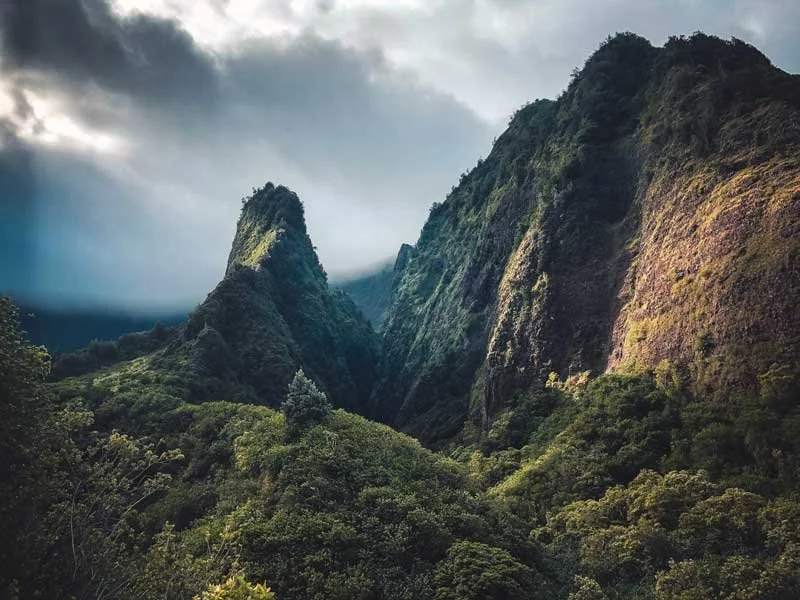
• ʻIao Valley, West Maui Moutains
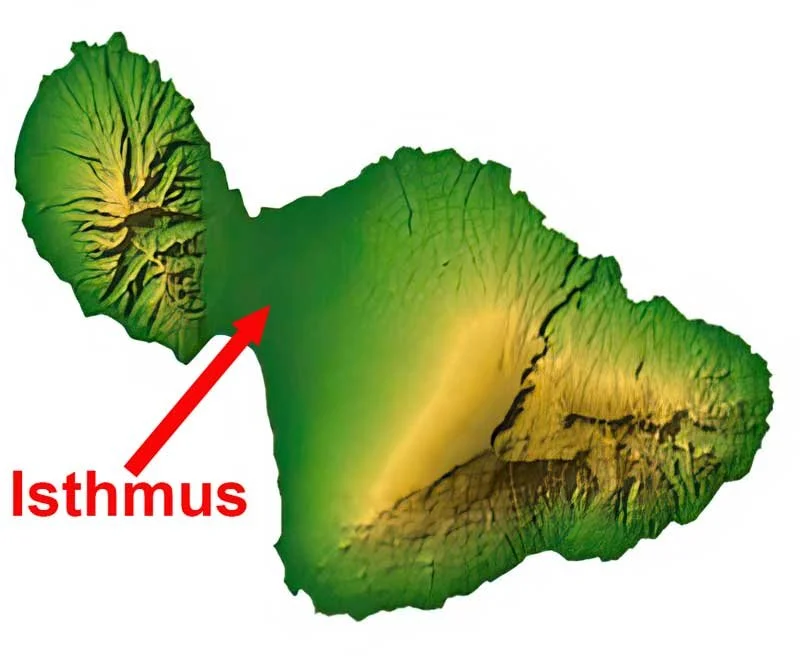
The two are connected by an isthmus about six miles wide that gives the island its nickname, the Valley Isle.
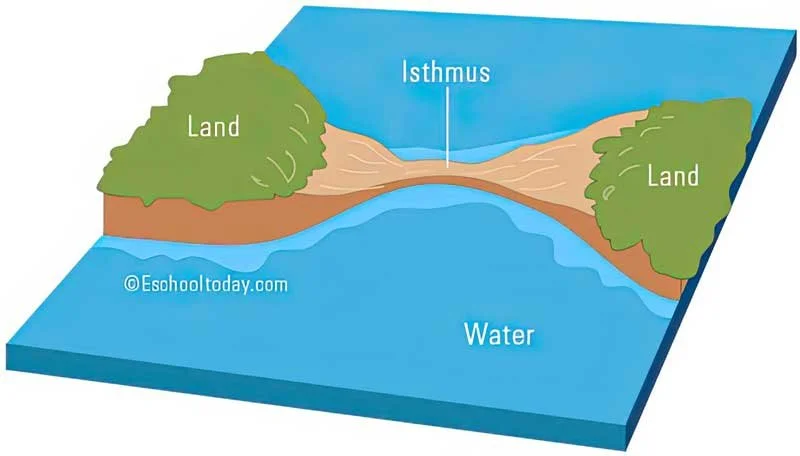
• Isthmus
Maui has a significant tourism industry, with nearly three million visitors a year. A 2023 report based on 2017 data concluded that nearly 40% of Maui County's economy was tourism-related.
Popular tourist destinations include the resorts in the Kāʻanapali, Kapalua, and Kihei/Wailea/Makena areas; Hāna and the Hana Highway; ʻĪao Valley; Haleakalā National Park; and its many beaches.
Etymology
Native Hawaiian tradition gives the origin of the island's name in the legend of Hawaiʻiloa, the navigator credited with discovering the Hawaiian Islands.
According to that tradition, Hawaiʻiloa named the island after his son, who in turn was named for the demigod Māui.
Maui's previous name was ʻIhikapalaumaewa.

Maui Island is also called the "Valley Isle" for the large isthmus connecting its northwestern and southeastern volcanic masses.
Geology
Like all other Hawaiian Islands, Maui was formed from the volcanism associated with the Hawaii hotspot.
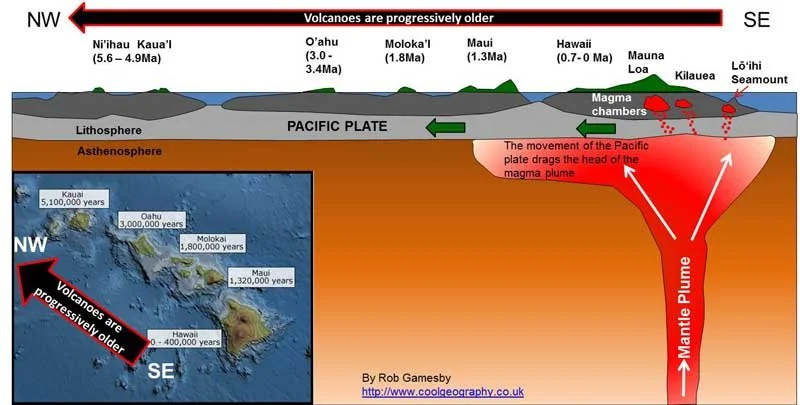
• The Hawaiian islands were created by a hot spot.
The islands' volcanic cones are formed from basalt, a dark, iron-rich/silica-poor rock, which poured out of thousands of vents as fluid lava over millions of years.
Some of its volcanoes were close enough to each other that lava flows on their flanks overlapped, merging into a single island.
Maui is one such "volcanic doublet," formed from two shield volcanoes that overlapped to form Maui.
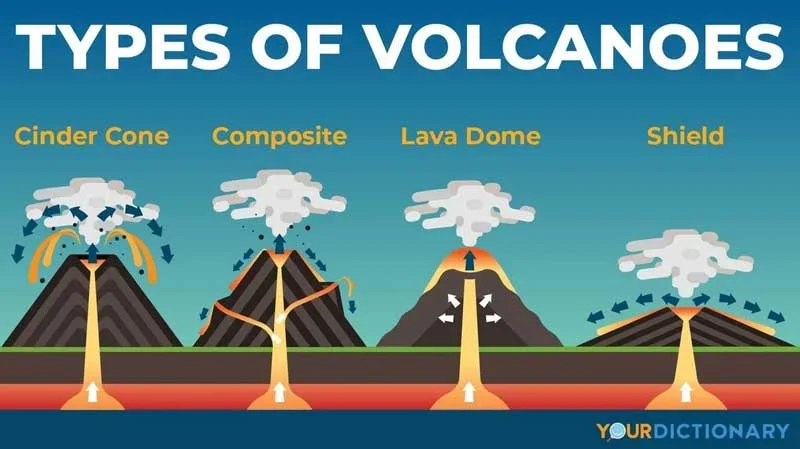
• See SHIELD volcano on the far right.
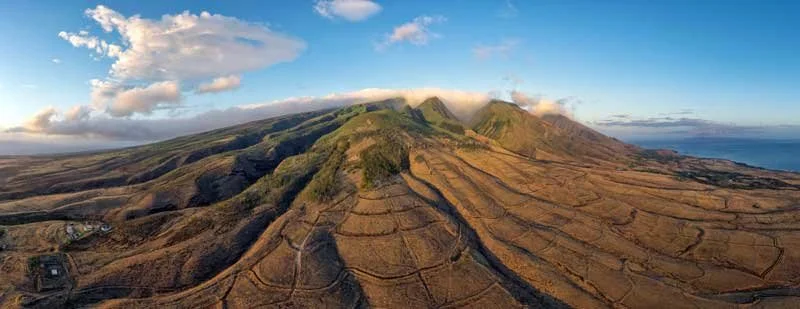
The older, western volcano has eroded considerably, forming the peaks of the West Maui Mountains (in Hawaiian, Mauna Kahalawai).
Puʻu Kukui is the highest, at 5,788 ft (1,764 m).
• Puʻu Kukui
The larger, younger volcano to the east, Haleakalā, rises to 10,023 ft (3,055 m) above sea level, and measures 5 mi (8 km) from seafloor to summit.
The eastern flanks of both volcanoes are cut by deeply incised valleys and steep-sided ravines that run downslope to the rocky, windswept shoreline.
The isthmus was formed by sandy erosional deposits.
• Remember what an isthmus is?
Maui's last eruption (originating in Haleakalā's Southwest Rift Zone) likely occurred between 1480 and 1600.
The resulting lava flows are located at Cape Kīnaʻu between ʻĀhihi Bay and La Perouse Bay.
Haleakalā is dormant, but not extinct.
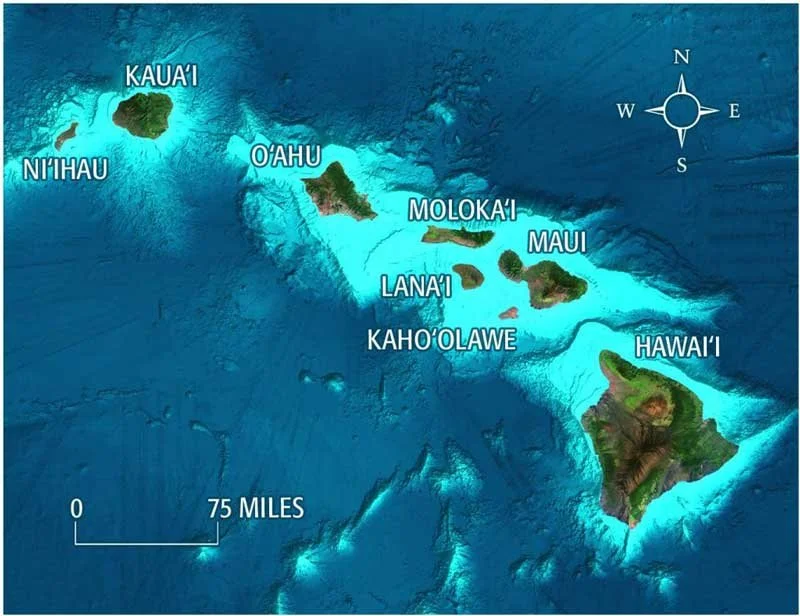
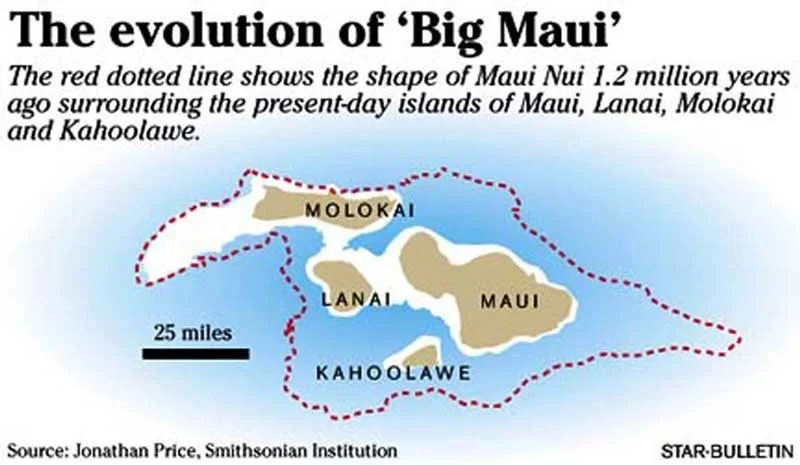
Maui is part of a much larger unit, Maui Nui, that includes the islands of Lānaʻi, Kahoʻolawe, Molokaʻi, and the now submerged Penguin Bank.
• “Big Maui” = Maui Nui
During periods of reduced sea level, including as recently as 200,000 years ago, the channels between them become exposed and join the island into a single landmass.
Climate
Maui has a range of climatic conditions and weather patterns:
Half of the land is within 5 mi (8 km) of the coast, creating a strong marine influence.
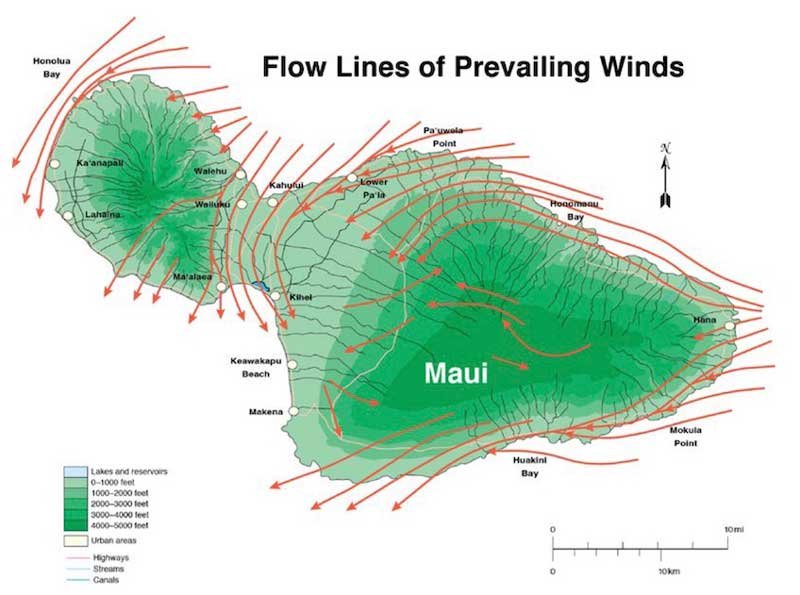
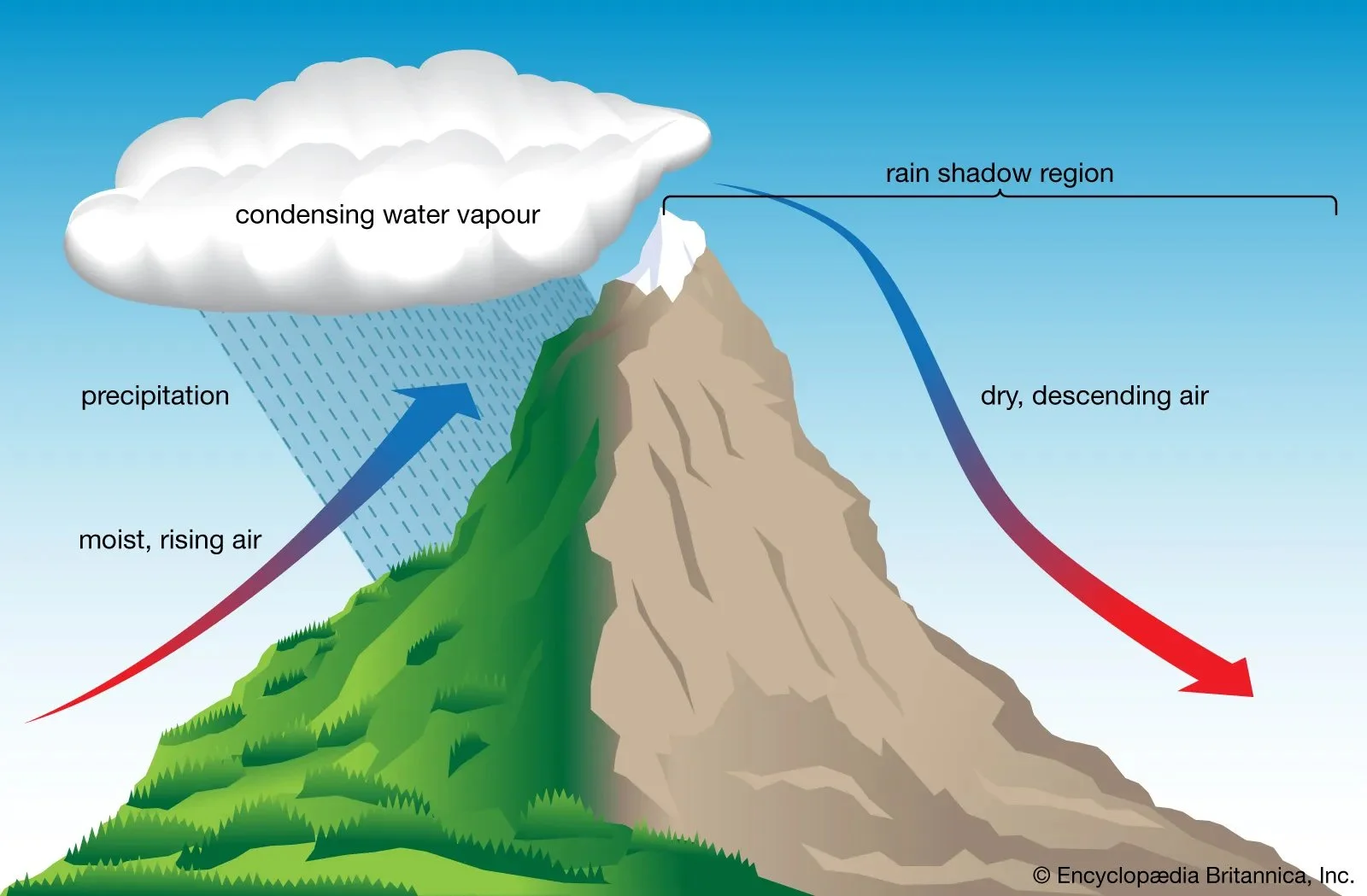
Macro weather patterns are typically determined by elevation and orientation towards the trade winds (the prevailing air flow from the northeast).
• Maui winds
Maui's rugged, irregular topography drives variations in conditions.
Air swept inland on the trade winds is redirected by the mountains, valleys, and vast open slopes.
This three-dimensional flow of air produces variations in wind speed, cloud formation, and rainfall.
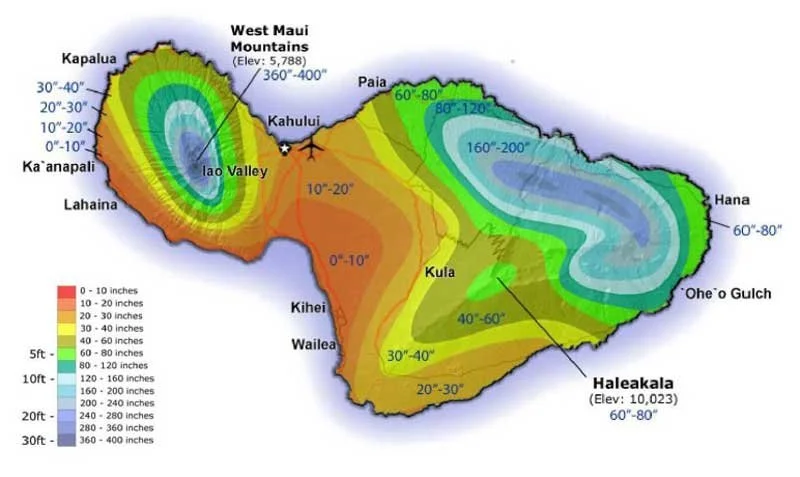
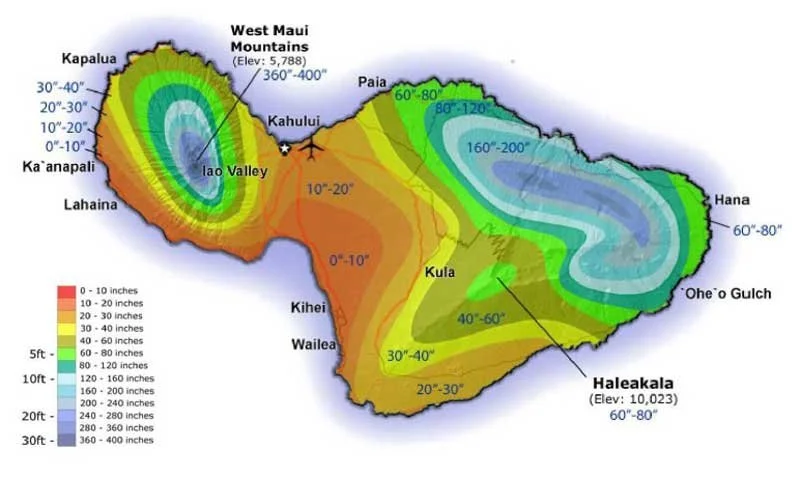
• Maui rainfall
Maui displays diverse climatic conditions, each of which is specific to a sub-region.
These sub-regions are defined by the mountains and valleys, also by location on the windward or leeward side.
Maui's daytime temperatures average between 75 °F (24 °C) and 90 °F (32 °C) year round, while evening temperatures are about 15 °F (8.3 °C) cooler in the more humid windward areas, about 18 °F (10 °C) cooler in the drier leeward areas, and cooler still in higher elevations.
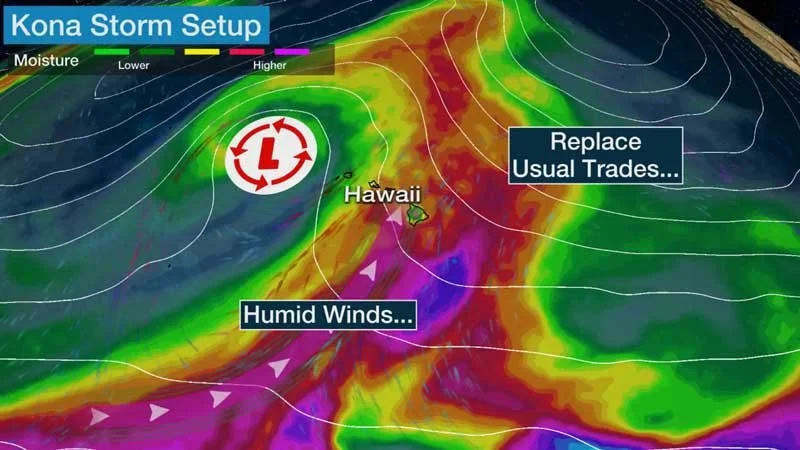
An exception to the normal pattern is the occasional winter Kona storm that brings rainfall to the South and West areas accompanied by high southwesterly winds.
This is the opposite of the prevailing trade wind direction.
Microclimates
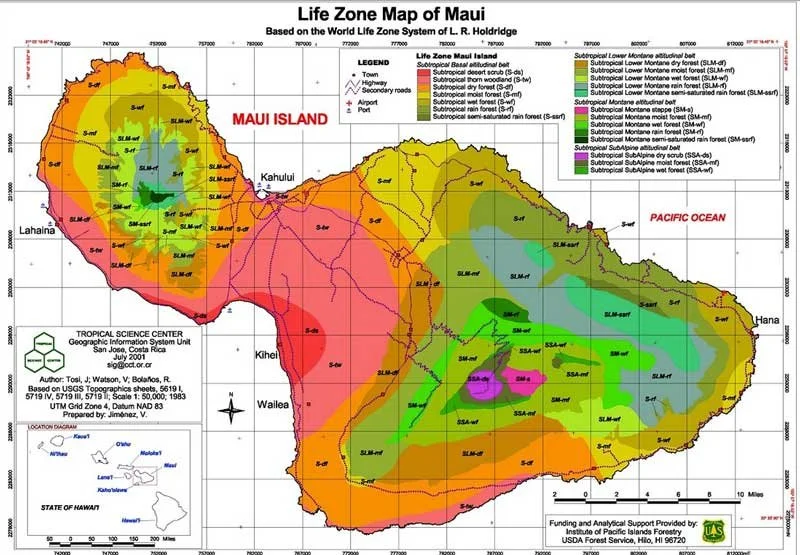
Maui has many microclimates.
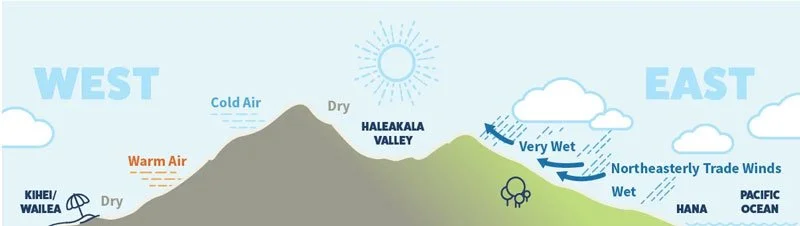
These include: Windward Lowlands, Leeward Lowlands, Interior Lowlands, Leeward Mountain Slopes, High Mountains, Central Maui, Kahului, South Maui, West Maui, the North Shore, and Upcountry Maui.
What is a microclimate?
A microclimate is the climate of a small area that differs from the climate of the surrounding area.
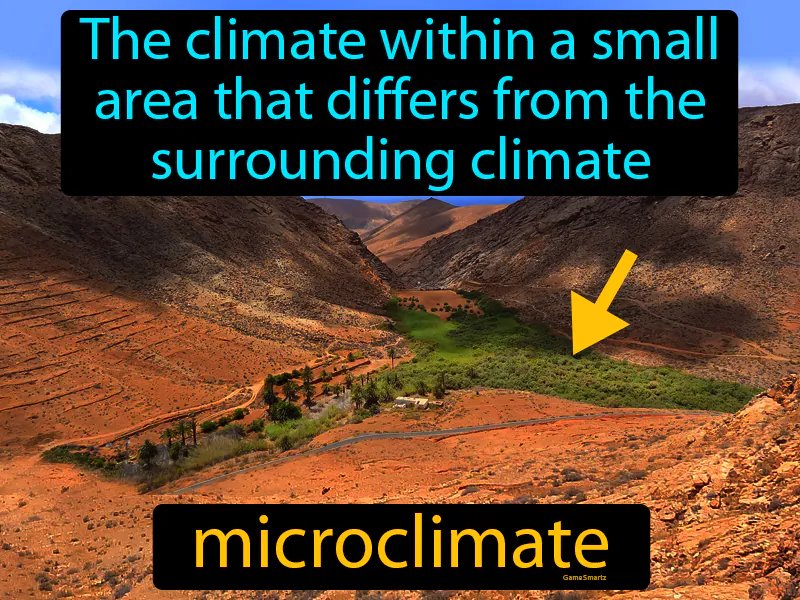
Local climates can vary greatly based on such factors as elevation, moisture, wind, soil, and vegetation.
Nearby areas of forest, crops, and bare soil, for example, have climatic differences that can be described as microclimates.
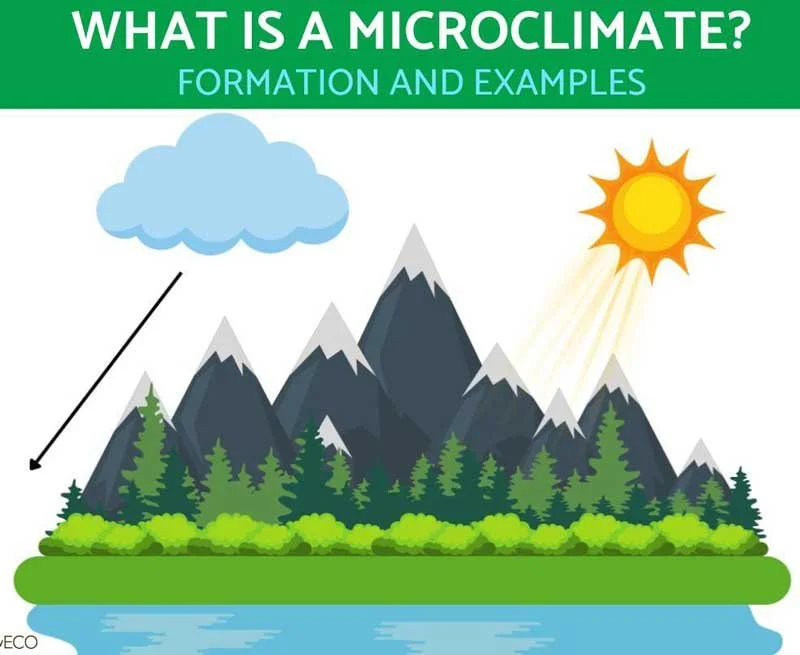
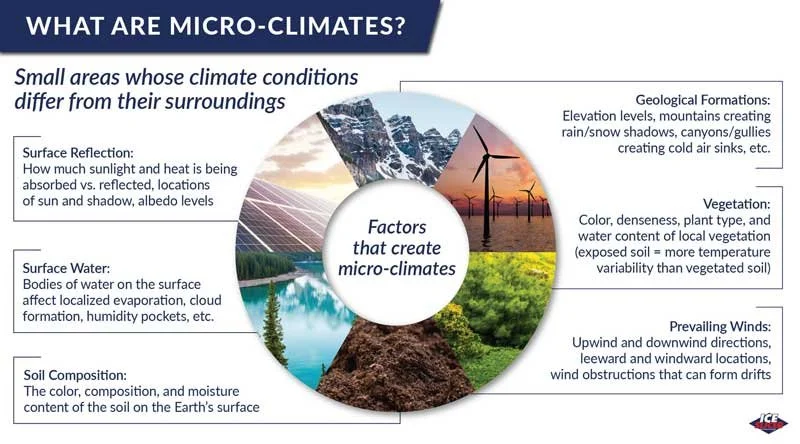
Microclimates can also occur at various levels of a forest canopy, at different depths in the soil, on different sides of a building, and so on.
Vegetation is integral to the microclimate.
Plants control the level of water vapor in the air.
Also, vegetation can insulate the soil below and reduce variations in temperature.

Microclimates are necessary to support the great variety of life on Earth.
Any single species of plant or animal can tolerate only a limited range of climate.
Many different microclimates provide a total environment in which many plant and animal species of flora and fauna can live and interact.

► COMPREHENSION QUESTIONS
— please answer with complete sentences
Maui is dominated by what two volcanic features?
What it an isthmus?
You may need to Google: isthmus definition kids.
Who was the navigator credited with discovering Maui?
Hint: What is the navigatorʻs name?
What was Maui called before it was called Maui?
How was Maui created?
When did Haleakala last erupt?
Might it erupt again?
Maui is part of “Maui Nui.”
What are the other parts of Maui Mui?
Name five or more of Maui’s microclimates.
What is a microclimate?
How do microclimates support the great variety of life on Earth?
ABCD (Above & Beyond the Call of Duty) — the only way to get to 50/50 (A+); you may need the points if you’ve dropped points above.
Look again at the Maui rainfall maps below.
Describe where rainfall is the highest and where it is the lowest.
How can rainfall vary so much, between 10 inches of rain each year and 400 inches?
Dr. Kirtland Peterson Cat Peterson Dr. Cat
Dr. Kirtland Peterson Cat Peterson Dr. Cat