
WHY THE METRIC SYSTEM MATTERS



• READ •
WHY THE METRIC SYSTEM MATTERS
The Great Space Mistake & the French Revolution
Imagine you are a scientist at NASA. You have spent years building a high-tech robotic spacecraft designed to study the planet Mars. It cost $200 million to build. Everyone is excited as it approaches the Red Planet, ready to send back amazing new information.

But then, disaster strikes. Instead of orbiting the planet, the spacecraft crashes into the surface and is destroyed.
Believe it or not, this happened.
The crash was caused by a simple math mistake.
One team of engineers used U.S. customary units—like feet and pounds—while another team used the metric system. Because the two systems have different ways of measuring, the numbers didn't match up, and the orbiter was lost forever.

You might be wondering, "What does a space crash have to do with history?"
Actually, it has everything to do with a major event called the French Revolution. To understand why we have two different measuring systems today, we have to travel back in time to the late 1700s.
A World of Confusing Measures
For most of human history, measuring things was a total mess.
People didn't have rulers or digital scales. Instead, they used things they could find easily, like the length of a human hand or the weight of a single grain of wheat.
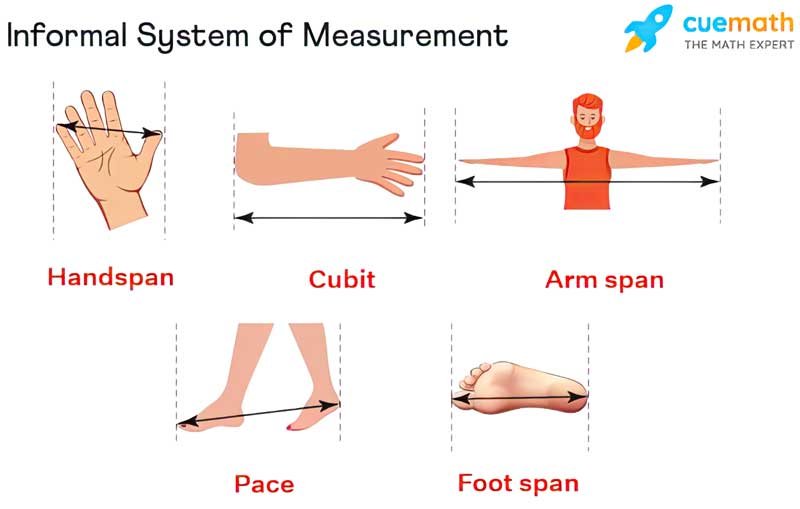
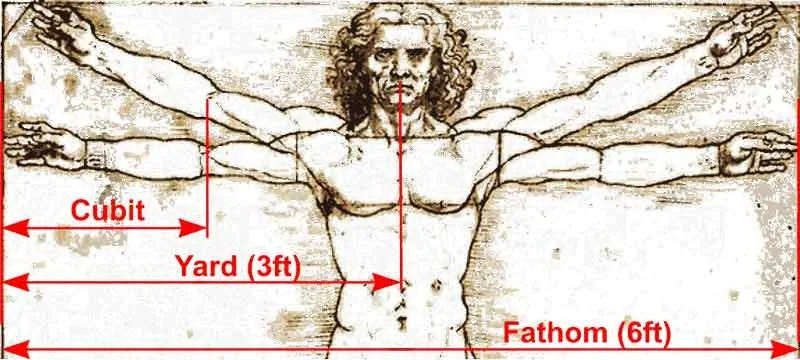
The problem was that these units were not exact. Your hand might be bigger than your neighbor's hand, which made trading very difficult.
Measurements varied wildly from place to place.
To make matters worse, different regions even used completely different number systems. By the late Middle Ages, Europe had mostly switched to the Hindu-Arabic decimal system we use today, leaving behind old Roman numerals and fractions.
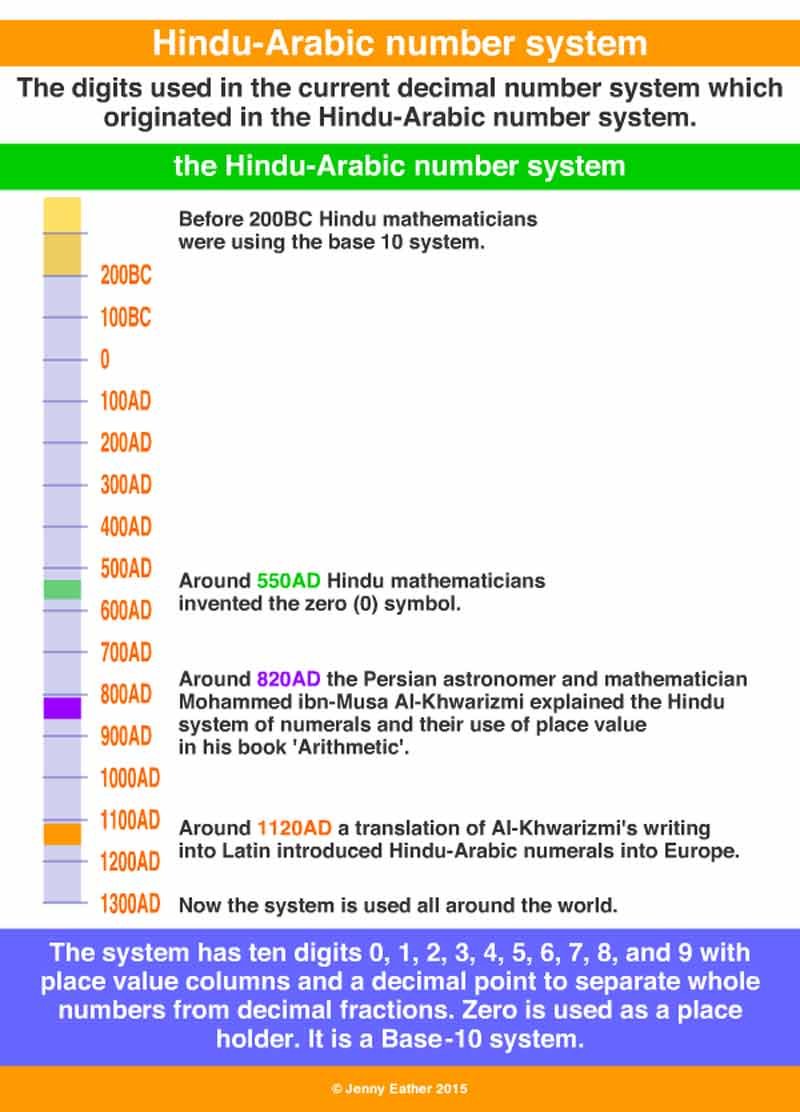
However, the measurements themselves were still a disaster. Even though smart scholars like John Wilkins tried to promote a standard system based on decimals, they were not successful at first.
In France alone, there were a staggering 250,000 different units of measurement! Imagine trying to bake a cake if every recipe book used a different size for a "cup."
Changing such a huge, messy system would require a massive disruption to daily life.
The Revolution Brings Change
That disruption finally arrived in 1789 with the French Revolution.
The leaders of the revolution did not just want to get rid of the King and the monarchy. They wanted to completely transform their entire society. They were inspired by the Enlightenment, a time when people focused on science, reason, and rational thinking.

When the new government took control, the Academy of Sciences convened to fix the measuring mess. They decided to throw out the old standards that were based on local traditions or the arbitrary authority of kings. Instead, they wanted measurements based on nature and math.
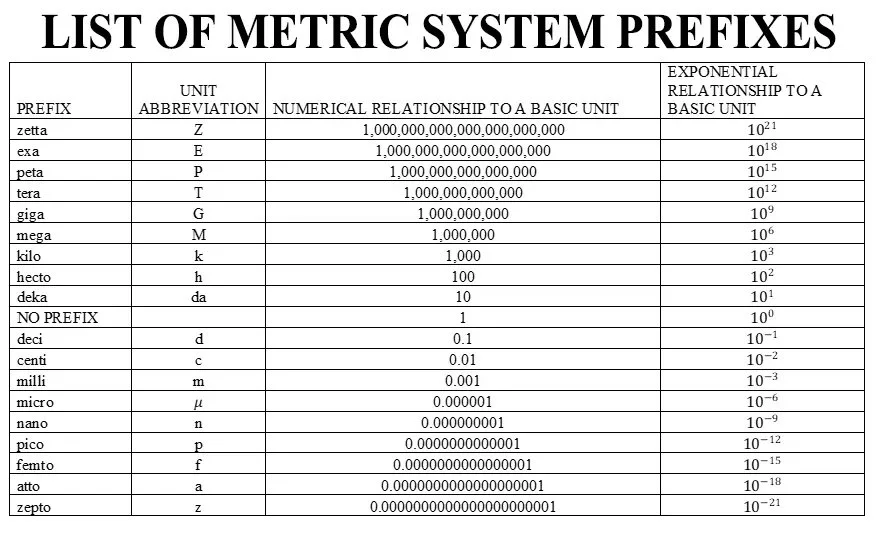
They created a new unit called the "meter," which comes from the Greek word for measure. To make it scientific, they defined the meter as exactly 1/10,000,000 of the distance from the Earth's Equator to the North Pole.
A famous man named the Marquis de Condorcet said this new system was "For all people, for all time."
Politics and Power
Standardizing measurements wasn't just about math; it was also about fairness and politics.
In the old days, rich nobles could manipulate local units to cheat common people.
For example, they might use a smaller basket to measure the grain you sold them, but a bigger basket when you had to pay them rent. With the metric system, a meter was the same size for everyone, which meant the government could collect taxes more efficiently and fairly.
The revolutionaries even tried to change time!
They introduced a new "Republican Calendar" that had ten-day weeks. This was partly a political move to reduce the power of the church by eliminating Sundays.

• 10 day week!
However, switching to this new system was not easy. In fact, it was chaotic.
At first, people were confused and used the new units right alongside the old ones. The ten-day week was so unpopular that the Republican Calendar was eventually abandoned.
When the famous general Napoléon Bonaparte took power, he realized people were struggling. He allowed small businesses to use their traditional measurements, but he redefined them using metric terms.
While the common people used their old names for weights, the metric system remained the standard for formal government use.
Spreading Around the Globe
Napoléon built a huge empire, and as his borders expanded, the metric system spread across the continent of Europe. Napoléon’s empire only lasted for eight years, but its legacy endured for much longer.
Many nations realized that having a standard system was incredibly valuable, especially for international trade.
Portugal and the Netherlands were smart enough to switch to metric voluntarily. Eventually, other nations followed, and colonial empires spread the system all around the world.
There was one big exception: Great Britain.
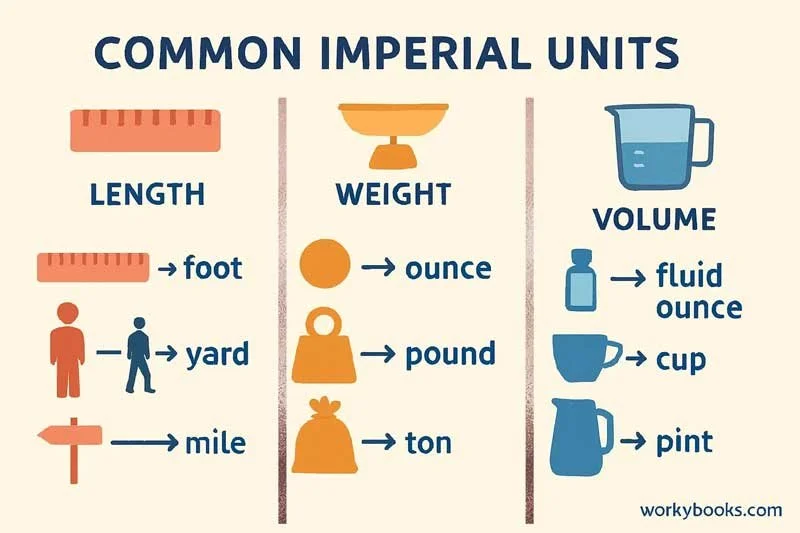
As France's main rival, Britain resisted these revolutionary ideas and kept its traditional units. Over the next two centuries, the British Empire slowly transitioned. They first approved the metric system as an optional alternative before gradually making it official.
The American Holdouts
So, if the whole world was switching, why didn't the United States?
The switch in Britain came too late for the thirteen American colonies. By the time Britain started thinking about metric, the United States had already gained its independence. The U.S. stuck with the English units from its colonial past.
Today, the United States is one of only three countries in the entire world that hasn't fully embraced the metric system.
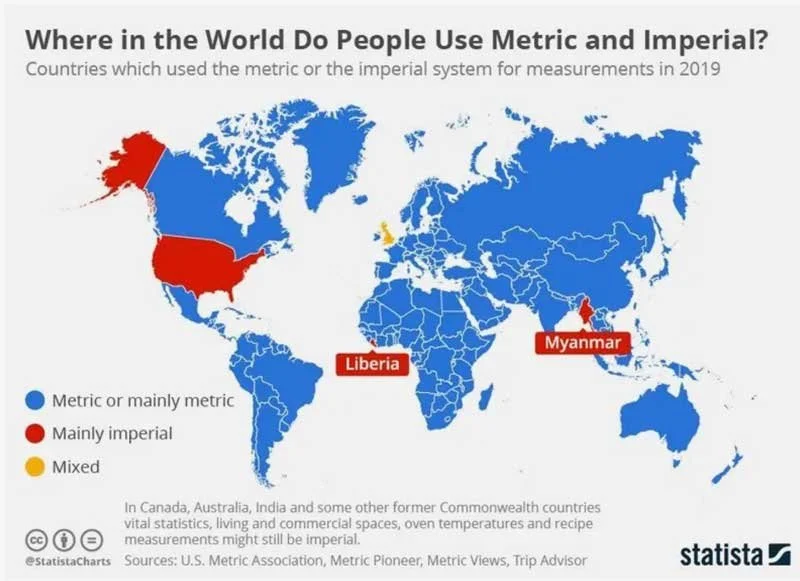
There have been many initiatives to get Americans to switch, but most people still feel that units like feet and pounds are more natural or intuitive.
Ironically, some people even see the metric system—which was once a symbol of freedom and revolution—as a symbol of global conformity.
Science for the Future
Despite this, the metric system is integral to science and medicine everywhere, including in the United States. The system continues to evolve. For a long time, the standard units were defined by physical prototypes, like a metal bar stored in a vault that represented the perfect meter.
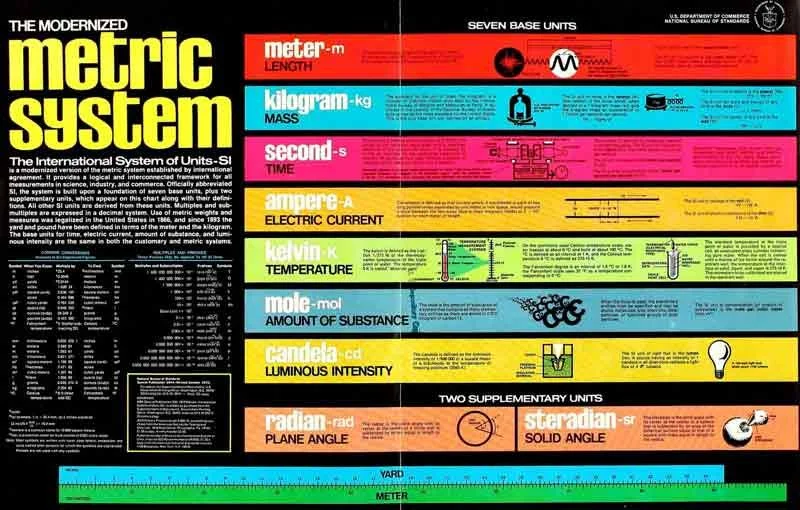
But physical objects can change or get damaged. Thanks to improving technology, we don't rely on those objects anymore. We now use universal constants, like the speed of light, which never changes. This solves the problem of longevity and limited access to the prototypes.
Consistent measurements are such a big part of our lives that we often forget what a major accomplishment they are. Just as the metric system arose from a political revolution long ago, it remains crucial for the scientific revolutions of the future.

Abandoned (v.) – Stopped doing or using something; gave up on something.
Arbitrary (adj.) – Based on a random choice or personal whim, rather than any reason or system.
Conformity (n.) – Behavior that follows the usual standards that are expected by a group or society.
Convened (v.) – Came together or gathered for a meeting or activity.
Disruption (n.) – A disturbance or problem that interrupts an event, activity, or process.
Endured (v.) – Lasted or survived for a long time.
Enlightenment (n.) – A historical period in the 1700s when people emphasized science, reason, and intelligence over tradition.
Equivalence (n.) – The condition of being equal or the same in value, worth, or function.
Initiatives (n.) – New plans, strategies, or actions designed to improve a situation or solve a problem.
Integral (adj.) – Necessary and important for something to be complete; essential.
Legacy (n.) – Something handed down from the past or from an ancestor.
Longevity (n.) – Long life or the ability to last for a long time.
Manipulate (v.) – To control or influence something or someone in a clever or unfair way.
Monarchy (n.) – A form of government with a King or Queen at the head.
Orbiter (n.) – A spacecraft designed to go into orbit around a planet or moon, rather than landing on it.
Prototypes (n.) – The first, original models of something, from which other forms are developed or copied.
Rational (adj.) – Based on clear thought and reason rather than on emotion.
Reverted (v.) – Returned to a previous state, practice, or belief.
Transform (v.) – To make a thorough or dramatic change in the form, appearance, or character of something.

► COMPREHENSION QUESTIONS
— please answer with complete sentences
Why did the Mars Orbiter crash onto the surface instead of going into orbit?
What is a cubit?
Hint: look at the illustrations.
Why is there a problem using a hand span, arm span or foot span for measuring?
In France, how many different ways of measuring were there?
If the American Revolution ended in 1783, how long after that was the French Revolution?
What are the origins of the word “meter”?
How did the metric system spread around the world?
Great Britain did not immediately convert to the metric system, but kept to the Imperial System.
In the Imperial System, what are the common units of measurement for length (3), weight (3), and volume (3)?
In time, Great Britain did adopt the metric system.
Why didn’t the Unites States?
What three countries in the world do not use the metric system?
Hint: look at the illustrations.
A+ BONUS: Most Americans are used to the Imperial System don’t want to switch to the metric system.
Watch the video below.
How might you persuade an American that adopting the metric system might be a very good idea?