
MEXICO


• Read •
MEXICO
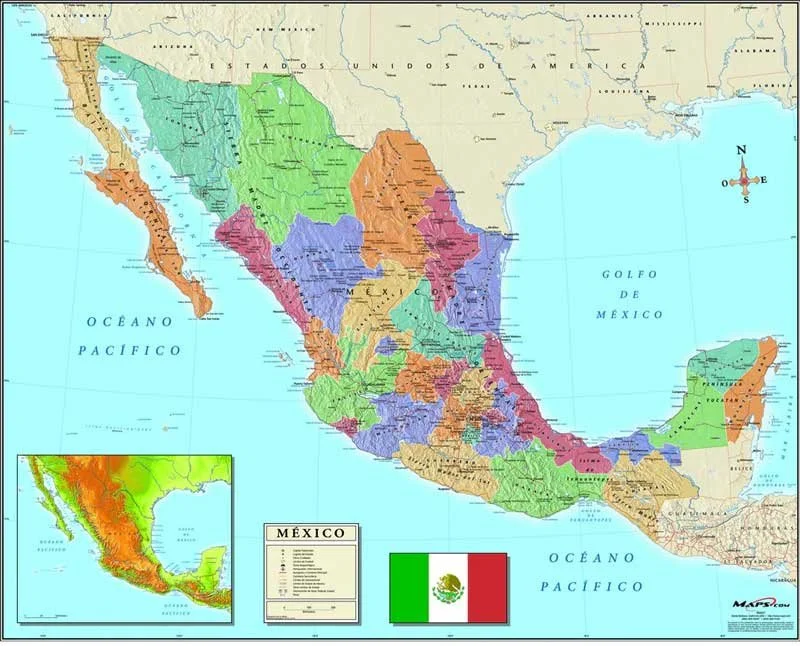
Mexico is officially known as the United Mexican States, or Estados Unidos Mexicanos, and is made up of 32 states.
Geography
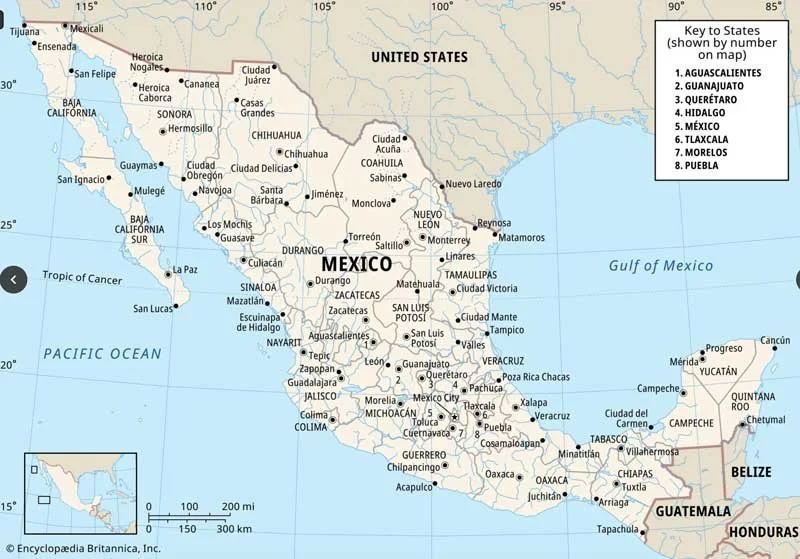
Mexico is in the southern portion of North America, sharing its northern border with the United States and its southeastern border with Central America.
The geography is incredibly varied, ranging from the rugged Sierra Madre mountains to deep tropical jungles and scorching deserts.
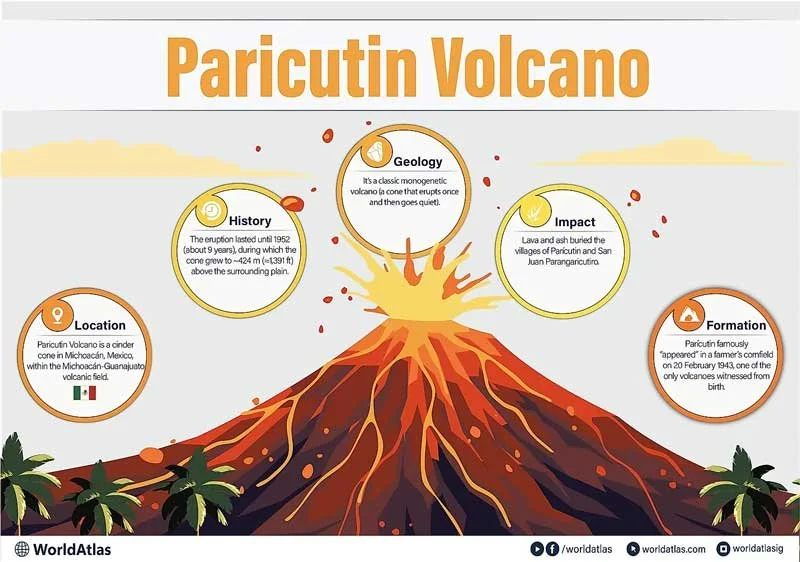
It is also home to several active volcanoes that rise high into the sky, creating a landscape that is as dramatic as it is beautiful.
The Mexican Flag
The flag of Mexico has three stripes—green, white, and red—with the national coat of arms located in the center. Each color holds a special meaning, with green representing hope, white symbolizing purity, and red standing for the blood of the national heroes who fought for the country.
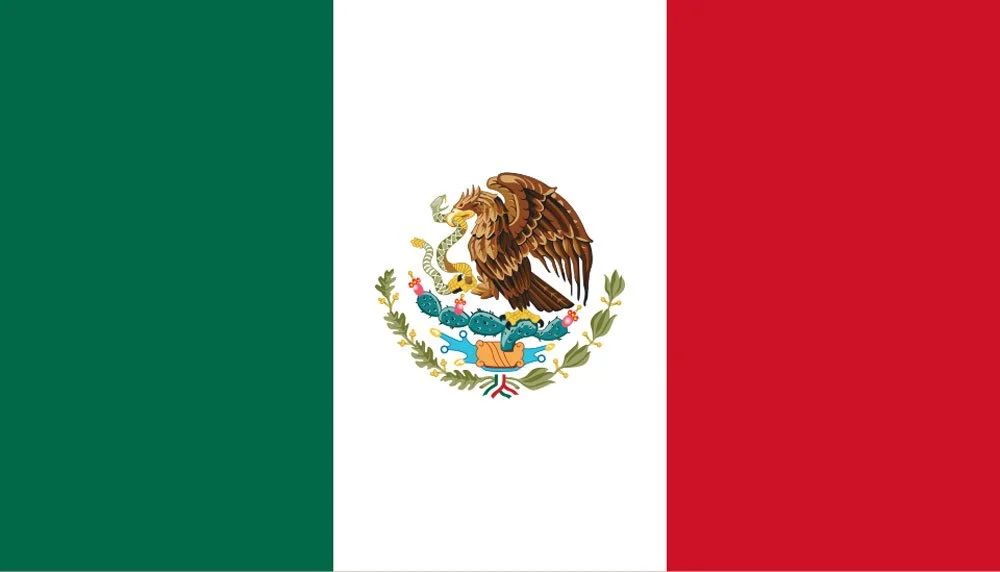
The coat of arms is based on an ancient Aztec symbol for Tenochtitlan, now known as Mexico City.
According to legend, the Aztec people were told by their gods to build their city where they saw an eagle perched on a cactus eating a snake. This powerful image remains a source of pride for the Mexican people today and serves as a reminder of their deep indigenous roots.
Economy
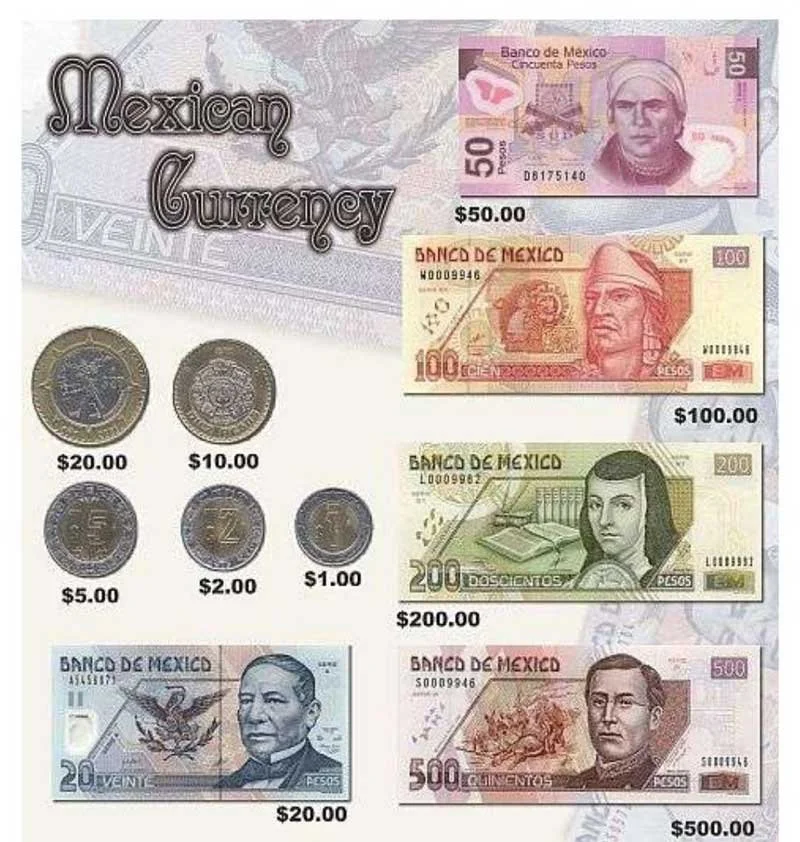
The national currency of Mexico is called the Mexican peso and is the most traded currency of Latin America.
The Mexican People
Mexicans are known worldwide for their warmth, hospitality, and deep-seated love for family and community gatherings.
The population of Mexico is approximately 128 million people, making Mexico the largest Spanish-speaking country in the world.
The capital of Mexico is Mexico City or, in Spanish, Ciudad de México. It is one of the most important political, cultural, educational, and financial centers in North America.
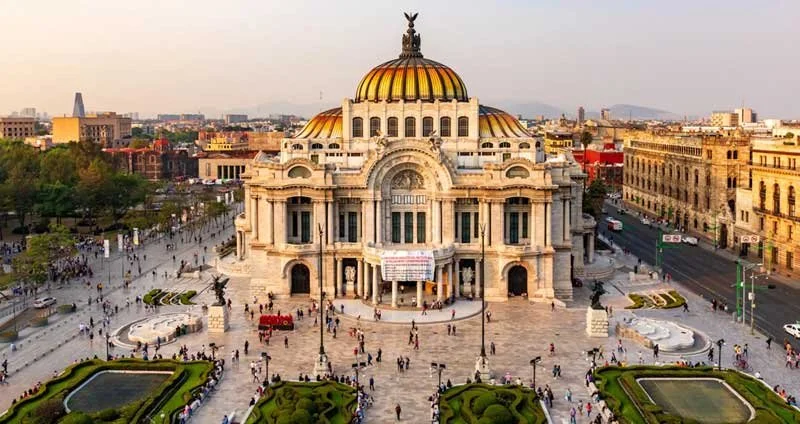
The city was built on the ruins of the ancient Aztec capital, Tenochtitlan, which was originally an island in the middle of a massive lake.
With a population of almost 22 million people, Mexico City is one of the ten largest cities in the world.
National Cuisine
The national dish of Mexico is called mole poblano.
Mole is a savory sauce made from chocolate, chiles, and spices, and is typically served over chicken with a side of rice. The chocolate added to the sauce is what gives mole its rich brown color.
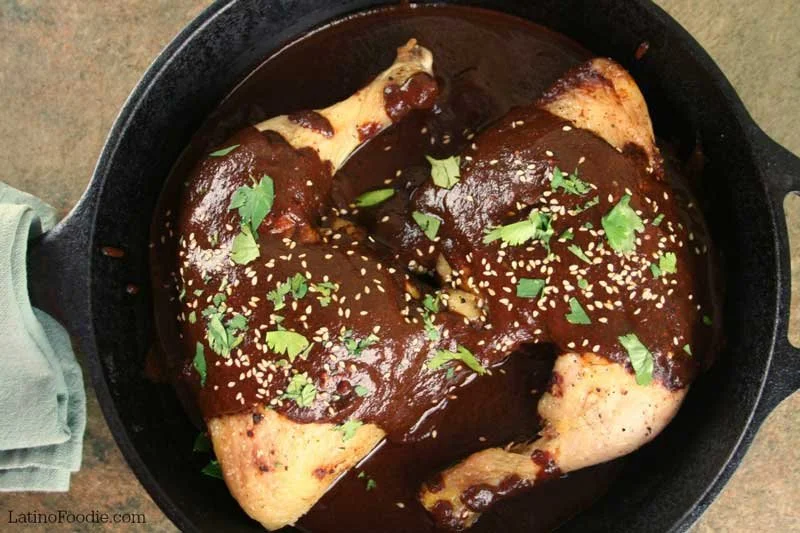
It is important to remember that this chocolate is not the sugary sweet kind found in a candy bar; instead, it provides a deep, earthy flavor that balances the heat of the peppers.
Cooking a traditional mole can take several days because it requires grinding dozens of different ingredients by hand. Families often have their own secret recipes passed down through generations, ensuring that no two moles taste the same.
Beyond mole, Mexican cuisine is incredibly diverse and varies significantly from one state to another.
Mexican food is so unique and culturally significant that it has been recognized by international organizations as a treasure of world heritage.
Six Interesting Facts About Mexico
1.
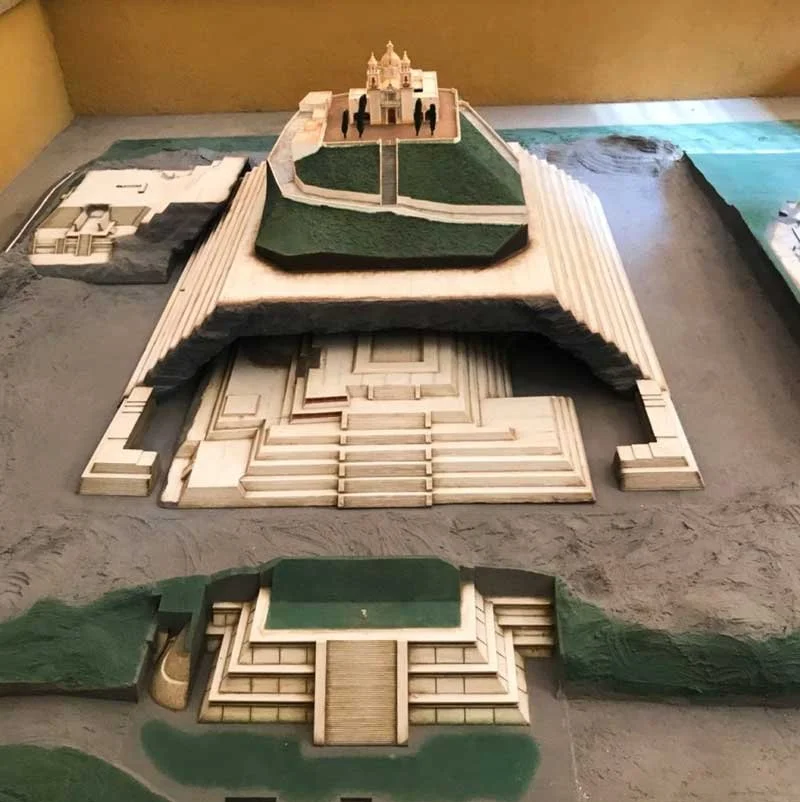
The largest pyramid in the world is found in Mexico.
The Great Pyramid of Cholula, which has a base that covers over 45 acres, is located in Puebla, Mexico. While the pyramids in Egypt are taller, the one in Cholula is much larger in terms of total volume.
2.
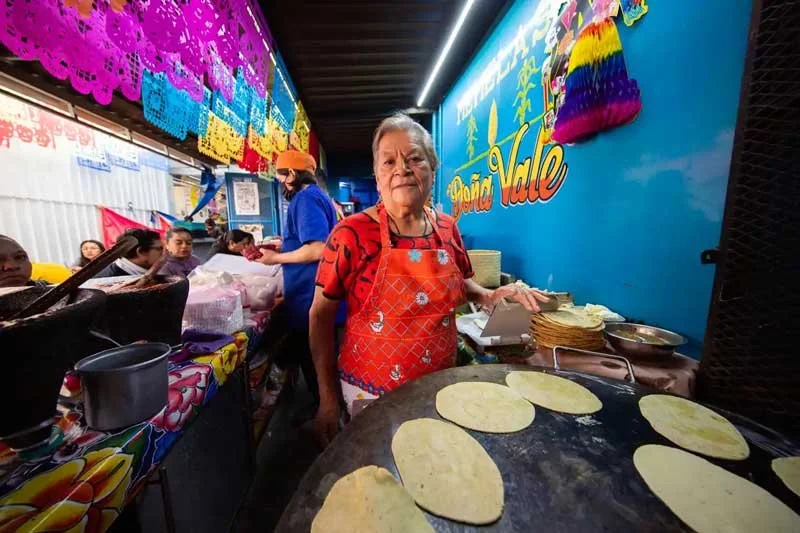
The tortilla is a staple of the modern Mexican diet.
These thin, flat breads are used to wrap everything from beans and cheese to grilled meats and vegetables. The original tortillas were made from corn rather than flour and originated from ancient Mayan and Aztec civilizations.
Today, you can find fresh tortillas being made in local shops called tortillerias, where the smell of toasted corn fills the air every morning.
3.
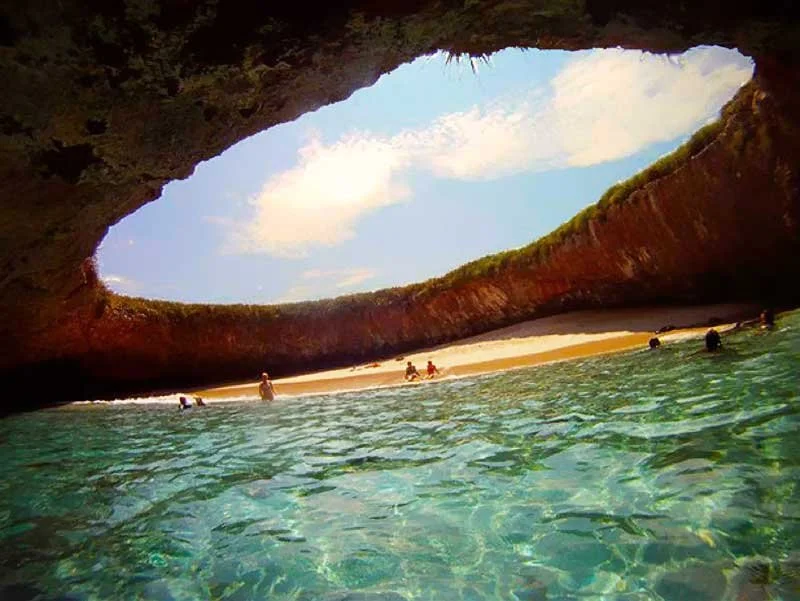
Mexico is famous for its beautiful beaches.
The tourism industry in Mexico is largely driven by its thousands of miles of coastline, providing access to the Pacific Ocean to the west and the warm waters of the Gulf of Mexico to the east.
4.
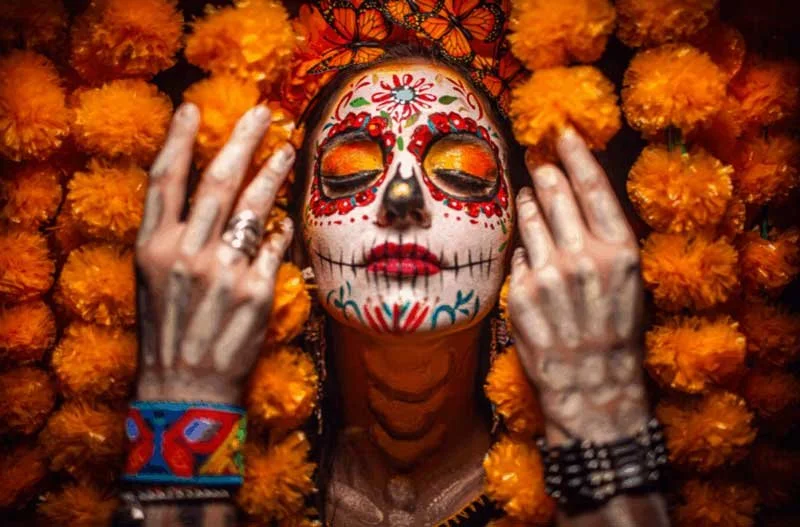
The Day of the Dead, or Día de los Muertos, is a national tradition in Mexico and celebrated on the 1st and 2nd of November every year.
The Day of the Dead celebrates the lives of those who have passed on. Far from being a sad or scary holiday, it is a joyful time filled with music, food, and flowers.
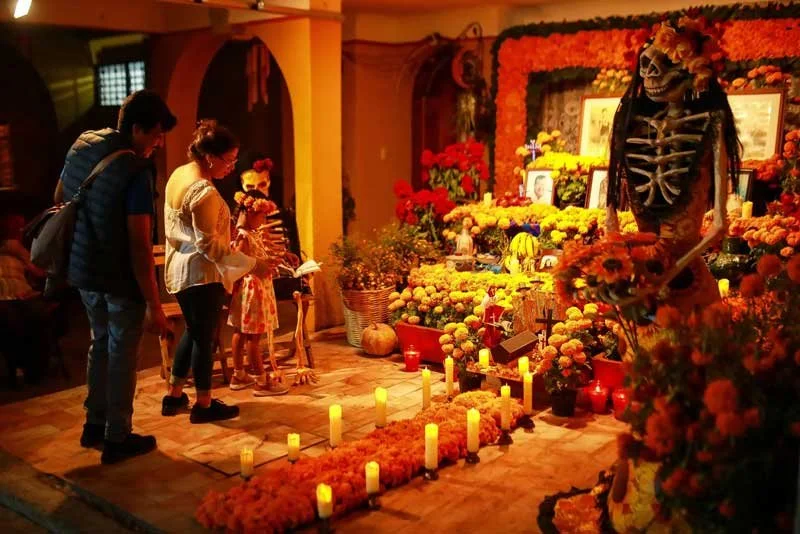
Families create beautiful altars called ofrendas in their homes, decorating them with photos, bright orange marigolds, and the favorite foods of their loved ones.
They believe that during these two days, the spirits of the dead return to visit the living. You will often see sugar skulls and skeleton decorations dressed in fancy clothes, showing that death is simply a natural part of the journey of life.
5.
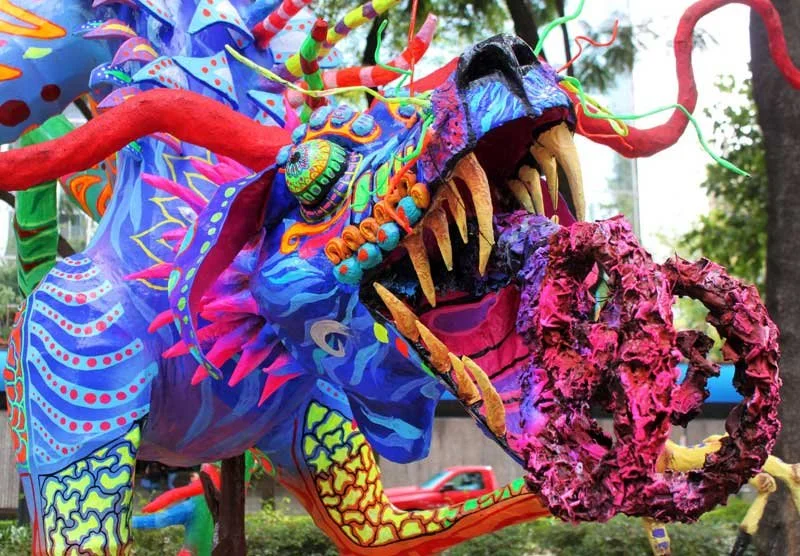
Widely popular Mexican alebrijes are whimsical carvings most often depicting fantastical animals with brightly colored, intricate designs.
These creatures often have the wings of a dragon, the body of a lion, and the tail of a lizard, all blended into one creature.
Alebrijes are typically made of papier-mâché or carved out of wood and are a modern cultural symbol of Mexico. The tradition started with an artist named Pedro Linares, who dreamt of these strange animals while he was sick.
6.
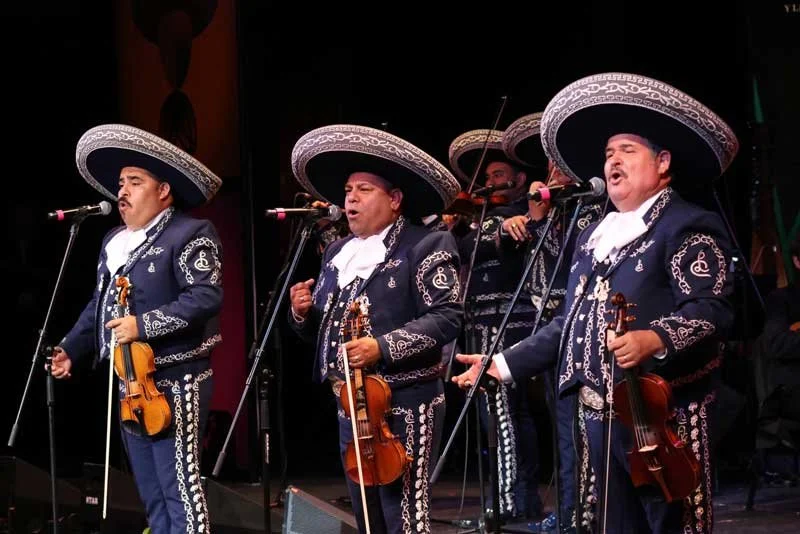
Mariachi music is a uniquely Mexican sound of music and iconic of the country.
A mariachi band is a musical group consisting of four or more musicians that wear matching colorful costumes and sombreros, known as charro suits.
The music usually features instruments like the violin, trumpet, and several types of guitars, including a very large, deep-voiced guitar called a guitarrón. Mariachi music is played at weddings, birthdays, and national holidays, bringing a sense of energy and celebration to any event.
Natural Wonders
Mexico is also a land of incredible natural wonders.
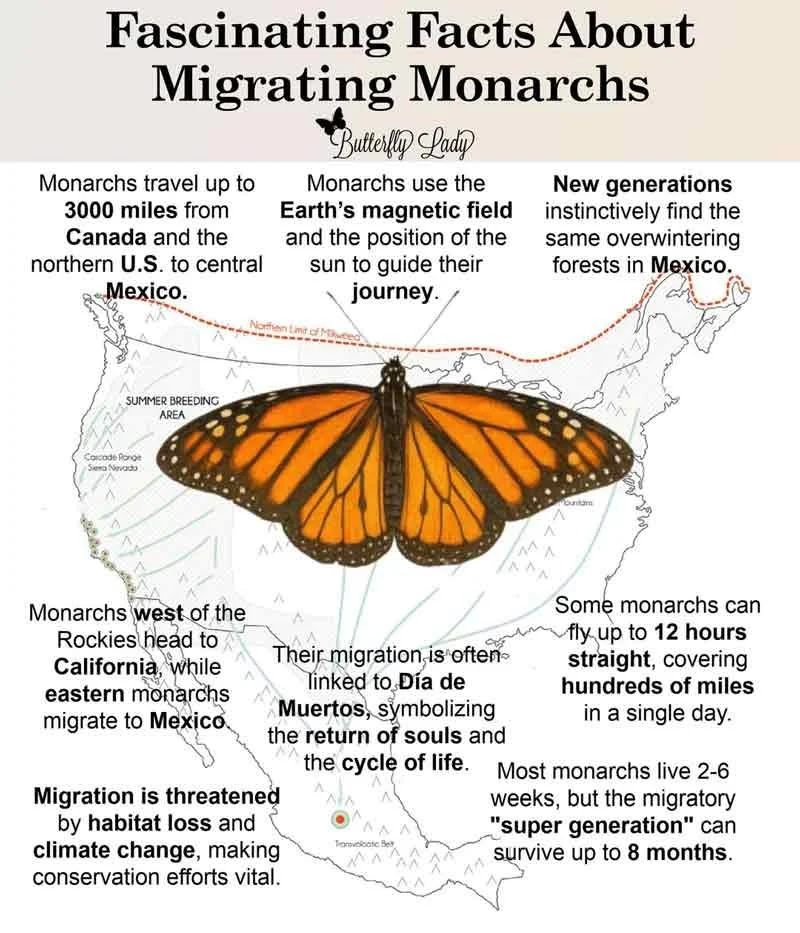
Every year, millions of monarch butterflies complete a migratory journey from Canada and the United States to the forests of central Mexico. They huddle together on the trees in such large numbers that the branches bend under their weight, turning the entire forest into a shimmering sea of orange and black.
Between its ancient history, its vibrant modern cities, and its stunning natural beauty, Mexico remains one of the most fascinating places on the planet.

Approximately (adv.): used to show that something is almost, but not completely, accurate or exact.
Architecture (n.): the art or practice of designing and constructing buildings.
Civilization (n.): the stage of human social development and organization that is considered most advanced.
Coastline (n.): the outline of a coast, especially with regard to its shape and appearance.
Currency (n.): a system of money in general use in a particular country.
Elaborate (adj.): involving many carefully arranged parts or details; complicated in design.
Engineering (n.): the branch of science and technology concerned with the design, building, and use of engines, machines, and structures.
Financial (adj.): relating to money or how money is managed.
Iconic (adj.): widely recognized and well-established as a representative symbol of something.
Independence (n.): the fact or state of being free from outside control or support.
Intricate (adj.): very complicated or detailed.
Migratory (adj.): relating to the seasonal movement of animals from one region to another.
Peninsula (n.): a piece of land almost surrounded by water or projecting out into a body of water.
Savory (adj.): belonging to the category of food that is salty or spicy rather than sweet.
Sovereign (adj.): possessing supreme or ultimate power; acting as a self-governing state.
Staple (n.): a main or important element of something, especially a diet.
Tradition (n.): the transmission of customs or beliefs from generation to generation.

► COMPREHENSION QUESTIONS
— please answer with complete sentences
What is the official name of Mexico?
Explain why this name make sense?
Describe the Mexican flag.
Details!
Look at the illustration of the Mexican currency (i.e., money).
Compare the Mexican currency to the US currency.
What is the name of Mexico City in Spanish?
Be sure to answer with a sentence.
What is mole poblano?
The Great Pyramid of Cholula is not taller than Egyptian pyramids.
How, then, can it be the “biggest pyramid in the world”?
Tell at least three things about tortillas.
What is Día de los Muertos?
Tell at least three things about Mexican alebrijes.
Look at the “Fascinating Thing About Monarch Butterflies” illustration.
Tell about three things (or more) that you may not have already known.
ABCD (Above & Beyond the Call of Duty) — the only way to get to 50/50 (A+); you may need the points if you’ve dropped points above
Watch the 4-minutes-long video below.
Create two new questions (with answers) like the questions above.